
In the world of dance, where movement is a language and physical expression is unlimited, Aiki stands as an important figure. She is an acclaimed choreographer in her native country of South Korea, a mesmerising dancer, and the driving force behind the HOOK crew.
Aiki has carved a distinctive path through her work, and with her fierce energy and unquenchable passion, she has brought her vision to life on the stage and in dance studios. She has choreographed for Jessi, Refund Sisters, Lee Hyori, and Uhm Jung Hwa, and BTS’s #Move4Gen1 dance challenge, to name a few.
But what lies beneath the surface of this charismatic artist? In our exclusive interview, Aiki opens up about her journey, inspirations, challenges, and the beautiful art of dance that flows through her veins.
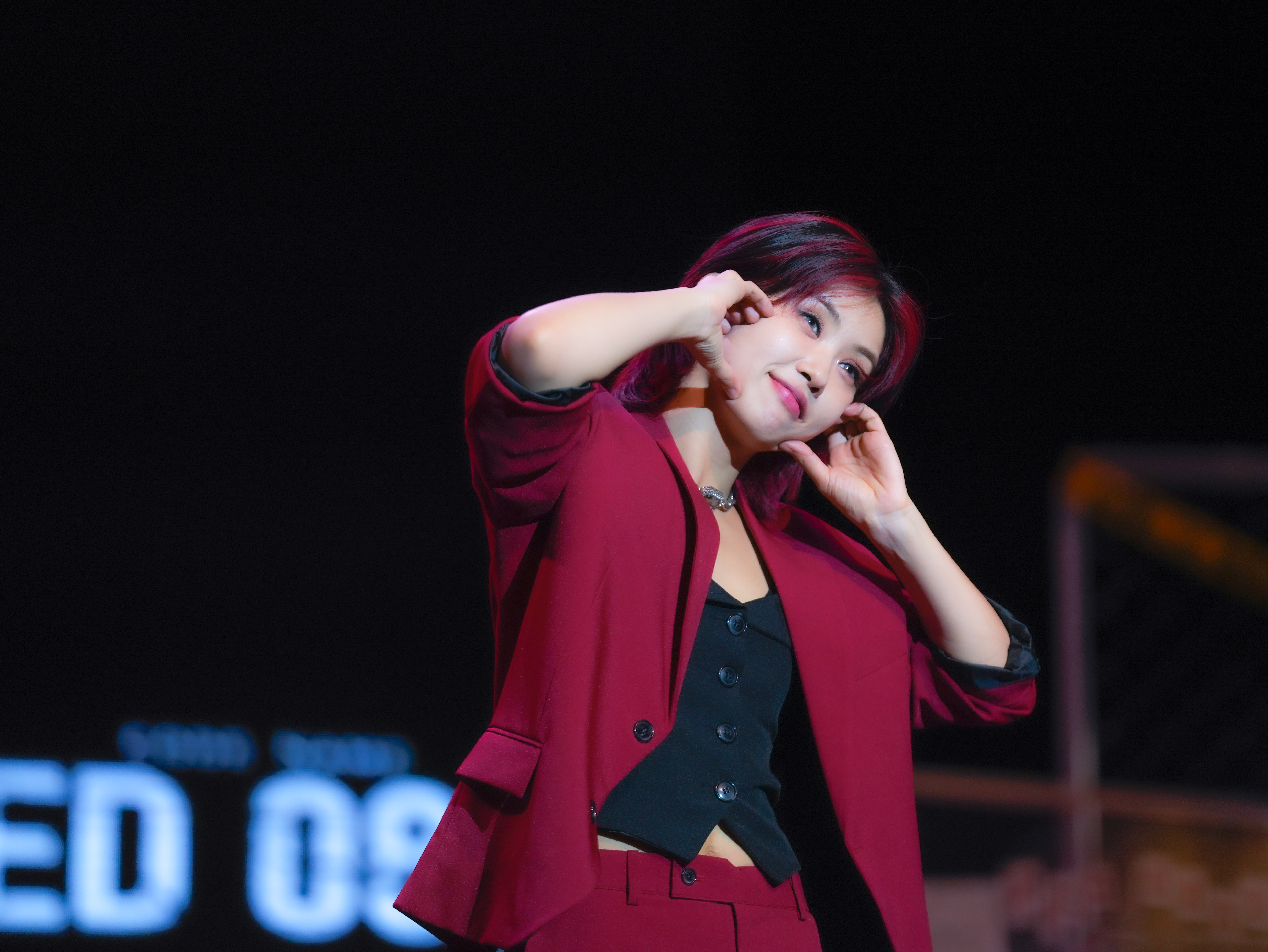
View of the Arts: Aiki, you are a celebrated choreographer, dancer, and leader of the HOOK crew. Did you always want to be a dancer? And what initially drew you to choreography?
Aiki: I first tried dancing when I learned Latin Dancesport in high school. My interest in dancers grew as I learned to dance and experienced diverse genres in addition to Dancesport. Then, I started creating choreography, and I felt a thrill at the sight of the image I was able to portray through music as I choreographed dances with my friends in a dance club at the time. That’s when I started dreaming of becoming a dancer. There are various fields you can be active in as a dancer, and I got to work as a dancer, choreographer, and instructor.
VOA: You have worked with various well-known K-pop artists, including Jessi, Uhm Jung Hwa, Lee Hyori, and Refund Sisters, just to name a few. As a choreographer, how do you tailor your choreography to match different artists’ styles and concepts?
A: I think communication with the artist is the most important thing. Therefore, I tend to talk with an artist a lot before I start working on the choreography. Through that, I’m able to understand how the music came to be and how the artist felt. If I read the message and the image the artist wants to convey through the music and create a dance that fits that music genre, then the choreography can be more distinct. The choreography that I’m most satisfied with is for BIBI Vengeance by BIBI. BIBI showed me, with her own body, what she wanted the choreography to feel like, and we worked together to complete the choreography, which became widely known. I’m really proud of that.
VOA: If the choreography is long and contains a complex routine, how do you manage to remember each move?
A: For me, dance is like a “language”. You could say I read and speak through my body. When you practise reading with your body to the music over and over again, you naturally remember each move and become fluent in it, just like speaking a foreign language.
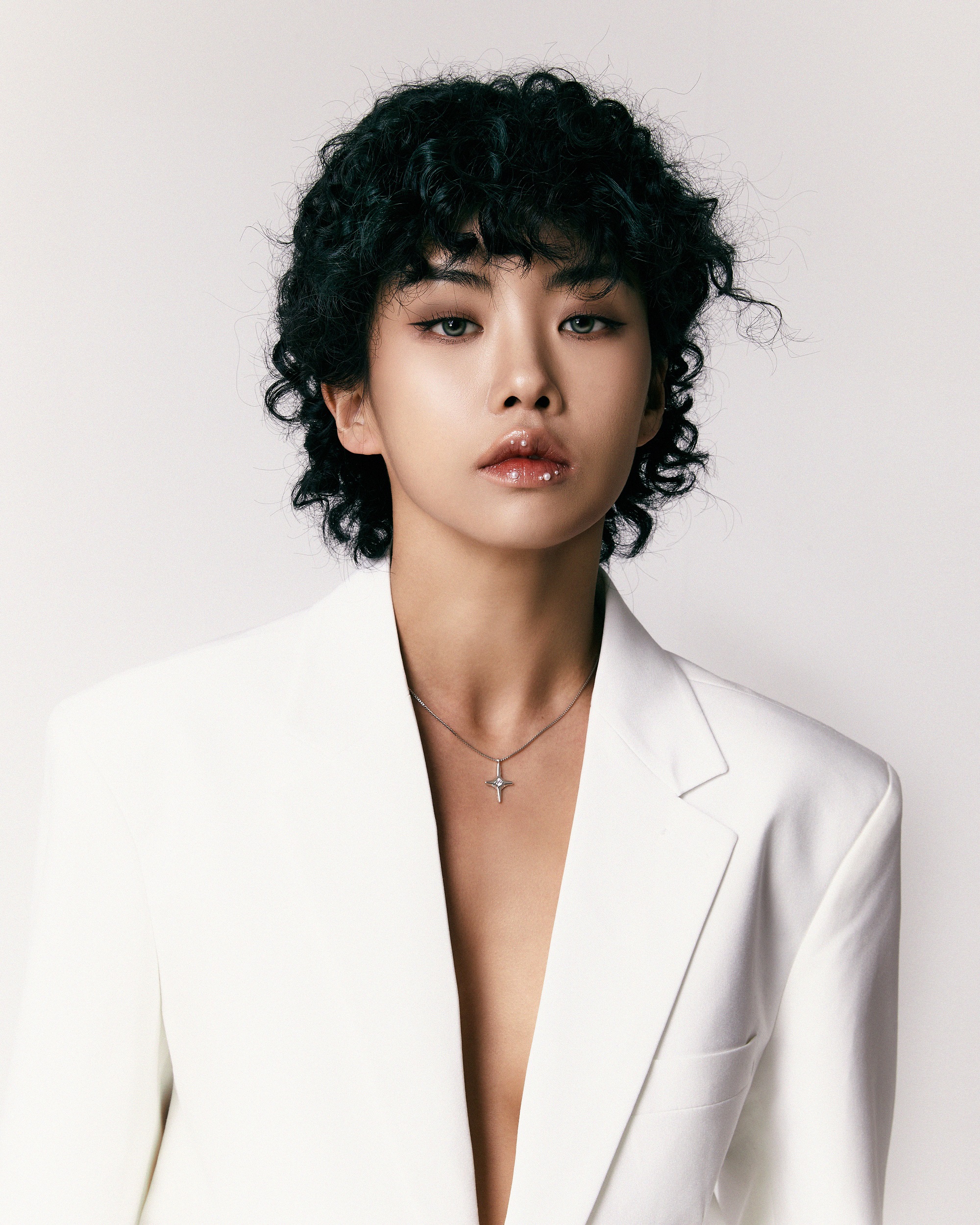
VOA: As a choreographer, how do you balance artistic expression with the technical aspects of dance to create an engaging performance?
A: I do a lot of performances with HOOK, and my crew considers communication with the public to be the most important, so we try not to dwell on artistic or technical aspects. We try to utilise what people are interested in the most so that they can feel closer to the dance and enjoy it. When I’m on stage, I enjoy it the most when the audience responds and dances with me.
VOA: Not long ago, you participated in Mnet’s Street Woman Fighter, how did the show impact your career as a dancer and choreographer?
A: I think the program Street Woman Fighter changed not only my career but also played a key role in making dance more accessible and changing the image [perception] of dancers. It’s become natural for kids to attend a dance school, just like they learn taekwondo as a hobby. Dancers have also been getting more paid work, and the [dancer’s] environment has also improved greatly. It’s been proven through Street Woman Fighter that dancers can be acknowledged as influencers or entertainers, and I think it’s possible for more dancers to be active in diverse fields in the future.
VOA: Could you share some insights into your experience on NBC’s World of Dance and how it contributed to your growth as a dancer?
A: At the time, I was like a tree with no roots in Korea. I got married, and I had a baby, and I was working as a part-time instructor in the neighbourhood, and I think it suddenly occurred to me that I wanted to do something as a dancer. The timing was good as World of Dance came my way, and I registered for it with someone I was dancing with at the time. They did contact me first, but not all applicants were accepted. I used an app to translate emails because of my bad English, and when they sent me a camera to shoot my daily life in Korea, I thought, “Wow! I’m really going”.
I still remember the smell of the air when I first stepped foot in LAX. I got through Round One in one week, and then I came back to Korea and practised. We came first in Round Two, and I was overwhelmed, but I didn’t feel it as much because my English wasn’t that great. After Round Three, I came back to Korea and watched the broadcast, but people in Korea didn’t even know I was on World of Dance. It wasn’t a big issue at the time, so I went back to my daily routine. Looking back now, I think that experience didn’t bear any fruit because I was a tree with no roots. But on a personal level, it was an unforgettable experience.
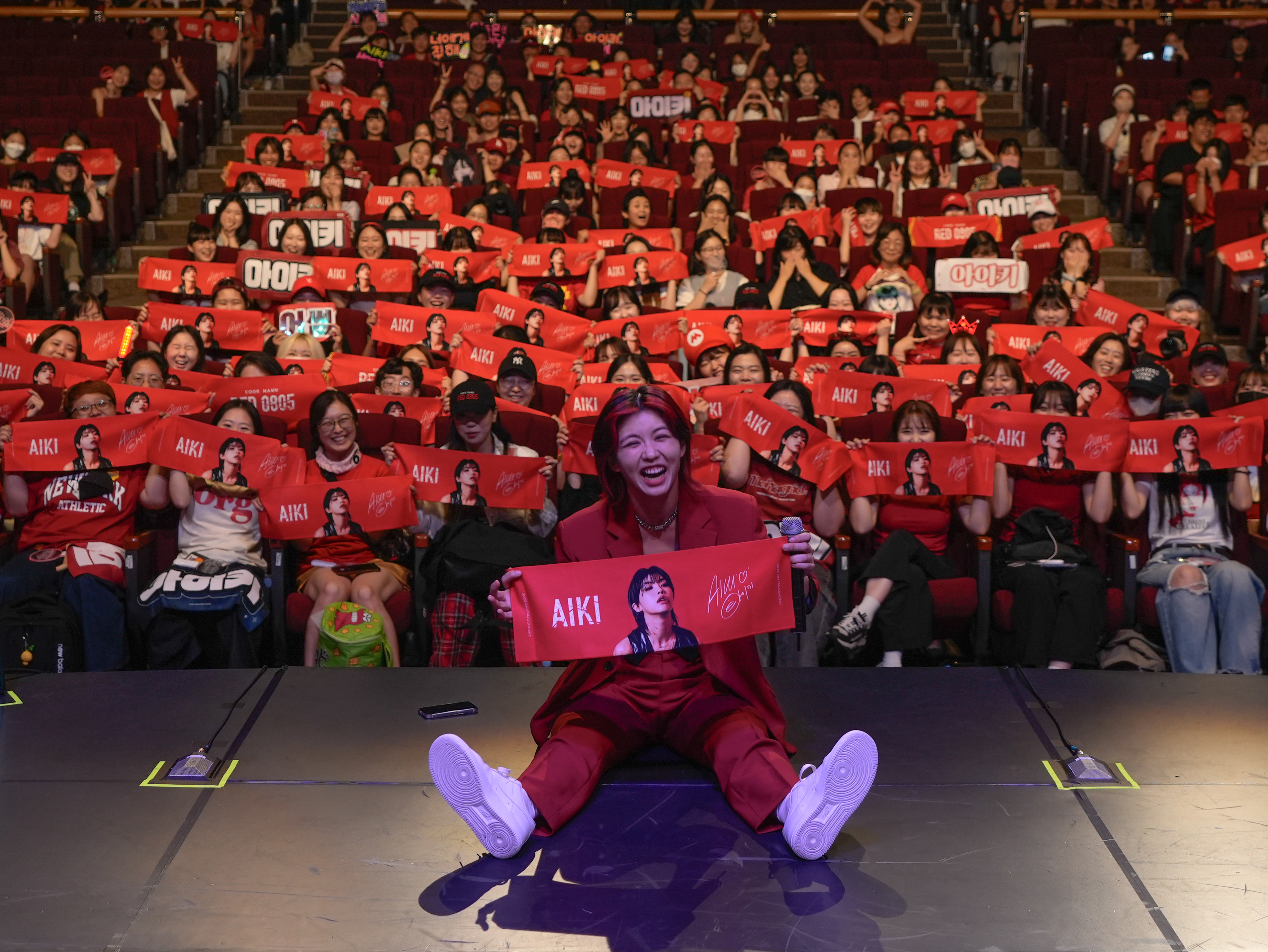
VOA: As a leader of the dance crew HOOK, what challenges and rewards come with leading a team of talented dancers?
A: After Street Woman Fighter, a lot of people said they wanted to join HOOK or asked if we were looking for members, but HOOK was never a planned team. It’s a crew that came together naturally because we were learning to dance together. However, I did set goals for the team since I was the leader of the crew. The first was to make it possible for each member to be fully independent individually, and the second was to make them financially comfortable just from working as dancers. My small dream is to take care of their children when they have families of their own later [Laughs].
VOA: How do you balance your roles as a mother and a successful dancer/choreographer in the demanding entertainment industry? And how has motherhood influenced your approach to dance and creativity?
A: I think I have strong maternal instincts, but I haven’t been able to put them into practice as much. I met Dr. Oh Eun-young [a famous psychiatrist in Korea who is on several TV programmes] in the green room once, and what she said stayed with me: “Make sure they feel enough love, even if it’s just for a short while”. If that’s the case, then I’m doing really well. It’s all possible because I have such a supportive husband. When I’m working, I focus only on work, and when I’m with my kid, I focus only on my kid. When I was filming Street Woman Fighter, the mother in me really came out. I was surrounded by tough women who were older than me in a scary environment, and I was thinking, “Is there anything scarier than the pain of giving birth? This is nothing. I gave birth naturally”. That’s how I comforted myself.
VOA: Choreographing BTS’s #Move4Gen1 dance challenge must have been a thrilling experience. Can you share the creative process behind developing the choreography for such a high-profile project?
A: When I was really into short form, I did so much analysing. What dance moves would people like to mimic? I really worked on that. As a BTS fan, it was such an honour and a great opportunity to choreograph a dance for them. One of the reasons I like them so much is because of their dancing. Every time they release a song, their dance looks fantastic and enjoyable, so I did a lot of covers, and it naturally made me observe their moves closely. I wanted to make moves that would fit them like a glove and capture their forms, so I modified the routine numerous times to complete it with great care. Watching them actually dance made me think, “I’m so glad I danced”, and I was so proud of myself.
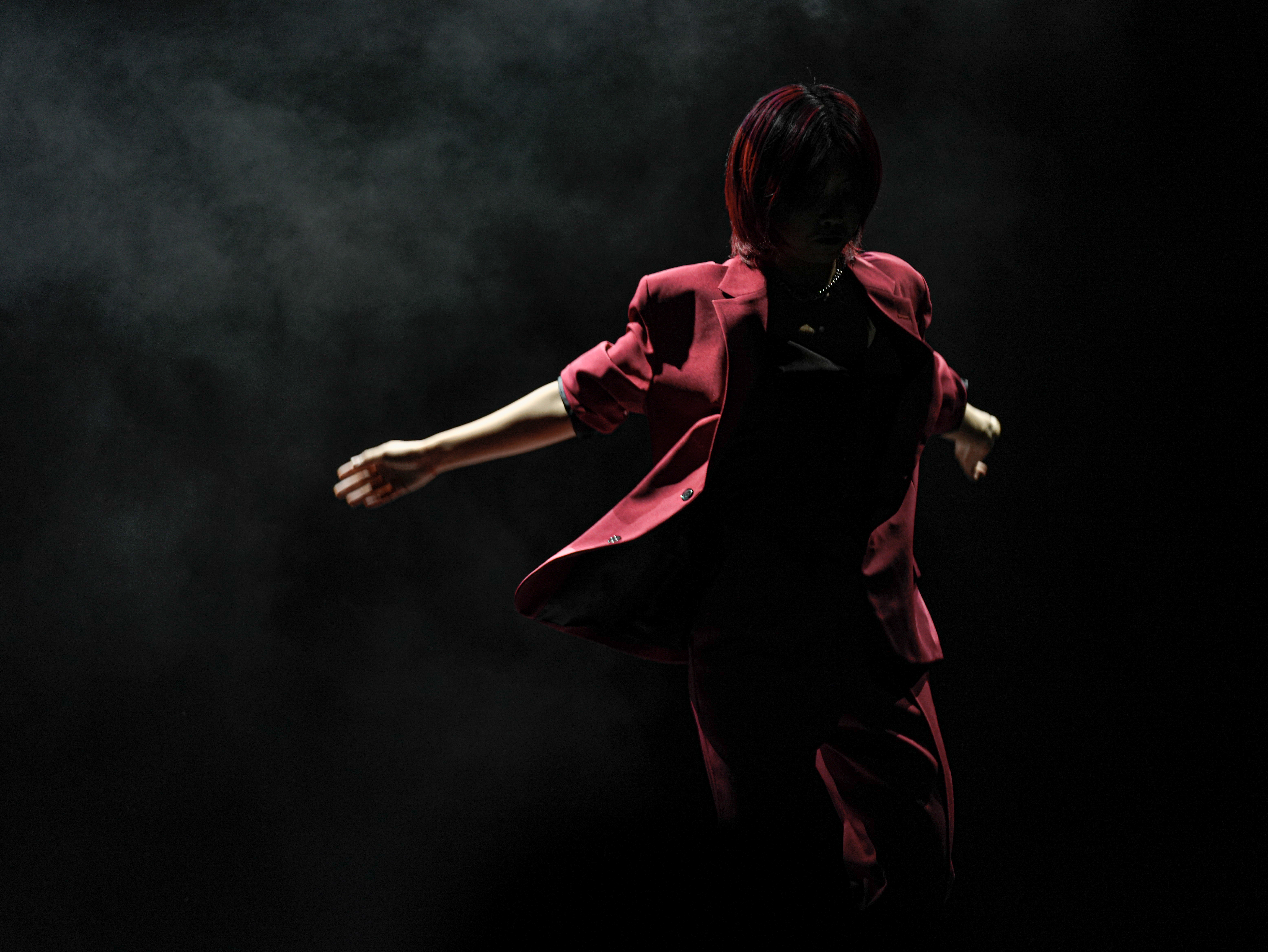
VOA: On August 5th, you had your first fan meeting. How did that go?
A: My first solo fan concert was a really new experience for me. It was a refreshing stimulant and a challenge. I wanted to give my supporters a solo fan concert as a present, and my agency happened to propose a concert. It was definitely a challenge, and I didn’t want it to be predictable, so I put on a performance and enriched it with dance. Consequently, I think it was a success. It was really meaningful to be able to hold a solo fan concert as a dancer, so I’m very proud. I think it will be a great case for many dancers.
VOA: Do you have any specific dance styles or genres that you enjoy choreographing the most? How do you maintain versatility in your work?
A: I enjoy dancing lots of different things without being restricted to a genre. I’ve been looking up songs that I want to add choreography to, and when I come across music that I vibe with, I think that a suitable choreography comes about naturally. Lately, I’ve really been into Cell Block Tango from the soundtrack of the musical Chicago, and I’ve been practising some Latin dance moves too. I also added some tap dance moves, which I’ve been learning recently, and their originality has a charm of its own. Making sounds according to how your feet move is something I want to add to my dance style.
VOA: You are highly active on social media, particularly TikTok and Instagram. How do you use these platforms to connect with your fans and showcase your talent?
A: I communicate with my followers through dance, and that’s how I share my daily life. I especially like funny videos. I think there’s nothing as appealing as people enjoying clips and laughing at them, even if I don’t look so hot. I enjoy creating TikToks and Reels featuring my various aspects, and I feel that my followers enjoy and identify with the content that I make.

VOA: The world of dance changes continuously. I was wondering, how do you manage to stay updated with dance trends and incorporate them into your performances while maintaining your unique style?
A: I always analyse new things. Then, I add my own colours that only I have. Recently, I’ve been contemplating whether it’s right to pursue only uniqueness, and I sometimes feel I want to make comfortable content even if it’s a bit less creative. I think, right now, I want to show a vibe that’s comfortable and easy on the eyes.
VOA: Being a dancer requires great stamina. Do you have any recipe ideas for maintaining fitness and strength?
A: Unfortunately, I don’t really have any unusual recipes. I do have the basic stamina that I was born with. I have almost no minor ailments and have a reasonably good immune system. So, I guess my driving force is my need to fulfil my most basic desires? I think getting good sleep, eating a lot of healthy food, and laughing a lot can help you maintain a healthy life and good stamina. I get tired sometimes, of course, but working also sometimes gives me a different kind of energy.
VOA: How do you see the art of dance yourself?
A: I like things that are direct and clear. I think you can see that in my dance and when I’m on stage.
VOA: When you are not working, what do you do to get away from it all and relax? What’s your favourite thing to do in your spare time?
A: The first thing I do when I get home is turn on Netflix. I look up the latest dramas, new programmes, and films. I try to find inspiration in them and watch them to clear my mind. Recently, I really enjoyed watching Castaway, starring Tom Hanks, and I remember thinking to myself, “Be grateful for a life that tests you. Everything is meaningless if you’re alone in the world”.
VOA: What are your upcoming plans? Are there any new projects you are currently working on?
A: Over time, I have established my roots and borne many fruits. I’m planning to make a project crew to share my experience with new dancers who want to establish themselves like I did. My current crew is HOOK, so I’m about to hit people with UPPER. I hope you’ll keep an eye on UPPER, my new project crew, and show your full support for all the dancers.
Written and interviewed by Maggie Gogler
Translator / Interpreter: Roc Lee
View of the Arts is a British online publication that chiefly deals with films, music, and art, with an emphasis on the Asian entertainment industry. We are hoping our audience will grow with us as we begin to explore new platforms such as K-pop / K-music, and Asian music in general, and continue to dive into the talented and ever-growing scene of film, music, and arts, worldwide.

 VIEW OF THE ARTS