
Lu Dan says she entered the film industry to find an outlet for her emotions, and the Chinese filmmaker’s debut feature certainly feels deeply personal.
The director was born in the northwest Chinese province of Xinjiang, and in The Absent, she returns there to explore notions of family and home. “I like to tell stories about love and growth,” says Lu. “The Absent is my first work. As a debut, it is more of an instinctive creation, filled with my love and longing for my hometown and family. In the future, I hope to maintain this sincere emotion in whatever type of film I make.”
Lu’s The Absent made its world premiere at this year’s 26th Shanghai International Film Festival (SIFF), held each June in the sprawling metropolis that is home to a staggering 26.3 million people. SIFF is an event that prides itself on a connection to cinema dating back to the very foundations of the industry in China in the early 1900s. That’s why those who make the trip to SIFF expect to get a first-hand look at the movies that are creating a buzz in China, meet the people who are working behind the cameras, and hear their stories — as View of the Arts did this year when we sat down to talk with two of China’s emerging filmmaking talents.
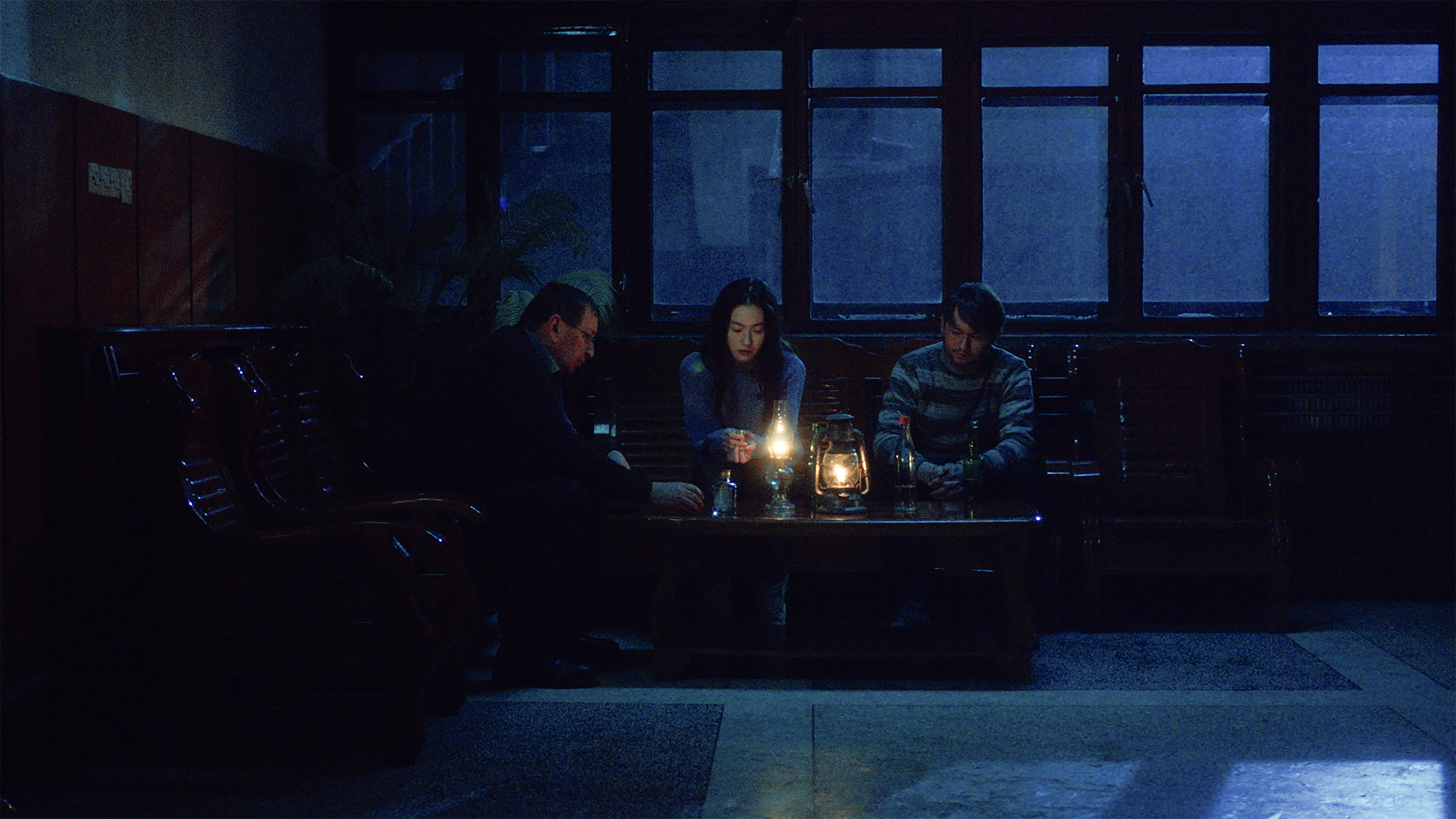
Lu’s The Absent was one of 11 films in the running for this year’s Asian New Talent awards at SIFF. It tells the story of three strangers from three of China’s ethnic communities who find themselves sharing their troubles over one winter of isolation in a remote border town.
“After graduating from university, I worked for several years and intermittently shot documentaries,” explains Lu. “Due to my personality, I usually play the role of a listener and observer in life, often bottling up many words and emotions. In 2018, out of a love for film and a desire to find an outlet for my inner emotions, I began writing scripts. Later, I was fortunate to meet my producer, who also grew up in Xinjiang, as well as the executive producer for my film. They helped me complete my first work, a film about questing and returning.”
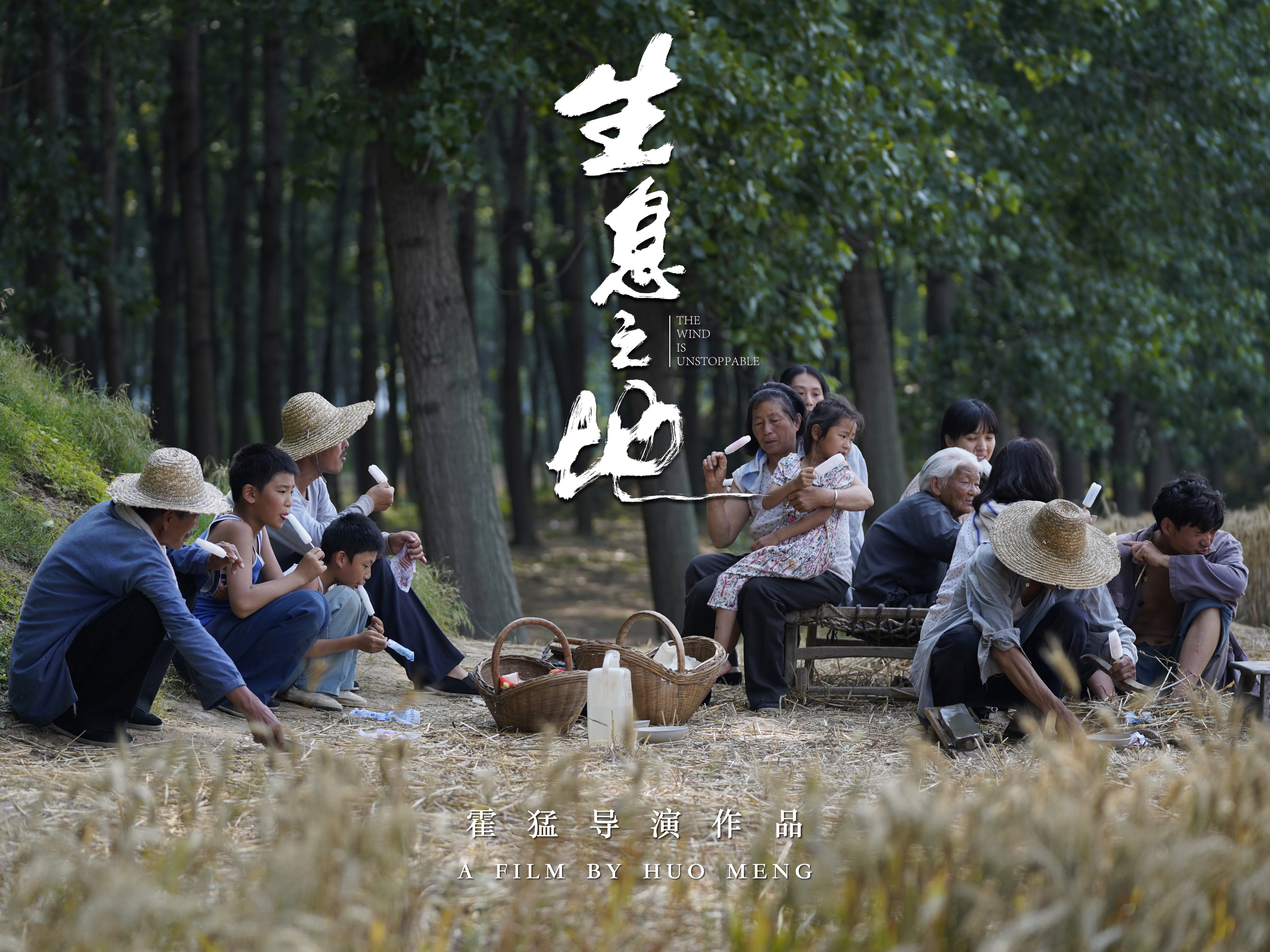
Producer Fan Zhang was also in Shanghai this year, memorably taking to the red carpet on opening night with the cast of her upcoming feature The Wind Is Unstoppable, a group of non-professional actors who are set to star in a highly anticipated production that has picked up a slew of work-in-progress awards over the past 12 months.
The finishing touches are currently being applied to The Wind Is Unstoppable—Fan’s third attempt at producing. Directed by second-timer Huo Meng, it promises an epic sweep of the country as it charts the course of life across four generations of a family in rural China.
On the sidelines of this year’s SIFF, Fan took time to sit down for a chat about how she came to enter the film industry and her life as an independent producer. “I’m such a free soul,” laughs Fan. “I know I have been lucky so far with the three productions I have been involved in because being an independent producer is not easy … but I love it.”
Fan first worked in film when helping put on the DC Chinese Film Festival with school friends in Washington, before learning about producing while working with Cristiano Bortone and the Bridging the Dragon Euro-Asia production initiative. She was happy to share advice for young filmmakers looking to follow in her footsteps—and her words should resonate globally.
“I think a very important thing as an independent producer is that sometimes it is easier for us, as a younger generation, to create a closer bond with young, talented directors,” says Fan. “We can be independent together and form a team with a shared purpose. It’s easier for us to create this common ground, and that helps us work together. That’s what I really love.”
Lu, meanwhile, was taught her craft by the acclaimed Tibetan filmmaker Pema Tseden, who sadly passed away last year at the age of 53. Pema Tseden’s first film, The Silent Holy Stones, won SIFF’s Asian New Talent award for Best Director, and Lu said The Absent felt “like a tribute to him.”
“Filming for the first time was like feeling my way across a river by stepping on stones,” she says. “I took many wrong turns but also learned a lot. First, with the script, you shouldn’t be afraid to show it to professionals and friends. Listen to their suggestions while maintaining your judgment.
“Writing the script is the least costly and most controllable stage, so make sure you have complete confidence before starting to film. Second, don’t be afraid of limitations, whether it’s budget or other factors, because sometimes restrictions can lead to unexpected gains.”
Written and interviewed by Mathew Scott
Featured image courtesy of SIFF
View of the Arts is an online publication that chiefly deals with films, music, and art, with an emphasis on the Asian entertainment industry. We are hoping our audience will grow with us as we begin to explore new platforms such as K-pop / K-music, and Asian music in general, and continue to dive into the talented and ever-growing scene of film, music, and arts, worldwide.

 VIEW OF THE ARTS