
From Korean dramas to Japanese Pop, Asian Pop culture has served as the blueprint for attracting international fans, and Thailand too has enjoyed a recent resurgence. This is in part thanks to TV shows depicting ‘boys love’ as well as other T-dramas with emotionally charged narratives.
Much like K-pop and the Hallyu wave, music in Thailand has also become something of a phenomenon. T-pop has seen plenty of emerging artists; however, it’s not often seen that a young group comes around that is not only talented but also wise for their age while radiating playful personalities.
Meet DVI, a sextet consisting of Frank, Cheetah, Tang, Samui, Auau, and Por. Their name, DVI, stands for Dreamvolution, a combination of the words ‘Dream’ and ‘Evolution’. During our conversation, it became evident that these two phrases were significant in showing their creativity through playing with various genres.

Since their debut, which took place amongst the crowds of OCTOPOP in 2022, they have gone on to achieve great things. After debuting with the energetic Pop number Sugar, their next single, Second Chance, showed a different direction; with its fun mood and catchy melody, the song also highlighted their talent for rapping. After intense preparation, the group is back with its brand-new single, Close(d) Friend, an emotionally moving R&B track.
Collaborating with Thailand’s renowned producer, Amp Achariya, known for her work on famous soundtracks such as Cutie Pie 2 You, the new release could have easily been featured in a TV drama. It’s a track that has you feeling their heartbreak – an experience most can relate to, vivid in both the vocals and rap parts.
Apart from down-to-earth music, there is another aspect to this group that makes us question a few things. While chatting with DVI, they discussed the importance of how butterflies represent them as individuals, including their personalities. An interesting choice of insect. It makes sense; butterflies are seen as delicate and colourful, blooming from a caterpillar in their cocoon, emerging stronger and more beautiful.
Something that could easily define DVI is that, since their debut, they’ve shown their determination and dedication to make it big in a short period of time. Apart from the aforementioned topics, we also discussed their career goals and how they wish to convey themselves as friends to their listeners by sharing personal stories to help them feel less alone.

View of the Arts: Your band name, DVI, stands for Dreamvolution, deriving from the words ‘Dream’ and ‘Evolution’. The meaning is very interesting; it’s about overcoming obstacles and pursuing your dreams. How do you all stay determined, and for you as a group, what is the biggest dream for DVI?
TANG: For me, I believe that pursuing this dream brings us happiness, and we truly enjoy doing it. The energy we receive from the audience empowers us to practice diligently, and it motivates us to create new works and shows for everyone to see.
SAMUI: Being surrounded by music, doing what we love, and simply listening to our favourite songs already make us determined to create music that we love for everyone to listen to.
POR: For us, DVI, just being at events, performing on stage, meeting our fans, and having people appreciate our work gives us motivation and the drive to move forward.
FRANK: Another thing is the desire for recognition for our work. It makes us want to prove to ourselves that the path we’ve taken has fans who see its value.
AUAU: The ultimate dream would probably be to have our own concert, go on international tours, and have fans worldwide.
VOA: You were introduced to the crowds at the OCTOPOP 2022 concert, where you debuted and performed Sugar. How did it feel to finally debut and receive the reaction you did?
CHEETAH: There was a mix of happiness, excitement, and nervousness. We didn’t know if everyone would like it. We were uncertain about how the performance would turn out. But after we received the positive feedback, it boosted our confidence and relieved our anxiety. It was a great moment in our lives to have the opportunity to perform at the Rajamangala National Stadium. It felt like we were closer to achieving our life goals.
AUAU: Before this, watching others on stage made me want to stand up there too. When it actually happened, everything felt like a dream, and I was extremely happy.
POR: I remember everything happening so fast. Once it was done, I felt so relieved [laughs]. I was so happy because the feedback was very positive. Fans on social media were surprised; they didn’t expect to see us on stage. Reading those comments, it felt heartwarming that everyone was giving us encouragement.
VOA: After Sugar, you released your next single, Second Chance. Both tracks contrast with one another, with Sugar being more of an energetic Pop number. Can you tell us what kind of character or identity you want listeners to perceive from DVI? What genre would you like to try out in the future?
SAMUI: I want us to try every genre to find the right music style that suits and fits our group.
CHEETAH: I want to try something new, be creative, think outside the box, and do something we’ve never done before. I don’t want to limit ourselves. I want to explore what will be best for us.
FRANK: I think our characters are like a group of friends who are fun; we’re natural and easy to approach.
TANG: Yes, that’s right. We want everyone to remember DVI as a group of friends who go everywhere together, sharing our stories in pursuit of our dreams and being an inspiration to others.
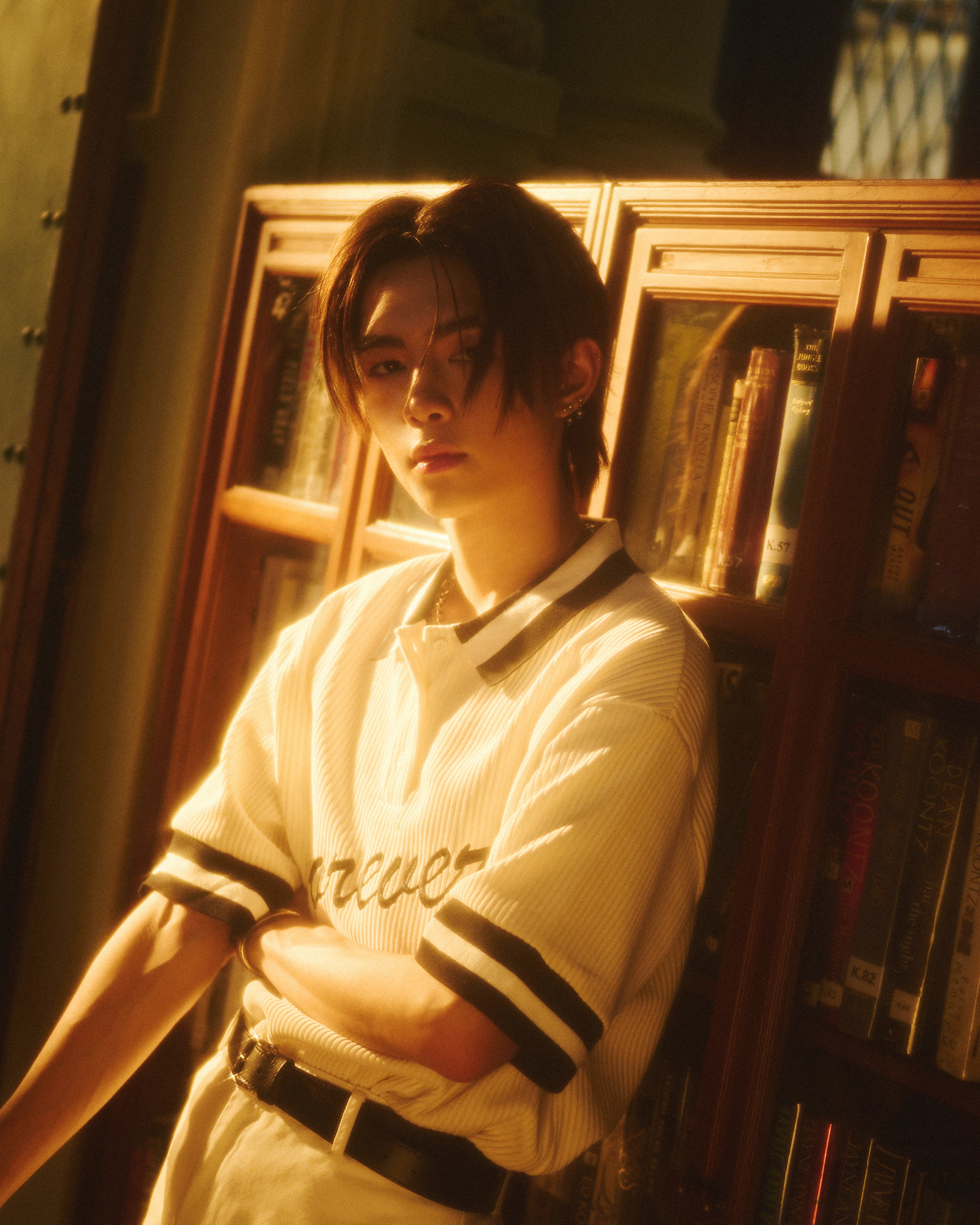

VOA: You have just released your brand-new single, Close(d) Friend, which led to your collaboration with Amp Achariya, Thailand’s most renowned producer known for her work on love songs. How did the collaboration come about? What’s the reason behind the selection of this love song?
AUAU: For me, I felt pressured before we went to record. I still thought I wouldn’t do well enough, but when it was time to record, Phi Amp guided me on how to communicate through this song. She made everything easier, and I felt that I did better than during the practice.
SAMUI: I felt that there were so many details on how to sing this song. With the R&B style, it required a distinctive way of singing, a style that I’m not familiar with. I felt the need to put in more effort in preparation.
TANG: For me, this song was easier to sing than I expected. When it came time to record, I tried singing in a way that suited me, both in tone and technique. When Phi Amp listened and was okay with it, I was very happy.
FRANK: I felt more comfortable and not as pressured as in the first two songs. The part I sang had a dramatic vibe to it. When it was time to record, Phi Amp would tell me where she wanted to adjust it, and I would try to perfect it, making sure the emotions were conveyed as the producer envisioned.
CHEETAH: Also, the rap part in this song was longer, giving us the opportunity to create our own melody. This made us more involved in the process of working on this song.
VOA: As the song is slower than previous tracks, what inspired the shift toward a more mature image? The meaning of the song is rather poignant, reflecting the fear of declaring one’s true feelings and the apprehension about the possible outcomes. Did you believe that writing Close(d) Friend could be helpful to those listening, especially those who have been in similar situations and can relate to the lyrics?
TANG: If we’re listeners, this song makes us feel like we have a friend who shares the same experience. It’s like, ‘Hey! It’s not just me who feels this way’. There’s someone who feels the same way and experiences the same things as us.
FRANK: Yes, that’s right; listening to this song feels like being comforted.
CHEETAH: I feel that it has a touch of sadness. Listeners might be rooting for us and wondering if, in the end, we would dare to express our feelings. Also, I believe it might resonate with the experiences of many people who have secretly loved a friend.
SAMUI: I feel like this song is a love song. Whether it’s a sad story or a happy one depends on how each person interprets it. Personally, after listening, I feel moved because I believe that just loving someone is enough, regardless of whether they love us back.
VOA: Although the song is categorised as Pop-R&B, the rap section towards the end is strong, with all of you contributing to the songwriting process. Can you share with us the technique or method of writing this rap? What inspired you to write those lyrics?
SAMUI: From the start, we received the music and then Phi Amp allowed us to work on it. We came up with the rap part, sent it to her, and she gave us the green light. Normally, I would sing the rap part, but considering the slow mood of the song, we discussed it and concluded that if all three of us sang the rap parts, it might disrupt the flow of the song. So, we decided that only Cheetah and Tang would do it, thinking it would create a smoother flow and be more comfortable to listen to.
TANG: As for the lyrics of this song, it depends on each person’s perspective and interpretation. I tried to imagine how one would feel in that situation, pulling out that feeling and expressing it in words. Still, I tried to keep it true to ourselves.
CHEETAH: I’d like to discuss the technical aspect. After listening to this song, which is in a Pop R&B style, I found it quite challenging because I don’t usually write in this genre. As our rap part is at the end of the song, we wanted it to stand out and hype it up. We wanted the rap to have depth, to be intriguing, using rhyming words that resonate, such as ‘Everything, every hint that I say’, and playing with connecting words, so that when people listen, it sounds catchier.
VOA: The music video starts with a yearbook flipping through memories with an old friend who could not express these feelings, hence the title Close(d) Friend. Did you have a concept for the music video? What did you hope to bring to the audience watching it?
POR: The concept behind this idea was to present a story that was close to us and not too complicated. We want people who see it to smile and recall memories from that period of time.
FRANK: We want those who see it to be reminded of memories from the past, perhaps of a friend we once had good feelings for but those feelings were hidden inside.
AUAU: It’s like having someone in mind – someone we once secretly liked and who is hidden in this song [smiles].

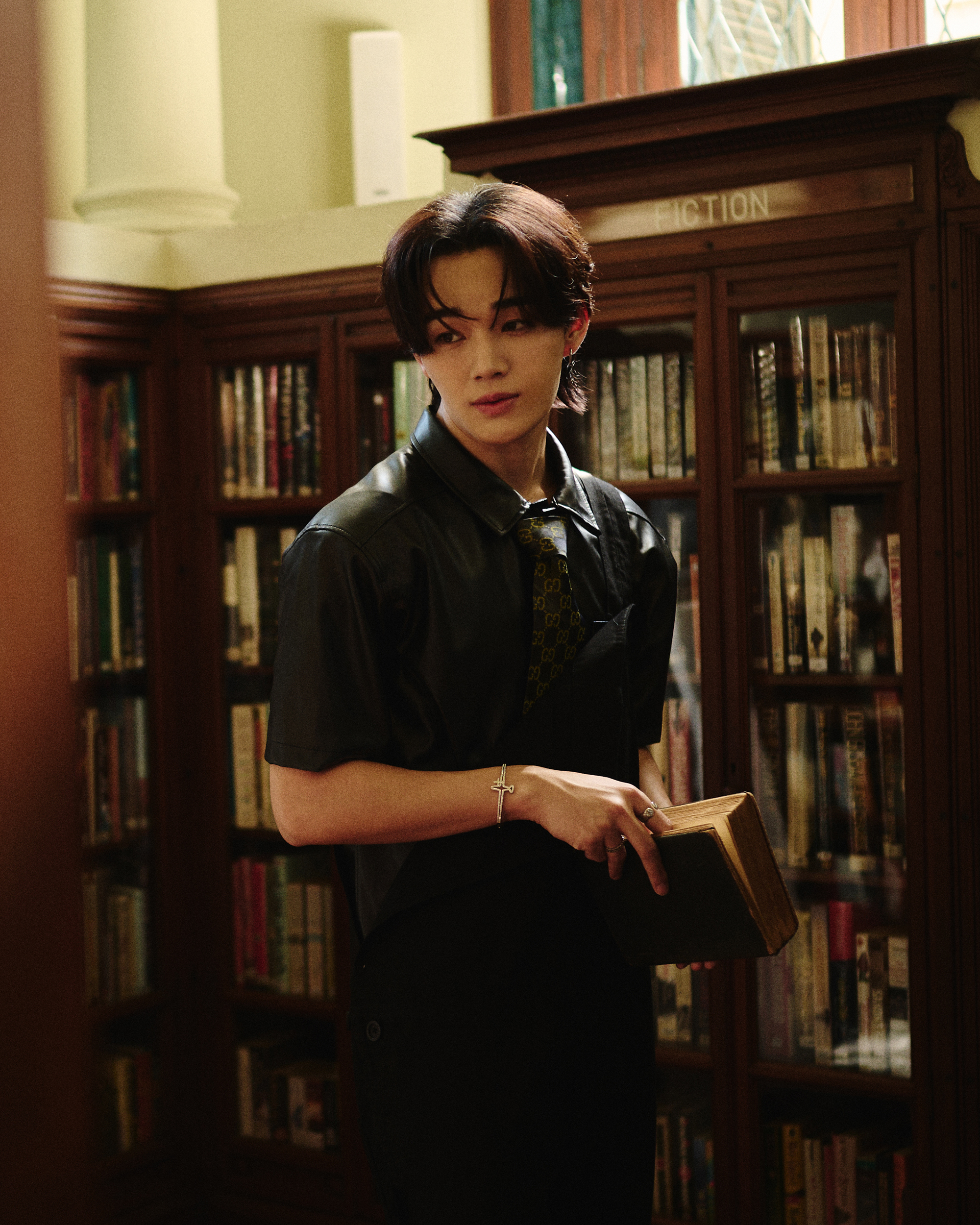
VOA: You’ve all been featured on the Japanese boyband PSYCHIC FEVER’s track To The Top. How did the collaboration come about, and how was it getting to work with an established group? Did they give you any tips, as your elders? Can you give us any stories about the recording process?
CHEETAH: Before we met, we couldn’t quite figure out how this song would turn out. We were a bit concerned about the differences in language and culture between the countries. However, once we started working together, it wasn’t as challenging as we thought. Everyone shares the same passion and dreams. Everything has been going well, and it’s been a lot of fun working together.
FRANK: We were a bit tense in the beginning. It was all new to us since we had just debuted, and they were our seniors. Also, it was our first time working with international artists, so we overthought everything we did. We weren’t sure if they would be okay with our way of working or not.
SAMUI: But once we got to know each other better, we exchanged thoughts about work and personal matters, and we started feeling more at ease and being ourselves. It turned out to be a great experience.
VOA: After you had the chance to collaborate, you guys also performed together at the BATTLE OF TOKYO in Japan last year. Can you tell us about it? What did you learn or experience from working abroad this time?
TANG: We got to see and learn the working process over there, which, for me, was like an inspiring force, fuelling my passion. We had the opportunity to perform on such a huge stage alongside other artists in their agency, including many successful seniors. It’s a very prestigious stage, and we felt honoured to be a part of it.
POR: It was an eye-opening experience. We witnessed behind-the-scenes work, saw the systems of the artists there, and gained an understanding of the preparation needed before each concert.
CHEETAH: We had so much fun, and everything was exciting and new for me, like the cultural differences. I learned from that experience and used it to improve myself.
AUAU: Another thing that left a lasting impression ware the fans there. Everyone who came to watch enjoyed every show, and they were really focused on the performances on the stage. It was truly great.
FRANK: I think it was a period of two to three weeks where we were the happiest. We escaped from everything, focusing only on the performances. It was a time filled with passion, fulfilling our feelings of being artists. It was one of the best times of our lives.
VOA: All of you seemed to have had typical career dreams, with most wanting to be doctors, and Por even trained in culinary school. At what point did you all realise that singing was the career you truly wanted to pursue and that it was meant for you?
AUAU: When I was young, I dreamed of being a football player. But when I grew up and was about to get into university, I had to study a lot, so I didn’t have much time to play football. Instead, I spent a lot of time watching TV series, listening to music, and watching clips online to take a break from my studies. That’s when I developed another interest, and after that, I had the opportunity to compete in the LAZICON, where I got to sing and perform with my friends. It was then that I realised my passion for this, and I truly wanted to become an artist.
POR: Mine is quite similar. I didn’t have any specific thoughts about what I wanted to do when I was young. Back then, I went to singing lessons with my sister and had the opportunity to become a trainee. During that time, I enjoyed it, but the image of myself wasn’t clear until I had the chance to participate in LAZICON. Once I stepped on the stage, everything became clear to me.
CHEETAH: I have to say first that most of my family members are doctors. When I was in high school, my seniors showed me video clips of BIGBANG and Thai artists like K-OTIC. Watching them, I felt that they were talented, and I thought that it must be great to have someone to look up to you, just like I looked up to them. So, I decided to learn how to dance. Initially, my family was against it, but I was very determined. I joined competitions and sought out experiences. In the end, my family saw my dedication and allowed me to pursue my dreams.
TANG: I believe I took longer than others to realise myself. It happened after I passed the university entrance exams, and there was a long break before the academic year started, which gave me a lot of free time. Before that, I had no interest in singing or dancing until I watched clips on YouTube, particularly the stage performances of Korean artists like BIGBANG and EXO. I found them so cool, and I aspired to be like them. So, I began learning and sought opportunities to pursue my dreams. I joined a training programme at 4NOLOGUE and eventually had the chance to debut as an artist.
FRANK: During my childhood, I explored many things I liked. Around the age of nine or ten, I began learning sports like golf and also the arts. My family supported me in doing many activities, but I was still young, so I continued to explore myself. When I was about thirteen or fourteen years old, I had the opportunity to learn singing and dancing. That’s when I realised that I liked it; it felt effortless to do. I didn’t think much at the time; I just enjoyed it. Before I knew it, I’d been with it for a long time, up until now [smiles].
SAMUI: As for me, it all started with my mom’s love for music, as she likes to sing and dance. When I was a child, I followed my mom around, but I wasn’t that interested. It wasn’t until junior high school that I began to desire to be more visible in school, so I started playing music. To be honest, at that time, I still didn’t feel particularly passionate about it. Until around the age of nineteen, when I encountered rapping, I became more immersed in music. Even now, I don’t view it as a profession; rather, I think it’s something that brings me the most happiness. In the future, I may not necessarily become an artist. I might pursue a different career, but I’ve already found what makes me happy in life.


VOA: When you debuted, you released Why DVI, a four-part series and an in-depth documentary to introduce yourselves. In the first episode, How It Begins, you spoke candidly about your ambitions and goals. Looking back now, are you surprised at how far you’ve come? Have you noticed any significant changes in yourselves, either personally or as a group, since your debut?
TANG: I feel that working as an artist is not easy. Before that, we were just trainees with the sole responsibility of practicing and improving ourselves. But once we became artists, I realised that debuting was just the beginning. There are so many things that happen along the way, and I think I’ve learned a lot from that journey. I’ve learned to adapt myself and take responsibility for my role as best I can.
CHEETAH: It made us grow up. We realised that getting something is not as easy as it seems. The more opportunities we have, the more there is to explore and adapt to. Everything still feels new to me, and there’s always something to discover.
AUAU: The six of us have become closer, like a family. We can talk and consult with each other and share more about our lives. In the past, we might have played a lot, but as time passed, each of us grew up and became more responsible, especially myself [laughs].
SAMUI: I feel that we are gradually changing, trying to work on understanding more. We focus on teamwork more than before, and we understand our roles in the group better.
VOA: Frank, you mentioned how you believe that age doesn’t matter when it comes to success. I quote here: “I’ve always wanted to be an artist first; I’ve been in this field for most of my life. My age doesn’t matter. What’s important is my passion and discipline. If I have to wait, I will. I won’t go back”. That is a very inspirational outlook on life. Where do you get that inspiration from, and what is the best piece of advice you’ve received?
FRANK: Those are the words I heard from Phi Wutt (4NOLOGUE CEO). He told me that he doesn’t focus on age; success doesn’t depend on that. We can succeed as long as we have the determination to do it. Success can be achieved as long as you believe in yourself. Phi Wutt is the one who gave me the chance to unlock my feelings and face my anxieties.
VOA: Continuing with the Why DVI series. The Butterfly Effect episode showed how well you all work together. Each member has a butterfly that represents your character, and I’m intrigued by how you all decided on what represents you best, as they all vary. Can you explain to me again how these butterflies identify your characters?
SAMUI: Firstly, I must say that each person’s butterfly character was created to match our individual personalities.
CHEETAH: Let me start. My butterfly character is MASSIVE ENERGY and FEARLESS GUTS, meaning that I am someone who has the courage to express myself, show my emotions, isn’t afraid to step outside the norms, and has abundant energy.
AUAU: Mine is PURE and REFLECTIVE. As the youngest in the group, I am someone who is sincere and pure. Also, I am able to take the strengths and weaknesses of each person and apply them to myself, reflecting them in my character.
POR: Mine is CALM and MYSTERIOUS, representing something serene, mysterious, and worth exploring. I think the team sees me this way, and it’s quite accurate since I am a quiet person.
TANG: My butterfly character is MOVING FAST and FREE. I am adaptable, love freedom, and always strive to learn new things.
FRANK: As the eldest member in the group, my character is STRONG and DETERMINED. So, I am here to take care of the group and solve problems for my younger brothers.
SAMUI: Lastly, for me, it’s STAY LOOSE and DANGEROUS. These characteristics are based on my easy-going nature, but when it’s time to work, I’m serious. I am straightforward and daring to speak my mind, but when with my friends, I’m quite relaxed.
VOA: Your YouTube channel is full of content with curated playlists that allow fans to get to know you. You also have your variety show, where you do various challenges and group missions. The current Dreamworld series shows your personalities well; what themes would you like to do next, and which episode has been your favourite to film?
FRANK: I would like to go camping, like a survival programme, to show fans another side of us.
POR: I want to play sports together, maybe basketball or badminton.
SAMUI: Thai boxing could be fun.
AUAU: I’d like to go bungee jumping. I want to take Samui with me to unlock his fear, as he is afraid of heights [laughs].
TANG: I want to play paintball together because we, the six of us, enjoy competition.
CHEETAH: I’d like to do something creative. I want to do a CSR project, perhaps busking for charity, and raise funds for donations to help children. I feel that today we’ve been given opportunities, and I want to share these opportunities with others. It could be a project that is both fun and interesting.
VOA: 2023 was a remarkable year that led to you ringing in the new year at the centralwOrld Bangkok Countdown 2024. What goals do you have for 2024? What can we look forward to in DVI’s future work?
FRANK: First of all, we want to release our song for everyone to listen to. We want everyone to see our work and our potential.
TANG: We want more opportunities to perform on stage and to meet fans in various places.
CHEETAH: We want DVI to try something new that we haven’t done before, maybe a drama or a movie. We want to explore different roles as we grow.
VOA: And finally, do you have any messages for your fandom, DUSK, and new listeners here in Europe, including the UK?
SAMUI: We hope that you will all support our work, both the songs that have already been released and the upcoming ones. We’re delighted to get to know everyone, and we hope you get to know us more and open your hearts to us.
CHEETAH: We want to thank our fans for their continuous support, including international fans who open up their hearts to listen to our music. I believe that music has no language barriers, and I hope everyone enjoys our work.
POR: I hope you guys will check out our latest single, Close(d) Friend, on all music streaming platforms and also watch the music video on our YouTube channel, DVI.
TANG: I hope we will have the chance to meet you all soon. Bye-bye!
Written and interviewed by Kirsty Bright
View of the Arts is an online publication that chiefly deals with films, music, and art, with an emphasis on the Asian entertainment industry. We are hoping our audience will grow with us as we begin to explore new platforms such as K-pop / K-music, and Asian music in general, and continue to dive into the talented and ever-growing scene of film, music, and arts, worldwide.

 VIEW OF THE ARTS