
For as long as I can remember, I have been a huge fan of hip-hop, particularly the golden age, where the music was raw, unfiltered, and revolutionary. Bars were razor-sharp, beats were built on soul, funk, and jazz samples, and the culture was shifting the world. Of course, every region had its own flavour; New York brought the gritty boom-bap with Wu-Tang and Nas, LA repped smooth G-Funk with Dr. Dre and Snoop, and the South put bass-heavy flows on the map with OutKast and UGK.
Most importantly, lyricism wasn’t just about flexin’ – it was storytelling, survival, and social commentary, straight from the heart. Artists like 2Pac and Biggie brought the struggle of street life into their music, while groups like A Tribe Called Quest and De La Soul introduced hip-hop with jazz-inspired production and conscious rhymes. It was an era where hip-hop was a movement. For my generation, it was all about whether you had it or not. You became part of that movement when you grasped the meaning, feeling, and power – sometimes even the political weight – behind the lyrics. And with Kool Herc, the Father of Hip-Hop, laying its foundation in the 1970s, all I can say is thank you for enhancing the world of music.
Fast forward to now, hip-hop has left its mark on every continent with varying results. While many artists honour its origins and bring their own personality into the genre, others have commercialised it to the point where you just want to shut the door in their faces. That said, while there are both hit-and-miss hip-hop artists out there, I’ve found that some Asian countries have developed a well-rounded hip-hop scene – one of them being South Korea. Tiger JK and Drunken Tiger laid the blueprint for Korean hip-hop, introducing boom-bap beats and sharp lyricism, while Yoon Mirae laced her bars with real talk and soulful vibes. Dynamic Duo and Epik High built on the old-school foundation, mixing slick wordplay with thoughtful storytelling and staying true to the essence of late ‘90s hip-hop.
When I first started music, my intention was to help those with similar struggles remain hopeful. But as time passed, I realised if I didn’t put myself first at times, burnout would come quickly.
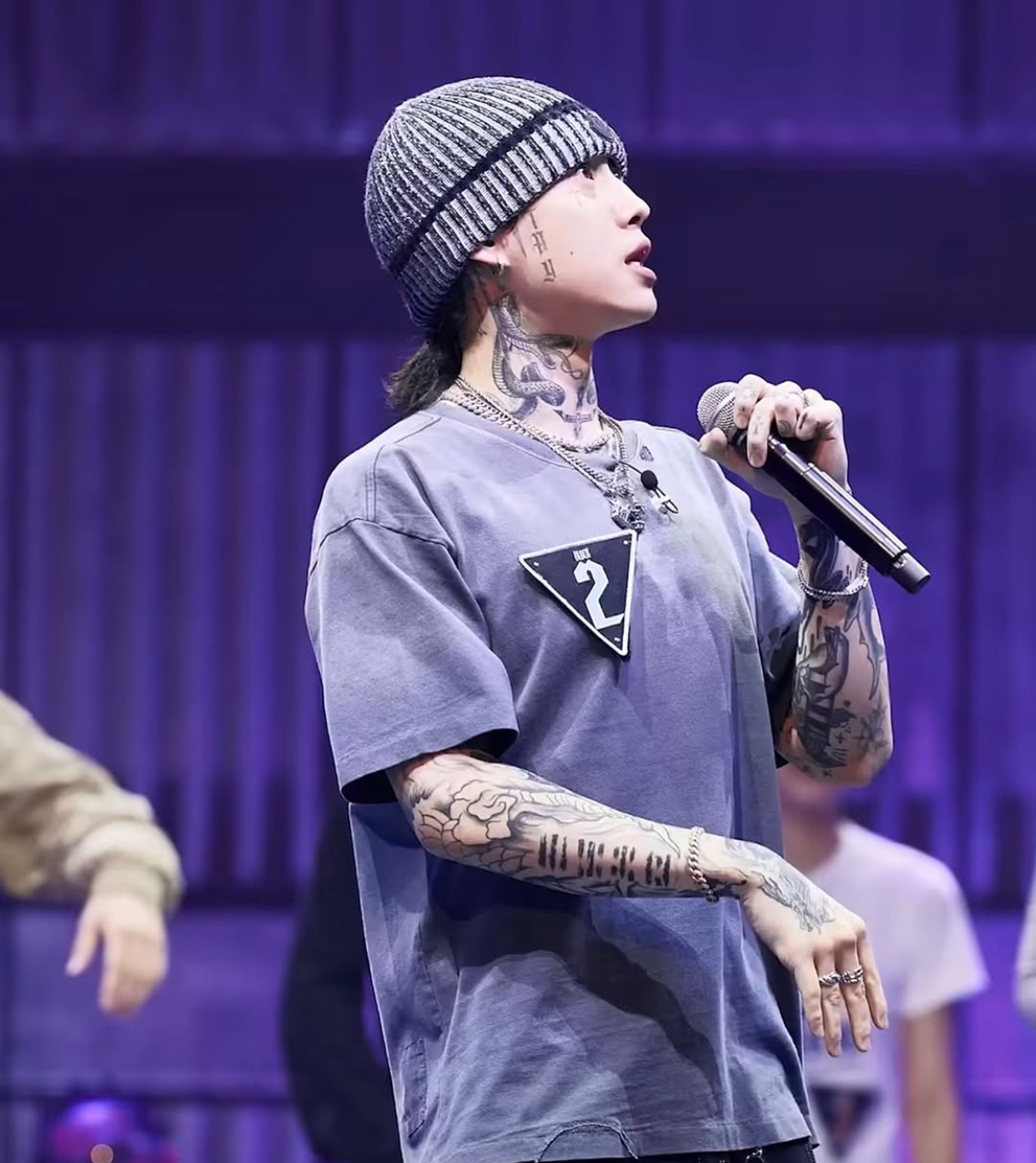
Then you have artists like pH-1 and Nucksal, who tap into jazzy samples and technical flows reminding me of the golden age. And with his latest EP, Blur, Nosun proves that storytelling and soulful production never go out of style, keeping that ’90s energy alive for a new generation. Reddy, Loopy, SINCE, and many other young hip-hop artists – honestly, too many to name – continue to connect the gap between old and new, breathing fresh life into the scene.
Beyond Korea, Korean American and Korean Canadian rappers have played a major role in preserving that old-school sound. Artists like Dumbfoundead, Lyricks, and James An have embraced boom-bap production and complex lyricism, connecting past and present. The golden age may have started in the ‘80s, but its influence still runs deep. From the underground to the mainstream, the legacy is surviving, or even thriving, proving that real hip-hop never fades.
In an industry often defined by spectacle, Nosun is an artist who prioritises raw storytelling and emotional honesty above all else. His latest EP, Blur, brings just that: a vortex of experiences, pressures, and personal growth, all distilled into a collection of tracks that show his lyrical maturity yet again. With collaborations featuring REDDY, Mckdaddy, and MELOH, Blur is a reflection of his time in Korea and an expansion of his artistic vision.
Having lived in New York since 2015, Nosun’s approach to music is heavily shaped by his experiences in the city. “New York for sure tests your limits,” he says. “There was no routine or stability in my day-to-day life. The city tends to make your bad days worse and your good days better. You learn to control your emotions by force. New York’s nickname of Concrete Jungle is well-earned. At first, the influx of emotions was a detriment to my music, but once I learned to understand and convey these emotions I had an endless source of inspiration.”
This intensity has seeped into his songwriting, allowing him to make universally resonant music. It’s a balance he has worked hard to maintain, as he initially struggled with PTSD and anxiety without having an outlet to express his emotions. “When I first started music, my intention was to help those with similar struggles remain hopeful. But as time passed, I realised if I didn’t put myself first at times, burnout would come quickly – while I typically try to incorporate messages of hope within my work, days I feel drained I tend to vent emotions I’ve been holding on to.”
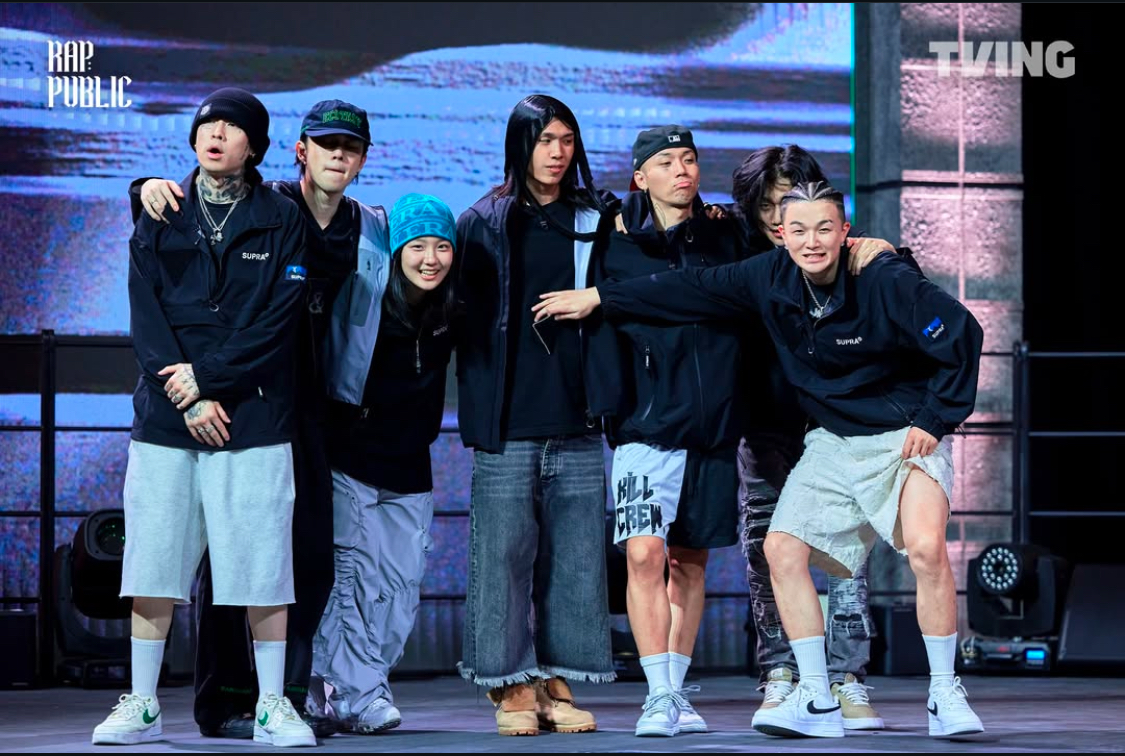
Everyone in BLOCK 2 had their individual colour. This helped us shine as a team as there was no overlap and consequently created a unique dynamic.
That self-awareness is what makes his music so compelling. From his debut track Rosé (2021), which chronicled his struggles with addiction and heartbreak, to the contemplative themes of Up Again (2024), Nosun has consistently used his art as a form of catharsis. “I had been working through breaking some addictions as well as at the end of a long-term relationship – at the time my anxiety and depression were constant, and I felt like the lyrics and themes of the song [Rosé] portrayed the most honest side of me. I had also started music a few years before the song, and timing-wise, I felt my music had finally reached a level which could be introduced into the scene,” the artist recalls.
After Rosé, Nosun continued to create his sound with tracks like Addicted, Crash Test, Black Tattoo, and Blueberry Sunshine, each offering a peek into his emotions and experiences. When asked whether the beat, melody, or lyrics come first in his creative process, he explains, “I try to embody the beat first, going with the flow and feeling what types of memories and emotions the beat brings up. Melody and lyrics come at the same time – as I write lyrics, I break out melodies depending on what points I want to emphasise.”
Honesty has remained a defining trait of Nosun’s music, culminating in Up Again (2024), a project that depicts the cycle of struggle and persistence. “I was constantly reclusive, motivating myself to try harder the next day,“ Nosun tells me then adds that, “Up Again documents my journey as I took falls and pushed myself to get up again in a constant uphill environment.”
His participation in RAP:PUBLIC, a Korean rap competition, was another turning point in his career. Initially unaware of the show, he received an invitation via email and took it as an opportunity to share his music with a Korean audience. The competition was grueling, testing his ability to create under pressure and collaborate with fellow artists. As a member of BLOCK 2, alongside Loopy, Osun, and JP, he found himself surrounded by like-minded artists with a shared hunger to succeed. “Everyone had the same type of hunger – we were all here to give 100%. That helped all of us bond quickly.” The group’s dynamic and individual strengths led them to victory in the final battle, proving that chemistry and artistry could thrive under intense pressure.
Despite his success, Nosun’s journey on the show wasn’t without its challenges. During the Mask Off challenge, he momentarily forgot some lyrics – a mistake that weighed heavily on him. “This hit me hard because I had come all the way to Korea from NY, put countless hours into preparation, and made a mistake. From that day on, for over a month, I rarely left my Airbnb in Korea and spent all my time either writing new verses for the show or memorizing them,” the rapper confesses. The pressure was immense, but his determination kept him focused, “I didn’t want to leave Korea with regrets.”
I had a lot of trouble adjusting to Korea as this was my first time staying here for more than a few weeks – the pressures, struggles, and strained relationships that came with the show only added to the baggage.
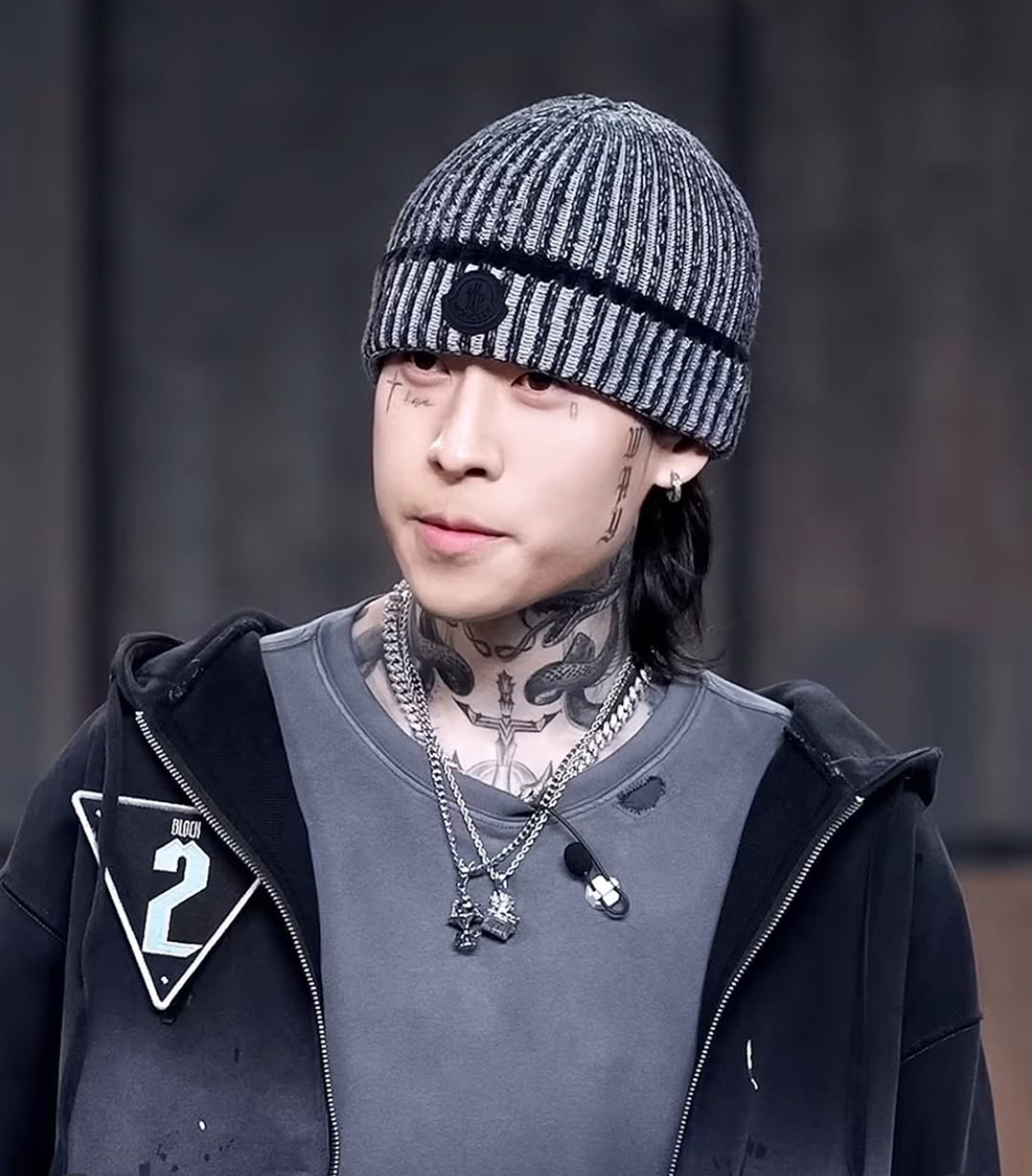
The experiences Nosun gained through RAP:PUBLIC ultimately informed the creative process behind Blur. After the show wrapped, he was finally able to process the emotional toll of the competition and his extended stay in Korea. “I had a lot of trouble adjusting to Korea as this was my first time staying here for more than a few weeks – the pressures, struggles, and strained relationships that came with the show only added to the baggage. There was a lot of emotion to be processed, but given the nature of the show, I think it all sort of came at a delay. After the filming of the show ended I used this brief break as an opportunity to process and vent these different emotions which resulted in the varying nature of the tracks in the new EP Blur. The name of the title is inspired by how so many things happened within a short amount of time which in a way made everything a Blur,” Nosun explains.
As Nosun moves forward, he remains dedicated to his work, ensuring that every release reflects his growth and individuality. His time on RAP:PUBLIC was a turning point – an experience that challenged him to evolve both as an artist and as a person. “The pressure of the show was definitely unlike anything I’ve experienced thus far and gave me lots of opportunity to grow both as an artist and individual,” he shares. Competing on a global stage meant constantly proving himself, but Nosun approached the challenge with a clear mindset: “I don’t think I had the room for doubt given the nature of the show – I only kept two things in mind, which was to make this trip worth it and not to leave any room for regret.”
This determination is what helped BLOCK 2 secure victory in the final battle. Nosun credits their win to the distinctiveness of each member: “Everyone in BLOCK 2 had their individual colour. This helped us shine as a team as there was no overlap and consequently created a unique dynamic.” Even in a group setting, he never lost sight of his own artistry, “I just stayed true to my style and roots,” he explains.
With Blur, Nosun has proven that his voice refuses to conform, embracing both the struggles and triumphs of being an artist. While he’s still carefully considering his next steps, fans won’t have to wait long for new music. “Fans can expect more work in the near future, as well as music releases that contain verses I had used and written throughout the show,” he teases. Let’s be honest, Nosun’s journey is far from over, and if his past work is any indication, his next chapter will be just as compelling as the last.
Written and interviewed by Maggie Gogler
Featured image courtesy of Mnet
View of the Arts is an online publication dedicated to films, music, and arts, with a strong focus on the Asian entertainment industry. With rich content already available to our readers, we aim to expand our reach and grow alongside our audience by delving deeper into emerging platforms such as K-pop and Asian music more broadly. At the same time, we remain committed to exploring the vibrant and ever-evolving global landscape of film, music, and the arts, celebrating the immense talent and creativity that define these industries worldwide.

 VIEW OF THE ARTS