
Sarah Miro Fischer’s The Good Sister, screened in Panorama at this year’s Berlinale, is a haunting exploration of family bonds tested by the unimaginable. The film depicts the emotional turmoil of Rose (Marie Bloching), whose brother Sam (Anton Weil) is accused of a sexual offense. By centering the narrative on a sibling rather than the victim or the perpetrator, Fischer presents a thought-provoking examination of loyalty, morality, and identity.
The narrative is built around Rose’s struggle as she confronts her feelings toward her brother – not just as his sister, but also as a woman questioning her own values. The film asks difficult questions: How can she continue to love and support him? What does this mean for her sense of self? Is she, in some way, complicit? These questions hit close to home, highlighting the film’s central exploration of trust and betrayal within the family.
The brilliance of The Good Sister lies in its characters and the complex relationships they share. Rose is portrayed as a flawed, searching, and vulnerable young woman. She is not the strong, career-driven female protagonist often seen on screen. Instead, Fischer presents her as a “problem child,” struggling to find her place in the world. Her emotional dependency on her brother complicates her journey, making her internal conflict all the more compelling.
Marie Bloching gives a superb performance as Rose. She masterfully balances confusion, anger, and heartbreak with a rawness that makes her character feel real. Her portrayal of Rose’s internal struggle – her loyalty to her brother and her moral awakening – is executed with subtlety and depth. Meanwhile, Anton Weil brings a human complexity to a character whose actions are morally indefensible yet heartbreakingly familiar. Their on-screen chemistry effectively conveys a lifelong sibling bond threatened by an unforgivable act.
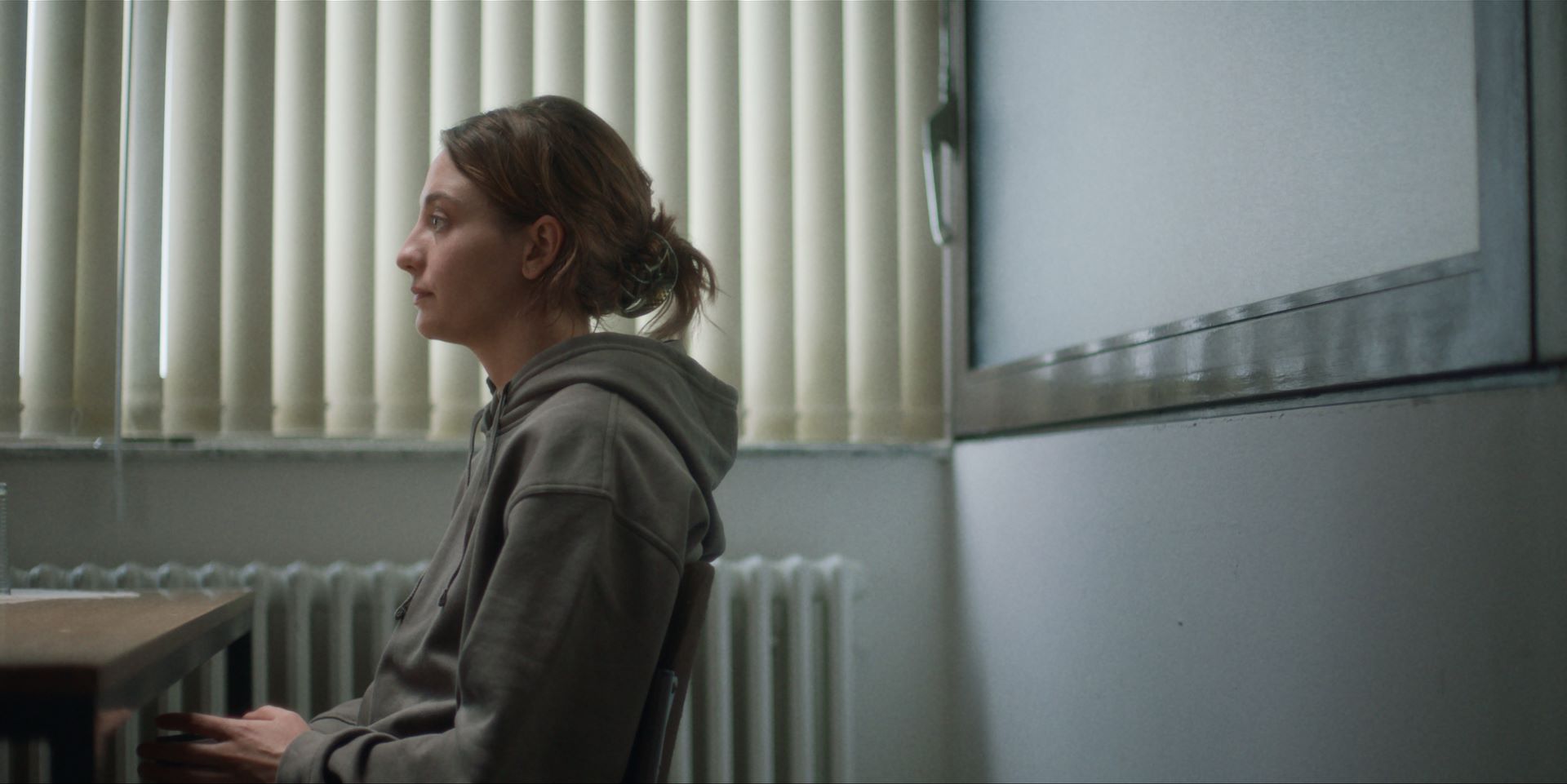
The cinematography by Selma von Polheim Gravesen is carefully designed to reflect Rose’s psychological state; as her world begins to fall apart, so does the space around her. The house, once a symbol of safety and family, becomes increasingly claustrophobic, reflecting her sense of entrapment. This choice amplifies the emotional tension, making viewers feel as suffocated as Rose does. The close, lingering shots capture the unspoken tension between characters, conveying what words cannot.
Fischer’s direction deserves high praise for the courage to confront uncomfortable truths. Her decision to leave the ending open encourages ongoing reflection. It challenges viewers to question their own moral compass and beliefs about justice, forgiveness, and family loyalty. By focusing on the perspective of a “bystander” – one who is deeply affected yet not directly involved – Fischer successfully prompts discussions about responsibility, complicity, and judgment.
The Good Sister also refuses to simplify the narrative into good versus evil. Instead, it portrays the complexity of human relationships and the pain of betrayal. Fischer forces us to confront the unsettling reality that perpetrators are not always monsters lurking in the shadows – they can be people we know and love. This layered portrayal is essential in breaking the stigma surrounding sexual violence and the way society processes such cases.
Fischer’s film does not shy away from asking difficult questions and encourages viewers to reflect on many things including loyalty and judgement. This is a must-watch for anyone willing to engage with challenging, socially relevant cinema.
Rating:
Written by Maggie Gogler
Featured image courtesy of PR Factory
View of the Arts is an online publication dedicated to films, music, and arts, with a strong focus on the Asian entertainment industry. With rich content already available to our readers, we aim to expand our reach and grow alongside our audience by delving deeper into emerging platforms such as K-pop and Asian music more broadly. At the same time, we remain committed to exploring the vibrant and ever-evolving global landscape of film, music, and the arts, celebrating the immense talent and creativity that define these industries worldwide.

 VIEW OF THE ARTS