
Child custody battles are among the most emotionally taxing and legally complex issues in family law. The courtroom, meant to be a place of justice, can often become a space where trauma is perpetuated, particularly for victims of domestic violence and abuse. The protracted and repetitive nature of legal proceedings, where children are repeatedly asked to recount painful experiences, can intensify feelings of helplessness, leading to long-lasting psychological repercussions. We Believe You, directed by Charlotte Devillers and Arnaud Dufeys, depicts this harsh reality, exploring the intersection of domestic violence, legal struggles, and societal perceptions of justice.
The film follows Alice, a mother navigating the labyrinth of a custody battle that forces her to confront the trauma of abuse while fighting to maintain her bond with her children. The narrative is grounded in realism, reflecting the emotional turmoil and systemic challenges faced by survivors of domestic violence. The choice to center the story around Alice’s perspective effectively humanises the legal process, highlighting how justice systems can sometimes fail to protect the most vulnerable.
The directors strike a delicate balance between cinematic fiction and stark reality. Devillers’ background as a nurse informs the film’s empathetic approach, emphasising observation and listening – skills crucial in both healthcare and storytelling. This influence is visible in the film’s great attention to emotional detail, capturing Alice’s journey from guilt and self-doubt to her fight to reclaim her role as a mother. The scenes before and after the courtroom hearing are carefully fictionalised to envelop the audience in Alice’s internal struggle, providing a visceral depiction of her emotional state.
Central to the film is the tension surrounding the presumption of innocence, a keystone of justice systems worldwide. We Believe You explores this principle with remarkable subtlety, questioning its application in cases of domestic violence and child abuse. The narrative raises a critical ethical dilemma: Should the precautionary principle take precedence when the safety of a child is at stake? The film challenges viewers to reconsider the weight given to children’s voices, urging a societal shift towards believing and protecting them.
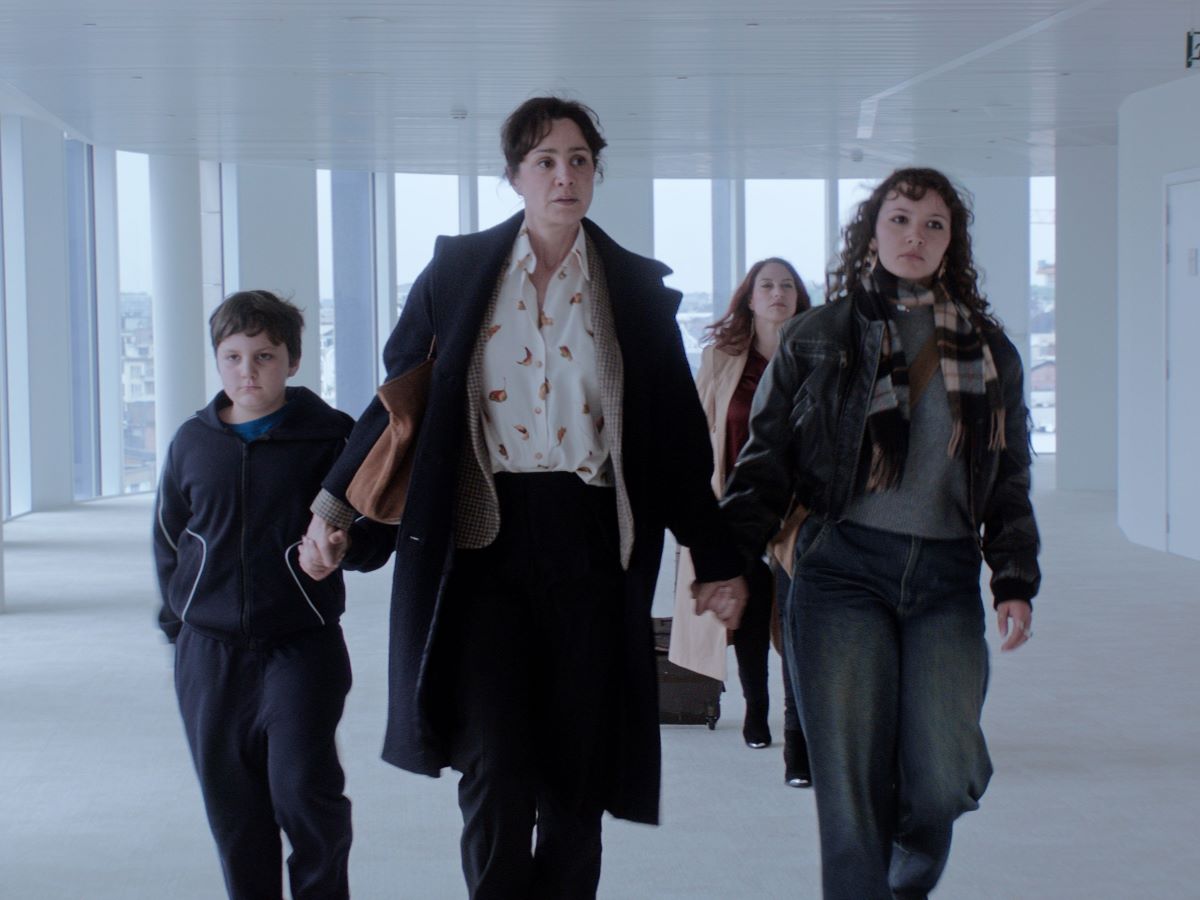
One of the film’s most striking choices is its decision to depict the, almost an hour, courtroom scene in real time. By casting real lawyers alongside professional and non-professional actors, the film achieves a superb level of realism. The lawyers’ natural eloquence and understanding of legal dynamics bring credibility to the courtroom sequences, while the actors’ emotional performances reveal a deep sense of human vulnerability.
Performance-wise, Myriem’s portrayal of Alice is sublime on many levels. Her ability to convey silent suffering through prolonged close-ups and subtle body language is exceptional. Laurent Capelluto’s depiction of the father character is equally compelling, capturing the internal conflict and denial that complicates narratives of abuse. Natali Broods, as the judge, delivers a powerful performance that reflects the challenges of balancing authority with empathy.
We Believe You is not only a film about domestic violence but also a powerful exposé of the systemic failures that perpetuate trauma. It invites reflection on the role of justice systems in protecting vulnerable voices and questions societal biases that often silence victims. The film’s powerful title is also a great statement of solidarity and a call to action, urging society to listen, believe, and protect.
Rating:
Written by Maggie Gogler
View of the Arts is an online publication dedicated to films, music, and arts, with a strong focus on the Asian entertainment industry. With rich content already available to our readers, we aim to expand our reach and grow alongside our audience by delving deeper into emerging platforms such as K-pop and Asian music more broadly. At the same time, we remain committed to exploring the vibrant and ever-evolving global landscape of film, music, and the arts, celebrating the immense talent and creativity that define these industries worldwide.

 VIEW OF THE ARTS