
KL Pamei, an artist whose music combines his Naga heritage (India) with contemporary pop, invites listeners into his world through his album, Thuanku The – a very personal and culturally significant work. The album, which translates to “Thank You” in Ronglat, has been an important turning point in KL Pamei’s career. Thuanku The is filled with acoustic gems; the simplicity and sincerity of tracks like Letting Go, It’s Okay, and To Hold create a warm, intimate vibe, as if Pamei is sharing a private moment with the listener. Ten songs on this album are minimalist yet powerful, letting the emotions and melodies take center stage.
Not long ago, we had the opportunity to chat with KL Pamei about his journey as an artist and the significance of amplifying underrepresented minorities in the music industry. During our conversation, KL Pamei shared his thoughts on the creative process behind Thuanku The, revealing how he mixes cultural heritage with contemporary sound. He also spoke about the challenges of staying true to his roots while embracing modern sound.
In addition, KL Pamei opened up about the healing power of music and how it can create a platform for diverse voices, envisioning a future where global music is defined by authenticity, inclusivity, and respect for different cultures.
I do love incorporating elements of my Naga heritage and cultural dialogue into my contemporary, pop music. For me, it’s a way to promote and represent my roots.
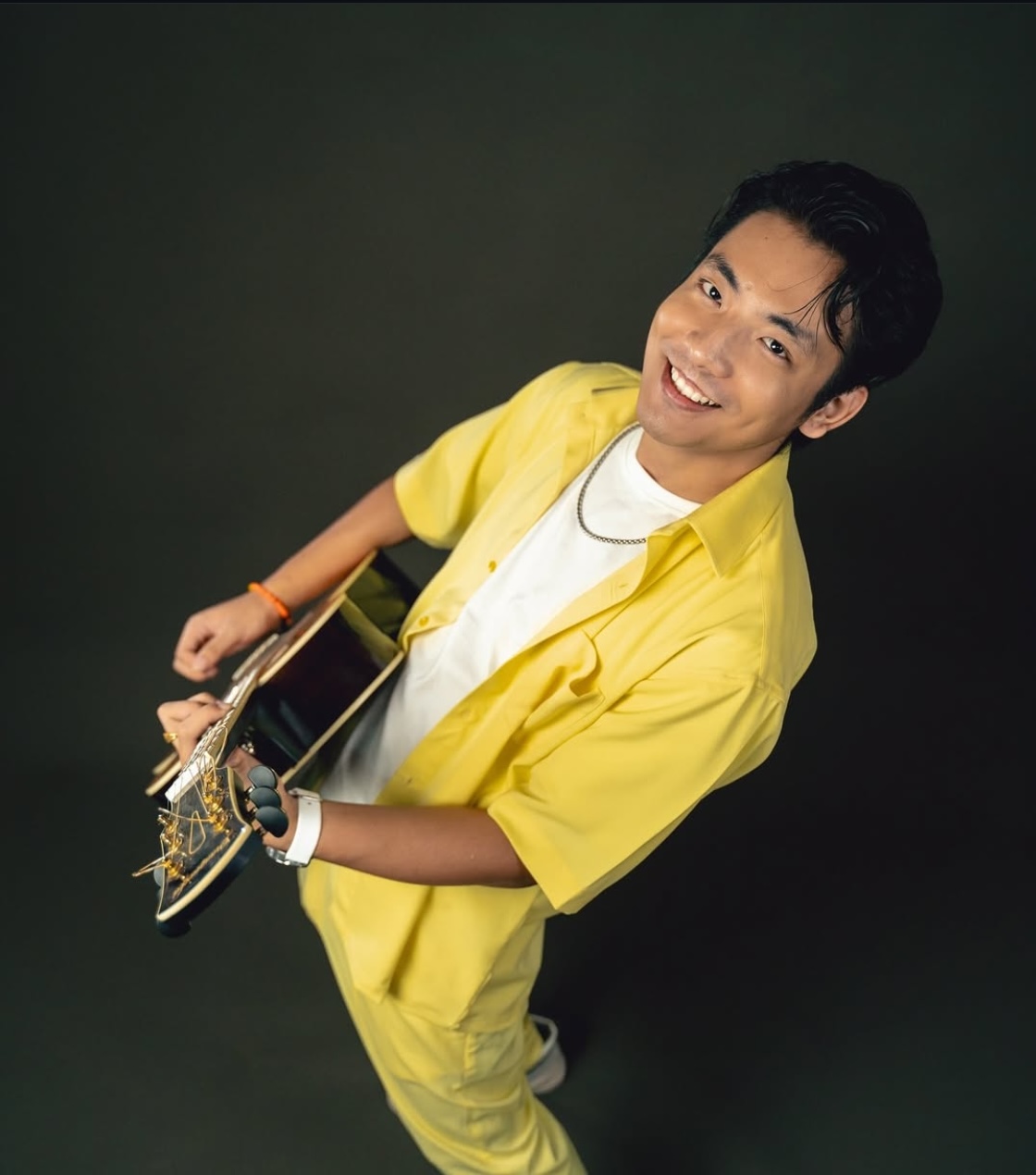
View of the Arts: Thuanku The took two years to complete, and you mentioned that some songs were scrapped along the way. What was the most difficult decision you had to make in shaping the final tracklist, and how did you know when a song truly belonged on the album?
KL Pamei: Shaping the final tracklist wasn’t a particularly difficult decision. As we continued working on the album, everything started to flow naturally, and we didn’t feel the need to force anything. The vision I initially had for the album evolved over time, and as the process went on, the album began to take shape organically. It found its purpose without us needing to push or overthink it. The songs that ultimately made the cut felt right when they aligned with the direction we were headed in, and each one contributed to the overall story we were telling. It was a very intuitive process.
VOA: The album title, meaning Thank You in Ronglat, carries both cultural and personal significance. Beyond gratitude, does this title also reflect a larger message about your journey as an artist or the role of music in your life?
KLP: The title Thuanku The, meaning Thank You in Ronglat, is deeply personal, but it also represents a larger reflection of my journey as an artist. Music has always been a tool for expressing gratitude – not only towards those who have supported me but also towards the experiences that have shaped me. As an artist, I’ve gone through moments of doubt, growth, and inspiration, and this title captures that ongoing dialogue with the world around me. It’s a way of acknowledging everything that has brought me to this point, whether it’s the people who’ve believed in me or the challenges that pushed me to grow.
VOA: Your music is rooted in cultural influences while also pushing into contemporary sounds. How do you strike a balance between honoring tradition and innovating within your genre?
KLP: I wouldn’t consider myself a folk fusion artist, nor have I specifically created music in that style. However, I do love incorporating elements of my Naga heritage and cultural dialogue into my contemporary, pop music. For me, it’s a way to promote and represent my roots, blending tradition with modern sounds to share my heritage in a way that resonates with today’s audience.
VOA: You described the songwriting process as both “organic and intuitive.” Were there moments where you felt creatively blocked, and if so, how did you work through those challenges?
KLP: Yes, there were definitely moments of creative block. When that happened, I didn’t force it. Instead, I took a step back and allowed myself time to reset—whether that meant listening to different music, reflecting on my experiences, or just taking a break. I find that sometimes the best ideas come when I’m not actively trying to create.
VOA: You’ve spoken about music being a universal language. In a world where music is becoming more globalised, how do you see the role of artists from underrepresented regions in shaping the future of the industry?
KLP: I believe artists from underrepresented regions have a crucial role in shaping the future of the industry by offering fresh perspectives and diverse sounds. As music becomes more globalised, these voices bring authenticity and unique cultural experiences that the world needs to hear. In the future, I see these artists playing an integral part in reshaping the music landscape and promoting greater inclusivity and diversity.
VOA: You’ve mentioned that art, for you, is a purpose in its own right. What responsibilities do you feel, as an artist, in telling stories that might not otherwise be heard?
KLP: As an artist, I feel a deep responsibility to use my platform to amplify voices and stories. Art has the power to shed light on experiences, struggles, and cultures that are often overlooked or marginalised. By telling these stories, I hope to encourage empathy, understanding, and change, while also staying true to my own identity and the values I hold dear.
VOA: Many artists struggle with the tension between artistic integrity and commercial expectations. How do you bring this balance in your own work?
KLP: For me, I enjoy both aspects of the creative process. I find my artistic integrity in creating music that resonates with a wider audience, while still staying true to my own voice. I embrace the challenge of blending commercial appeal with meaningful expression, as it allows me to reach more people without compromising my authenticity. It’s about finding a balance where both sides complement each other, and that’s something I truly enjoy.
I believe artists from underrepresented regions have a crucial role in shaping the future of the industry by offering fresh perspectives and diverse sounds.
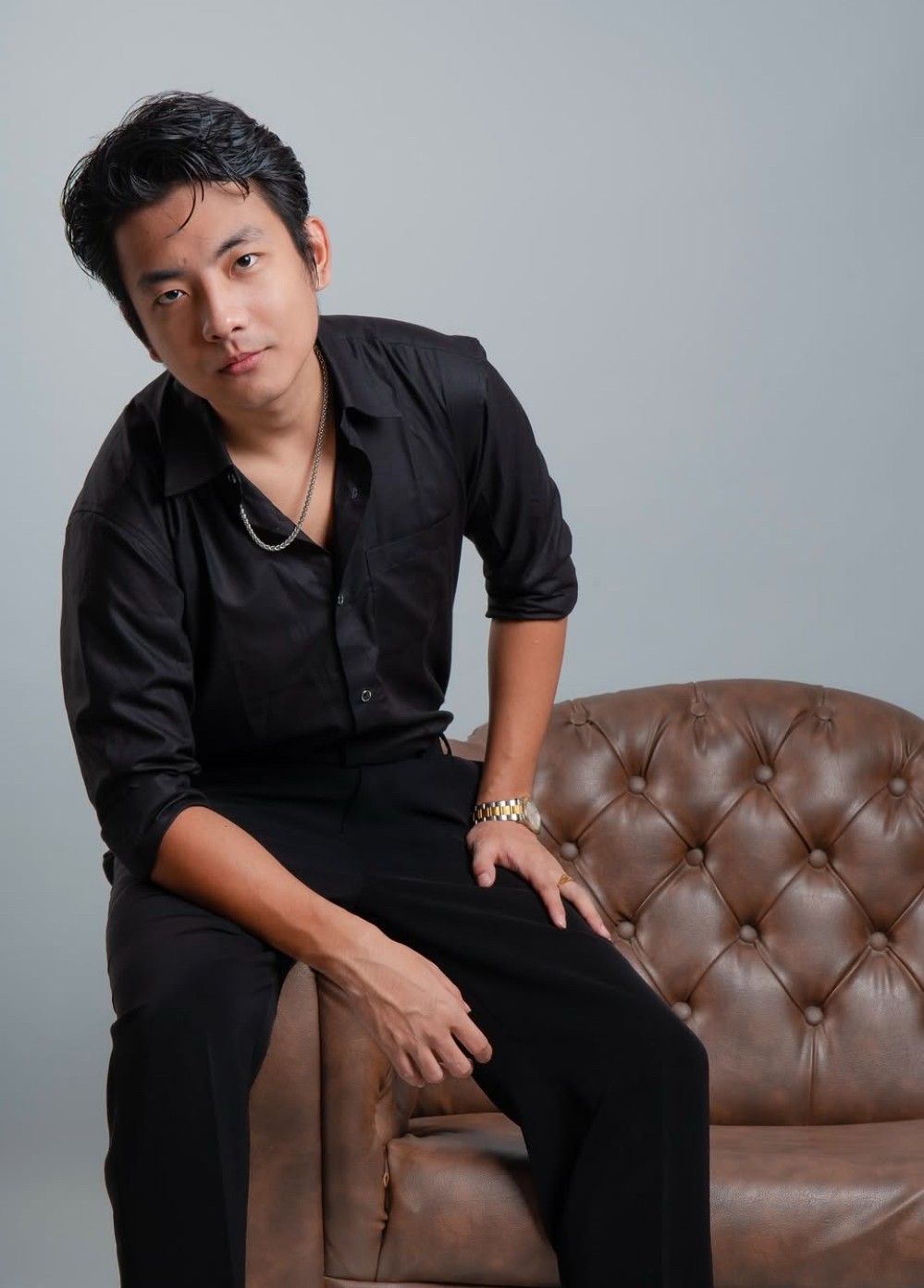
VOA: If you could collaborate with any artist – regardless of genre or nationality – who would it be, and what kind of song would you want to create together?
KLP: If I could collaborate with any artist, I’d love to work with some of the best Rongmei folk artists to create a Rongmei folk fusion song. I think it would be an incredible experience to blend traditional sounds with contemporary influences, and I’d learn so much from working with musicians who have mastered the roots of this music. It would be a beautiful way to celebrate and share my heritage.
VOA: You mentioned that live performances allow you to connect with your audience in a way that studio recordings don’t. Has there been a particular show or moment on stage that stood out to you as transformative?
KLP: For me, most of the shows where people genuinely come to listen to my music have always felt transformative. There’s something special about connecting with the audience in real-time, feeling their energy, and seeing how they respond to the music. That kind of connection, where the music becomes something shared, is incredibly powerful and reminds me why I do what I do.
VOA: Many artists describe touring as both exhilarating and exhausting. How do you maintain your creative energy and emotional connection to your music when performing night after night?
KLP: Touring can definitely be both exhilarating and exhausting, but I make it a priority to stay grounded by balancing rest with performance. I believe I can only give my best when I’m well-rested and at peace, so I always try to carve out small moments of calm throughout the day to recharge. Whether it’s through reflection, quiet time, or something as simple as taking a walk, these moments help me maintain that emotional connection to my music, even when the schedule gets hectic
VOA: Given that your music carries deep emotional weight, do you find it challenging to relive certain experiences through your songs in a live setting? How do you maintain authenticity in your performances without being emotionally drained?
KLP: Definitely! But I try to stay connected to the music without getting overwhelmed. Just like I mentioned before, I find moments of peace and reflection to recharge. This helps me maintain that emotional connection with the audience without feeling drained. It’s all about balance – staying authentic to the music while also protecting my energy.
VOA: Coming from Dimapur, Nagaland, how has the local music scene influenced your artistry? Do you see a shift in how indigenous or regional artists are gaining recognition on a larger scale?
KLP: The local music scene has had a huge influence on my artistry. Growing up, I was exposed to a mix of traditional sounds and contemporary music, which has shaped my approach to blending both in my own work. I do see a shift in how indigenous and regional artists are gaining more recognition, not just locally but on a global scale. With the rise of digital platforms, there’s more exposure for these voices, allowing artists like myself to share our unique stories and sounds with a broader audience.
VOA: You’ve spoken about music’s potential for healing and transformation. If someone unfamiliar with your work were to listen to Thuanku The, what emotions or messages would you hope they take away from it?
KLP: I’d hope they’d feel a sense of connection – both to my personal journey and to the larger human experience. The album carries themes of gratitude, growth, and resilience, and I hope it inspires listeners to reflect on their own lives and find healing through music. Ultimately, I want them to feel uplifted, empowered, and reminded of the beauty in both struggle and triumph.
VOA: Looking back on your journey so far, what advice would you give to young, aspiring artists who may feel limited by their background or circumstances?
KLP: Looking back on my journey, my advice would be to never let your background or circumstances define what you can achieve. Use your unique experiences as your strength, not a limitation. Authenticity is key—stay true to your voice and your story. The world is evolving, and with platforms available today, there’s space for every kind of artist. Keep pushing forward, stay persistent, and believe in your craft. Your journey may not be easy, but it will be worth it.
VOA: What can we expect from you in 2025?
KLP: In 2025, you can expect more Hindi songs, exciting collaborations, and an even higher level of music. I’m constantly exploring new sounds and creative directions, so I’m looking forward to sharing fresh, improved music with my audience.
Written and interviewed by Maggie Gogler
Featured image courtesy of Myrrh Studio
View of the Arts is an online publication dedicated to film, music, and the arts, with a strong focus on the Asian entertainment industry. While we already offer rich content to our readers, we aim to expand our reach and grow alongside our audience by exploring Asian music in greater depth. At the same time, we remain committed to present the vibrant and ever-evolving global landscape of film, music, and the arts, celebrating the immense talent and creativity that shape these industries worldwide.

 VIEW OF THE ARTS
One Comment Add yours