
Thai actors Bever and Tonliew have found a considerable following through Fourever You, with their portrayal of Tonfah and Typhoon earning them a story of their own in Beside the Sky. Tonfah, despite his privileged and happy life, struggles with the expectations placed upon him and his desire to take care of everyone, while Typhoon hides his personal troubles behind a cheerful disposition. Both actors understand the emotional complexities of their characters, and much of the intimacy we see on screen comes from their wonderful improvisation as they respond instinctively to one another and bring their own interpretations to the original material.
Before becoming one of Thai BL’s popular on-screen pairings, Bever Patsapon Jansuppakitkun and Tonliew Methaphat Chimkul had already built their individual acting careers. Bever appeared in Love Mechanics, The Best Story and 21 Days Theory, while Tonliew’s credits include Hard Love Mission and Absolute Zero. Now reunited in The Chemistry as Jaab and Jane, the two have another opportunity to show their range as actors.
Bever and Tonliew barely knew each other before filming, and it was on set that they gradually learnt to understand and trust each other as actors.
Bever recalls being impressed by how easily Tonliew could bring himself to tears during filming, while Tonliew explains that he prefers to let a scene move naturally, taking his cues from Bever rather than planning every reaction in advance. That mutual understanding is perhaps one of the reasons their performances feel so convincing.
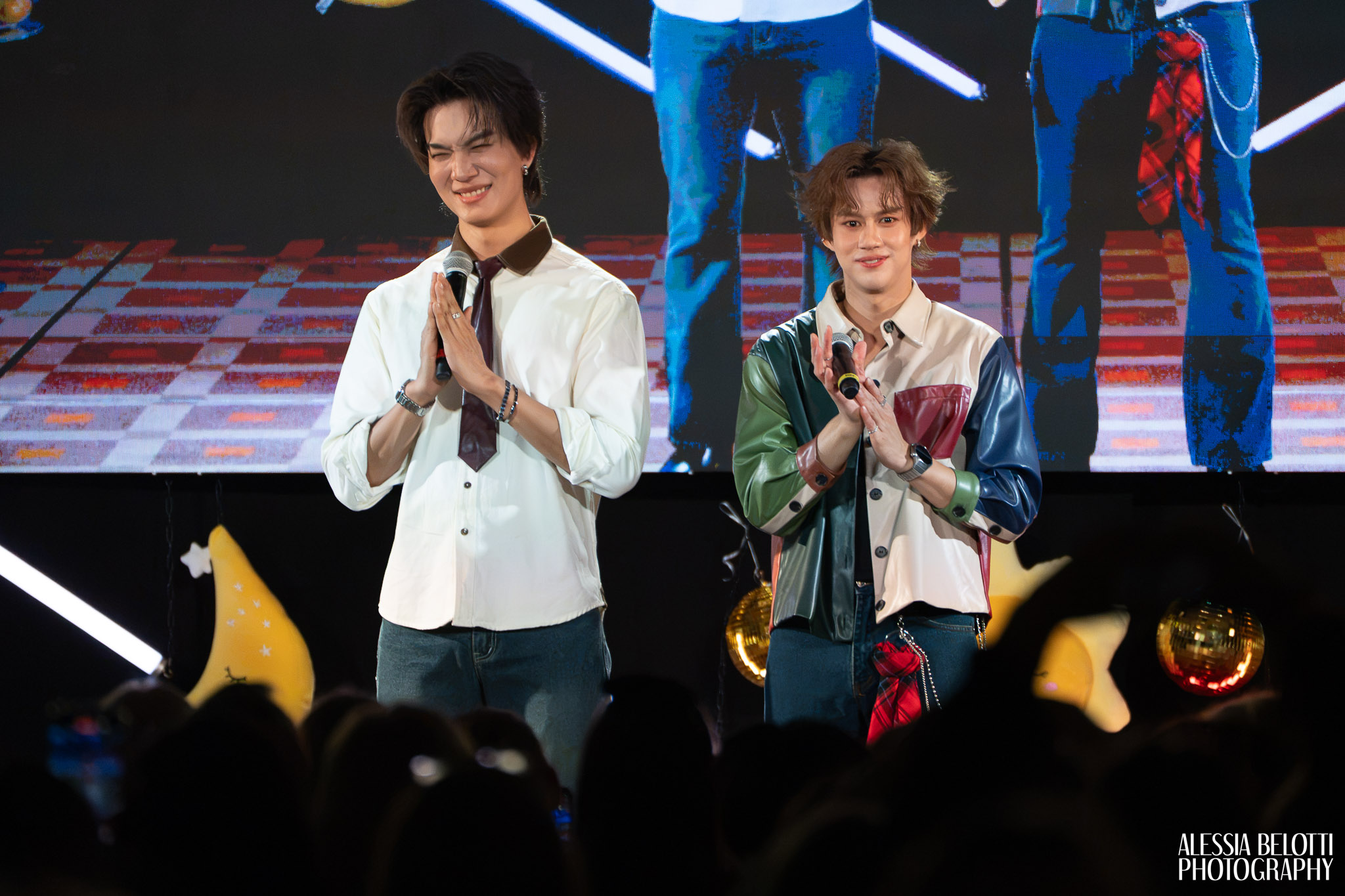
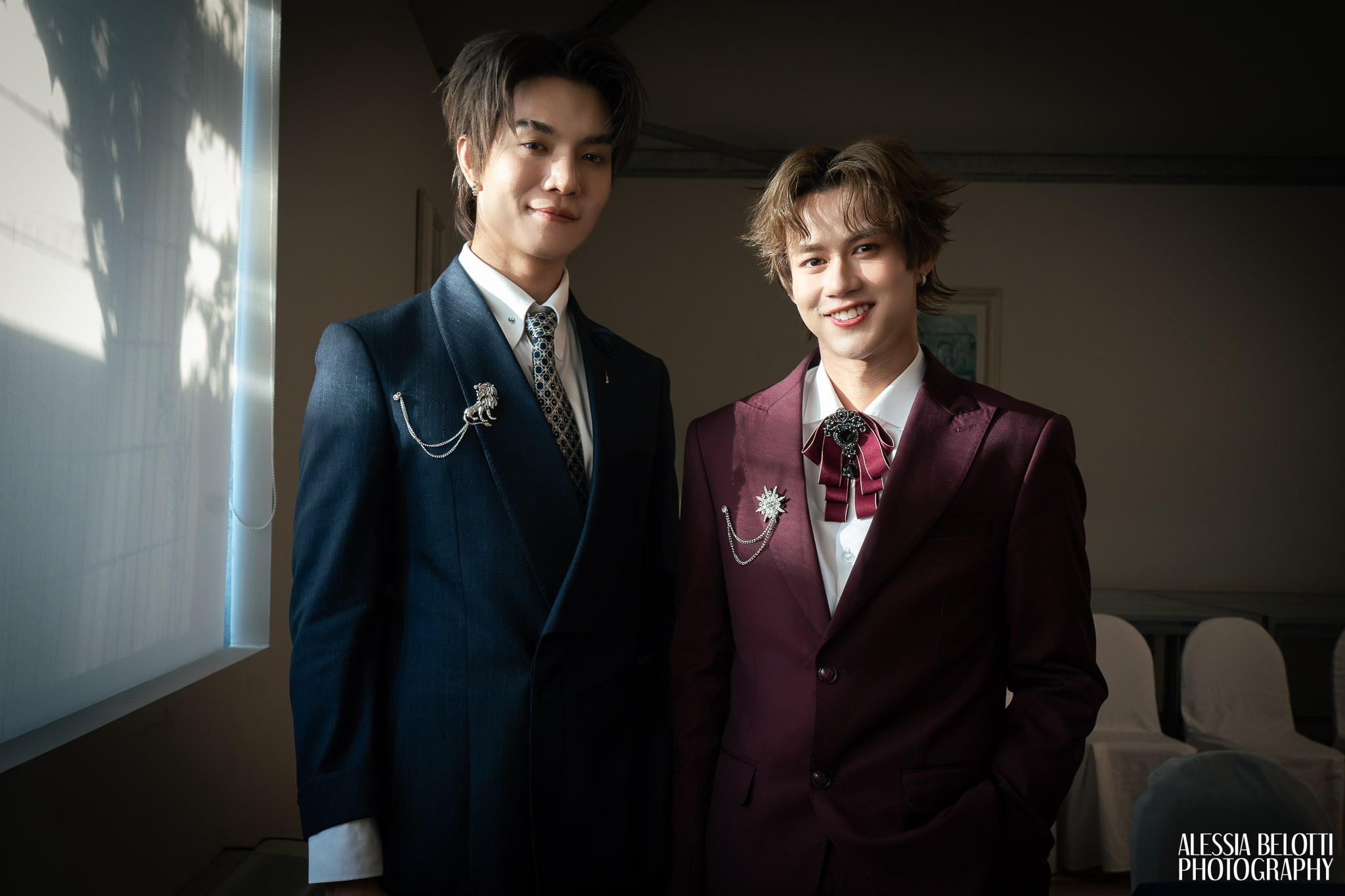
Following their appearance at the eighth edition of JIB Dream Fanmeet in Rome, View of the Arts had the pleasure of interviewing Bever and Tonliew about their work, their understanding of their characters and the relationship they have developed as actors.
For Bever and Tonliew, meeting fans overseas is a wonderful opportunity to see just how much their work means to people. Both take their acting seriously, and knowing that Tonfah and Typhoon are loved far beyond Thailand is something they are clearly proud of.
View of the Arts: Tonfah and Typhoon have moved from being part of the wider “Fourever You” story into a romance that receives much more attention in “Beside the Sky”. What did having more time with these characters allow you to show about them that you couldn’t explore when they existed within a larger ensemble?
Bever: I think it’s about expectations. From the outside, Tonfah seems to have a pretty good life. He has a good life, a good family, and good friends. But deep down, he also feels the pressure of expectations from the people around him. He feels pressured because he wants to take good care of everyone, including his friends, his family, and Typhoon.
Tonliew: He’s someone who may seem like he has nothing going on on the outside, but internally, there’s a lot going on. When he’s with his friends, he’s fun and cheerful, but he doesn’t really feel comfortable opening up about his personal matters to them.
VOA: A romantic relationship on screen is often built through very small things rather than the obvious romantic scenes – the way somebody looks at the other person, reacts when they enter a room or becomes comfortable around them. Was there a particular detail you developed together that helped Tonfah and Typhoon feel like two people who genuinely know each other?
Bever: When we were actually filming, we didn’t stick too closely to the script. We improvised quite a bit on set. For each scene, I would think, “Maybe Tonfah would be better off doing this,” or something like that. We added a little more detail beyond what was in the novel, making him more like my own version of Tonfah.
Tonliew: For me, it was mostly about responding naturally to what was happening in front of me, rather than trying to create or plan out certain moments. Whatever Bever gave me on set, I would react to it naturally.
VOA: Bever, you had already worked in series including “21 Days Theory” before this partnership, while Tonliew came into this with his own way of approaching a character. What is something about the other person’s acting that you didn’t expect when you first began working together but have since learned to trust?
Bever: It was a dramatic scene. Throughout my time working in this industry, I had never met anyone who could make themselves cry on cue. So when Tonliew was able to do that, I felt like I could really trust him in dramatic scenes and knew that we would be able to get through them well.
Tonliew: We mostly got to know each other through conversations while working. We didn’t really go out of our way to get to know each other beforehand, but we learned about each other through the time we spent working together.
VOA: When actors become a popular on-screen pairing, audiences naturally become attached not only to the characters but also to the partnership between the actors themselves. How do you enjoy that connection with fans while still giving yourselves room to grow individually as performers?
Bever: I’m happy that whether I meet Thai or international fans, they often call me “P’Tonfah”. It feels like they know me and have formed an emotional connection with the character I play. Even though we’re strangers, we’re connected through the series. I also feel that this character has helped me grow. And now that I’m Jaab, people have started calling me Jaab, too. It’s really fun when I meet people and they call me by different names, even though it’s still me, just portraying different characters.
Tonliew: I just want to thank everyone for loving both the characters and Bever and Tonliew themselves. We really tried our best to make this project as good as possible, especially since it’s our first one. Thank you for loving both the characters and Bever and Tonliew.
VOA: At JIB Dream Fanmeet, audiences had the opportunity to meet Bever and Tonliew rather than simply Tonfah and Typhoon. If someone who attended the event knew your characters very well but knew very little about the two of you personally, what do you think surprised them most when they saw you together off screen?
Bever: I think it’s probably because of the characters. Fans get to see Bever and Tonliew on screen portraying their characters, but when they meet us in real life, we’re quite different. I’m not as well-mannered as Tonfah, and I’m not as composed as him either. I’m more casual and playful. As for Typhoon, people get to see him in emotional and dramatic scenes, but Tonliew himself isn’t really a sad or gloomy person. So there’s quite a contrast between who we are in real life and the characters we portray on screen.
Tonliew: I don’t think fans would be all that surprised. In fact, I think it’s a good thing that we’ve managed to portray the characters in a way that gives people a distinct image of them. I feel that’s one of the things the series has successfully achieved.
Written and interviewed by Maggie Gogler
Featured image © Alessia Belotti for View of the Arts
View of the Arts is an online publication dedicated to film, music, and the arts, with a strong focus on the Asian entertainment industry. As we continue to grow, we aim to deepen our coverage of Asian music while remaining committed to exploring and celebrating creativity across the global arts landscape.


