
In a music world where change is the only constant force, NIEL stands out not by chasing the noise, but by listening inward. Known to many as the main vocalist of TEEN TOP, NIEL is now deepening his artistic identity with his fourth solo mini-album, SHE. With a voice that effortlessly glides between ache and elegance, and a growing creative autonomy as the head of his newly launched EL&D Entertainment, NIEL is no longer simply performing songs, he’s sculpting them, and telling stories only he can tell.
View of the Arts sat down with NIEL following the release of SHE, a beautifully restrained and emotionally textured body of work that combines neo-soul warmth with accessible pop stylings. Co-created with executive producer DOKO, the album explores love in all its contradictions: affection and resentment, longing and closure, quiet devastation and soulful surrender. It’s a distinct progression from his earlier solo ventures like oNIELy and Love Affair, revealing not only his musical maturity but a great sense of self-expression. If SHE is anything to go by, NIEL is stepping into a new chapter, one that focuses more on real emotion than polished idol image.
During our chat, NIEL shares his experience exploring new sounds, embracing vulnerability, and mastering the subtle art of knowing when to sing, and when to stay silent. He reflects on the collaborative spark with DOKO, the balancing act of being both artist and CEO, and the quiet joy of finally following his own creative compass. What emerged was a portrait of an artist in transition, one who is finally standing still long enough to grasp the full gravity of his voice – and his story.
Rather than carefully planning and calculating every move while singing, I think I try to focus on the melody and the lyrics and try to stay true to the emotions that I feel at the time.
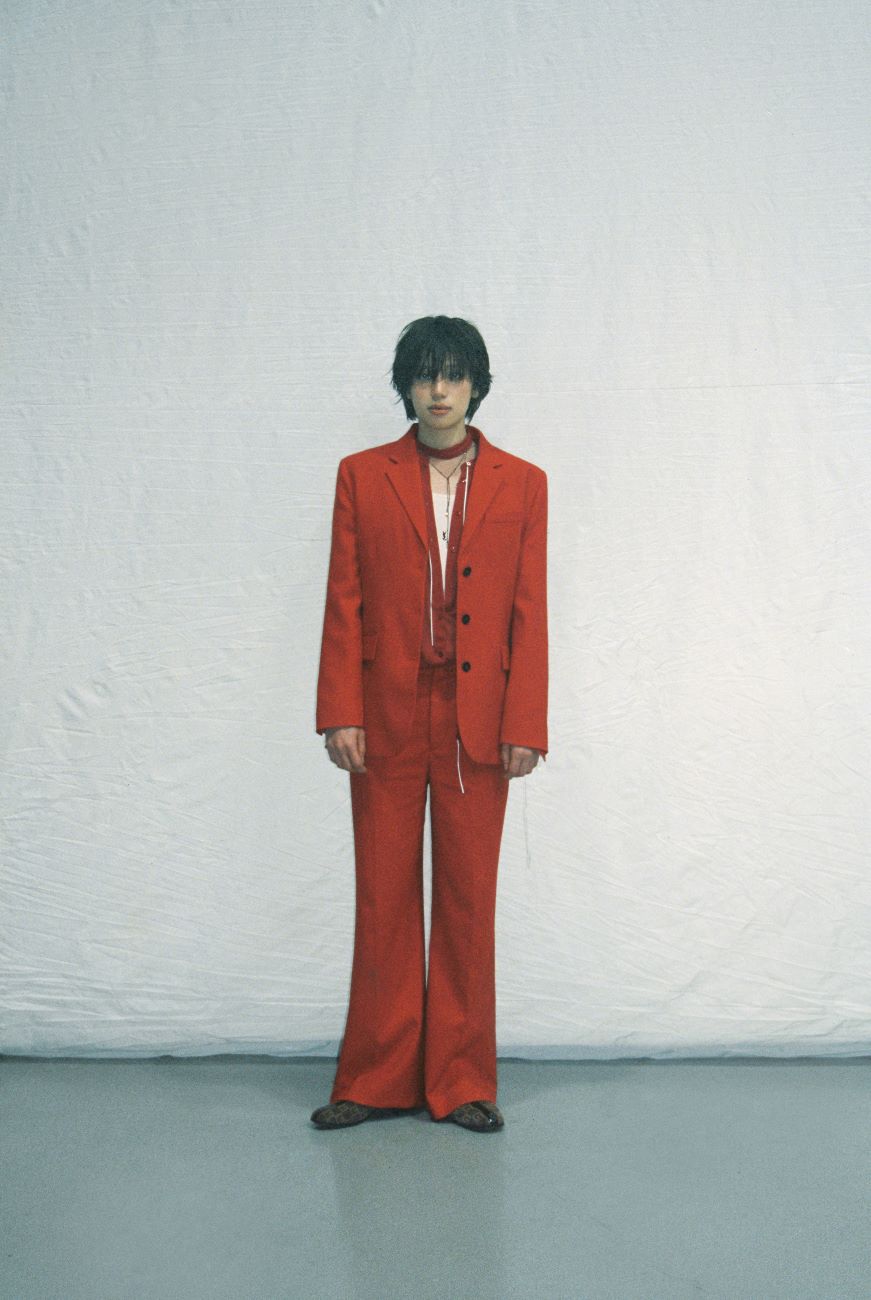
View of the Arts: Let’s begin our conversation by chatting about your 4th mini-album, SHE. This release is a clear departure from your previous musical direction. What inspired you to explore this particular sonic landscape? And with the title track especially, I couldn’t help but be reminded of the timeless elegance of early D’Angelo. Was that kind of neo-soul influence something you consciously leaned into?
NIEL: Rather than a specific inspiration, I had countless discussions with DOKO about the musical direction that I wanted to take, and those discussions naturally led to these new sounds. It’s an honour that you thought of D’Angelo from the title track. I wanted to give the album a different feel from my previous music, and DOKO thought of the neo-soul genre. He said it would fit my voice really well [laughs]. I loved the idea, and I had a lot of fun working on this album!
VOA: DOKO’s role as executive producer, lyricist, and composer clearly shaped the album’s distinctive sound. Could you walk us through the collaborative process between the two of you? What did DOKO challenge or expand in your vocal delivery or musical instincts?
NIEL: I worked with DOKO on the overall creation of this album, including the title track and the rest of the tracklist. As I was experimenting with a new genre with DOKO, I discovered new aspects of my own voice, and the overall process felt like new territory. DOKO and I talked a lot while preparing the songs, and I remember that DOKO captured the mood I wanted so well that I was pleasantly surprised every time I listened to his sample tracks.
VOA: In SHE, there’s a kind of quiet devastation, a restrained turmoil that never quite explodes. Was that emotional restraint deliberate? When you received the lyrics, what went through your mind?
NIEL: I think that’s what love is. It seems selfish to detonate your heart completely. Like love in real life, the song represents a swallowing, a restraint of emotions. The melody alone represents those emotions really well, but I think with the lyrics, it became even clearer which emotions I needed to express.
VOA: The lyric, “You were the one whose love changed – so why am I the one left in ruins?” feels brutally honest and paradoxical. When interpreting these lyrics, were you exploring personal reflections or aiming for a more universal emotional language?
NIEL: I think everyone has experienced falling in love. It could be a person, or an animal or even an object that you fell in love with. While I was working on this song, I was thinking of everything I ever loved, and it broke my heart because of that love. I hope that the listeners will think of their own ‘SHE’ (not just a literal ‘she’ but anything that they may love) while listening to this song. I think that will help elevate their listening experience.
This was the first time working on every single step of making an album, from the entire tracklist to the album concepts, promotion, and contents. Every step of the way I learned something new about myself.
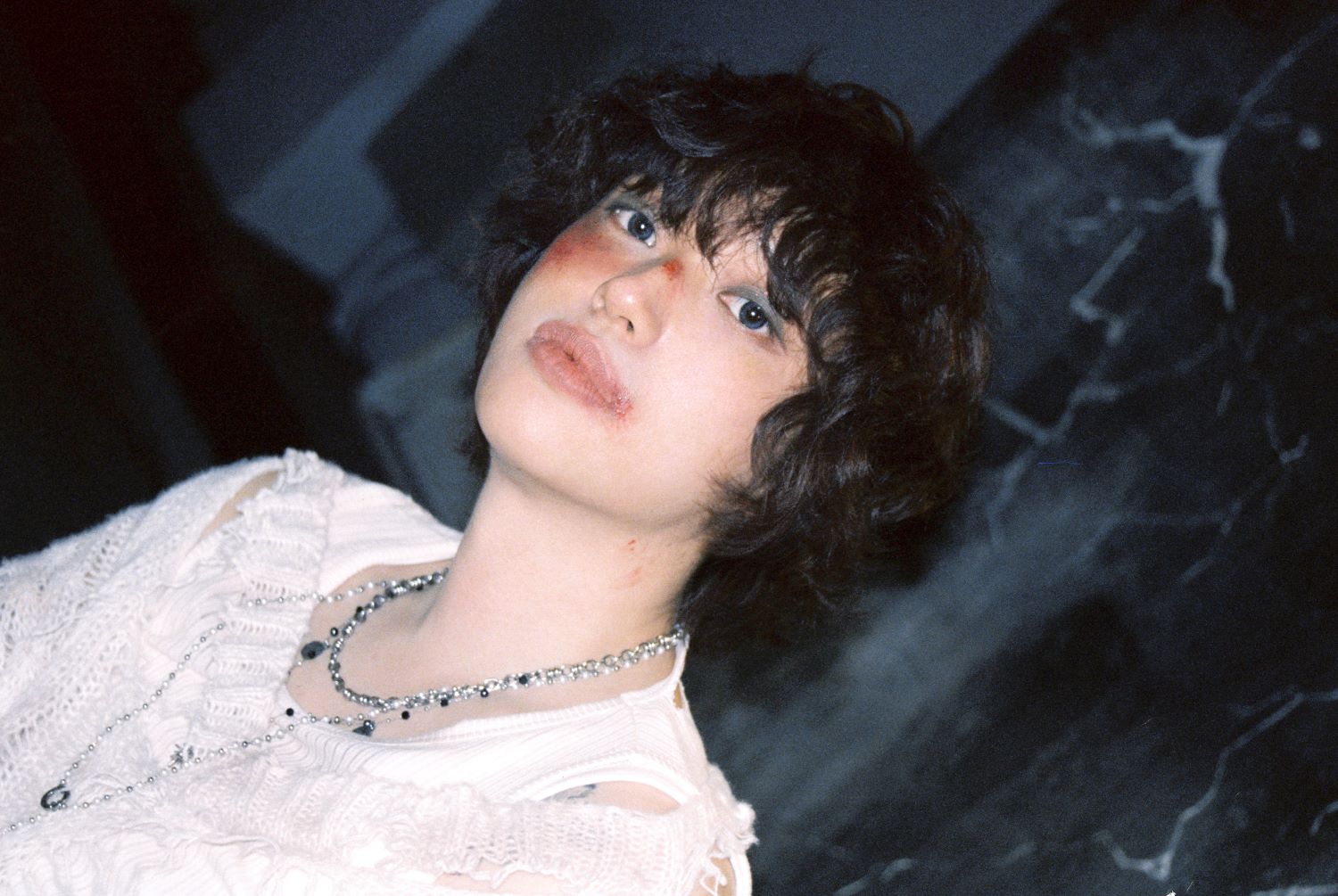
VOA: I have been listening to your music for quite some time now, and I love how well you use your vocals. There is that great control over it, and your falsetto has always been impressive. That said, your vocal interpretation in SHE leans toward restraint rather than power. How do you decide when to let your voice soar and when to hold back? What kind of emotion do you think silence or softness communicates better than volume?
NIEL: Rather than carefully planning and calculating every move while singing, I think I try to focus on the melody and the lyrics and try to stay true to the emotions that I feel at the time. That has always helped listeners truly feel what I’m feeling through the song. In music, every moment – when it’s just the melody playing, when the vocals join in, when it’s just the vocals, when everything has fallen still and no sound can be heard… Every moment can express different emotions. And of all those moments, silence can express emotions more intense than any other sound. Whether that silence is long or short, in that moment the listener can sink into their own thoughts and feelings, without anything getting in the way.
VOA: 사랑이란 단어에 뭐가 들었든 – The Meaning within Love reflects on the evolving nature of love – the coexistence of resentment and affection. Given the song’s layered emotional tone and your use of a new vocal colour, how did your understanding of love influence your delivery? Did this track challenge or reshape your definitions of emotional intimacy?
NIEL: I actually think the mood of this song is similar to the music I’ve created so far [laughs]. So I felt pretty much at ease while recording it, and listening to it as well. I don’t think there was a huge change that came from this song, but I did have the thought that love is a very comprehensive emotion. Love can encompass friends, family, and even pets [laughs]. I think that’s why I was able to express the duality of resentment and affection through this song.
VOA: In If You’re the Ocean, love is portrayed as both all-consuming and liberating. How did you and DOKO approach that paradox musically – making a sound that feels expansive and weightless, yet emotionally intense?
NIEL: I was thinking of my fans a lot while recording this song. When I was going through times of difficulty and inner conflict, my fans were always there for me, showing support and love, and that helped me get through that time of inner conflict [laughs]. This song reflects my desire to pay back their love, and also my hope that they will keep loving me [laughs].
VOA: 사랑에 대체 무슨 핑계야 – What’s the Excuse for Love ends the album with a change in mood, combining pop-rock sounds and expressing the sadness of a final goodbye. Was this track always intended to serve as a sort of emotional epilogue?
NIEL: You’re absolutely right. This song has a cheerful melody, but the lyrics tell a different story. When DOKO first let me listen to it, I was like ‘Wow’! The catchy pop sound feels like it lifts a weight off your shoulders, as if you’re finally saying everything you need to and releasing all the lingering emotions. It’s the perfect way to bring closure to the emotional waves that follow a breakup. I think What’s the Excuse for Love really helped complete the album!
VOA: Establishing EL&D Entertainment is quite a move; you’re no longer just an artist, but also a CEO. How has taking full ownership of your artistic direction impacted the way you make music now? Has creative freedom come with unexpected pressure?
NIEL: As far as the creative process goes, I don’t think I feel especially pressured. Quite the contrary, I think the freedom to express myself musically in the way I want has a lot more positive effects haha. Having to play two roles at once does come with some difficulties, but I have staff members and employees in various departments, and we’re communicating a lot and doing our best to figure it out!
VOA: Looking at your solo career chronologically, from oNIELy to Love Affair, then A to Z, and now SHE, how do you personally define artistic maturity?
NIEL: When I think of ‘mature artists’, I think of artists who have a clear musical identity or standing in the music industry. I think my past albums were part of my journey of finding my own musical colours, and this album, the first album after taking full ownership of my solo career, is the first true step in that journey. Moving forward, I’m going to make a constant effort to try a lot of different things to show my more mature side as an artist.
I think everyone has experienced falling in love. It could be a person, or an animal or even an object that you fell in love with.
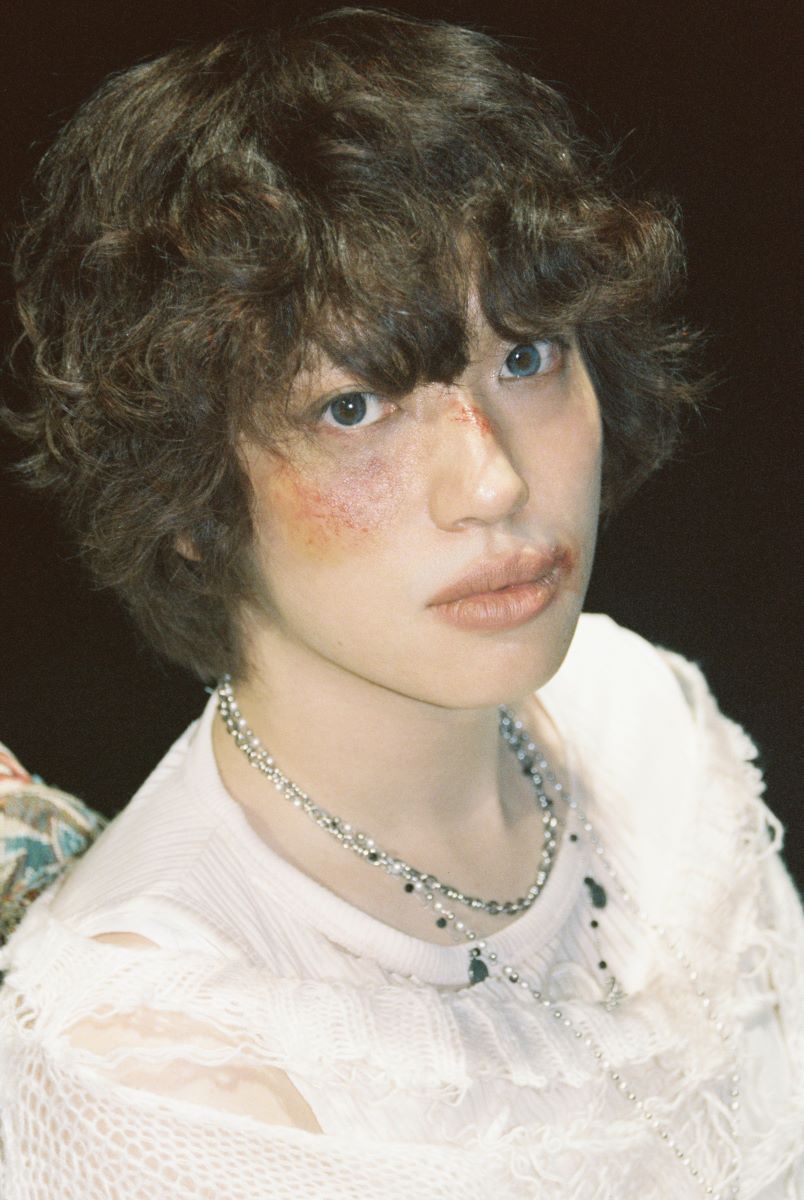
VOA: Many artists release albums with a commercial focus, but SHE feels purposefully inward. Was there ever a conflict between your artistic expression and industry expectations – or was this album made entirely on your terms?
NIEL: Not exactly industry expectations, but I was concerned whether fans would like this album. I think I had a lot of inner conflict between the music I wanted to do and the music I thought fans would like. But as I was working on the album, I think I found the balance in the tracklist composition, and I gained confidence that if I stay true to myself then the fans will be able to feel that and enjoy the album as well. Because of this I think this album feels even more special to me.
VOA: Lastly, what’s something you discovered about yourself in the process of making SHE – as a vocalist, a storyteller, or even just as NIEL, the person?
NIEL: This was the first time working on every single step of making an album, from the entire tracklist to the album concepts, promotion, and contents. Every step of the way I learned something new about myself. In order to explore a different genre from my previous work I tried to use my voice in new and diverse ways, and I was in constant communication with my staff who were working on the album with me. I think I discovered a passion within me that I didn’t even know existed. We faced, and solved, a variety of problems throughout the process, and I felt a lot of respect and gratitude for the people I was working with. I think I’ve definitely grown a lot through this album!
Written and interviewed Maggie Gogler
Featured image courtsey of EL&D Entertainment
View of the Arts is an online publication dedicated to films, music, and arts, with a strong focus on the Asian entertainment industry. With rich content already available to our readers, we aim to expand our reach and grow alongside our audience by delving deeper into emerging platforms such as K-pop and Asian music more broadly. At the same time, we remain committed to exploring the vibrant and ever-evolving global landscape of film, music, and the arts, celebrating the immense talent and creativity that define these industries worldwide.

 VIEW OF THE ARTS