
On any given evening in South London, the area hums with endless possibilities. Move from Brixton to Peckham, from Deptford to Lewisham, and you’ll hear it: voices spilling out of basement studios, choirs rehearsing in church halls, and street performers singing their hearts out. London has always flourished with incredible artists from Black communities, many of whom too often go unnoticed, underfunded, or misunderstood until the rest of the world finally catches up. Still, those wonderful, frequently young artists persist. Even though Debbie, whose music holds you softly, has drawn the attention of the industry’s biggest players, having a powerful backer doesn’t guarantee success if it comes at the cost of losing yourself. Debbie worked hard to reach her dreams; she released sublime music and gained prominence through collaborations with Stormzy, Nines, supporting artists like Raye and John Legend, and hits like Is This Real Love? But where did it actually lead her?
Debbie returns now with The Rain Isn’t Over, an emotional single that is probably one of her most beautiful releases to date, born from grief and left untouched for years.
To understand how the piece returned, you first have to look at the quiet that came before it. And this song truly moved me to tears. “Thank you so much, I’m glad you’re enjoying the music,” she begins.
After parting ways with 0207 Def Jam, Debbie found herself adrift. The separation, she admits, was a shock to her system. “I felt pretty numb and honestly unsure of what I was doing or why I was doing it anymore,” she says. For years, like so many young artists moving through the harsh realities of the music business, her sense of success had become entangled with external approval.
“I realised I had attached far too much of my self-worth to the label. My ‘success’ was being determined by the approval and acceptance of others, and I didn’t like that. In response, I had to go back to my WHY. I asked myself why I was doing any of this? And, what was I trying to achieve? Once I established that for myself, it meant I could keep pushing forward with or without the applause. My purpose was too important to give up.”
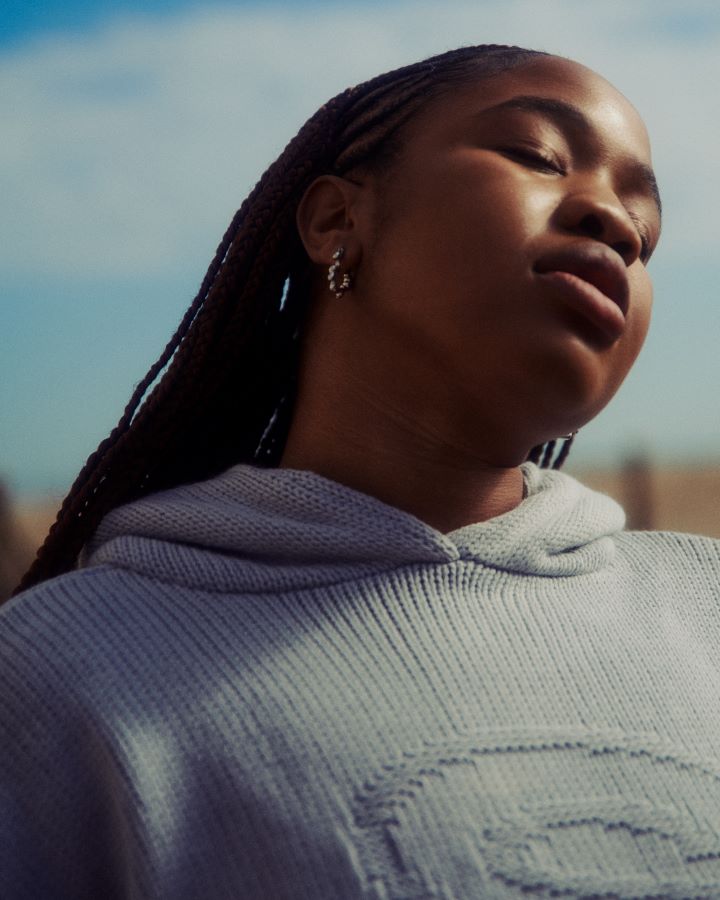
But when that scaffolding fell away, the harder question remained: why make music at all?
Her coping mechanism, at first, was to block everything out. But numbness has a way of cracking. One day, in an unplanned session with longtime friend and collaborator Hannah V, the past resurfaced in the most literal sense. They stumbled across old demos buried in a hard drive; songs half-remembered, ghosts of earlier selves. One file stopped her cold – The Rain Isn’t Over. They had recorded it just days after her mum passed away. “That stopped me in my tracks,” she recalls. Listening back felt like time travel, like meeting a younger version of herself suspended inside grief.
Listening again, she heard not just sadness, but distance. “It reminded me how everything in life passes,” she says. “There was a time when grief was at the centre of everything I did… and now, not so much.” She repeats a mantra she carries with her like a small stone in her pocket: this too shall pass, it’s just a minor tear. In that moment, sitting in the studio, the phrase rang truer than ever. The song didn’t only capture her pain, but also shown that she survived.
What’s really beautiful about The Rain Isn’t Over is how little it tries to resolve anything. It stays quiet, almost stubbornly so. When asked whether that restraint was intentional, Debbie shrugs gently: “That wasn’t intentional… I think that’s just what the song wanted to be.” It’s an answer that reveals a lot about her relationship to music now.
In many ways, the song chose its own moment. Debbie speaks about intuition with a kind of reverence, as if it were a fragile signal easily drowned out by industry noise. “We can plan and plan all we like,” she says, “but there is something about being surrendered to the process and accepting that the path will reveal itself in time.” The lesson she’s learned is to listen – really listen – because instinct is powerful but quiet.
That philosophy influenced what came next. Instead of waiting for the perfect rollout or perfect campaign, Debbie did something braver. She began a 90-day creative challenge, posting unreleased demos every day directly to her community. In an industry focused on perfection (and often fakeness), such honesty felt rebellious, yet it worked. Clips of The Rain Isn’t Over spread naturally across Instagram and TikTok, gathering millions of views and hundreds of thousands of comments. Listeners recognised themselves in its narrative, including myself.
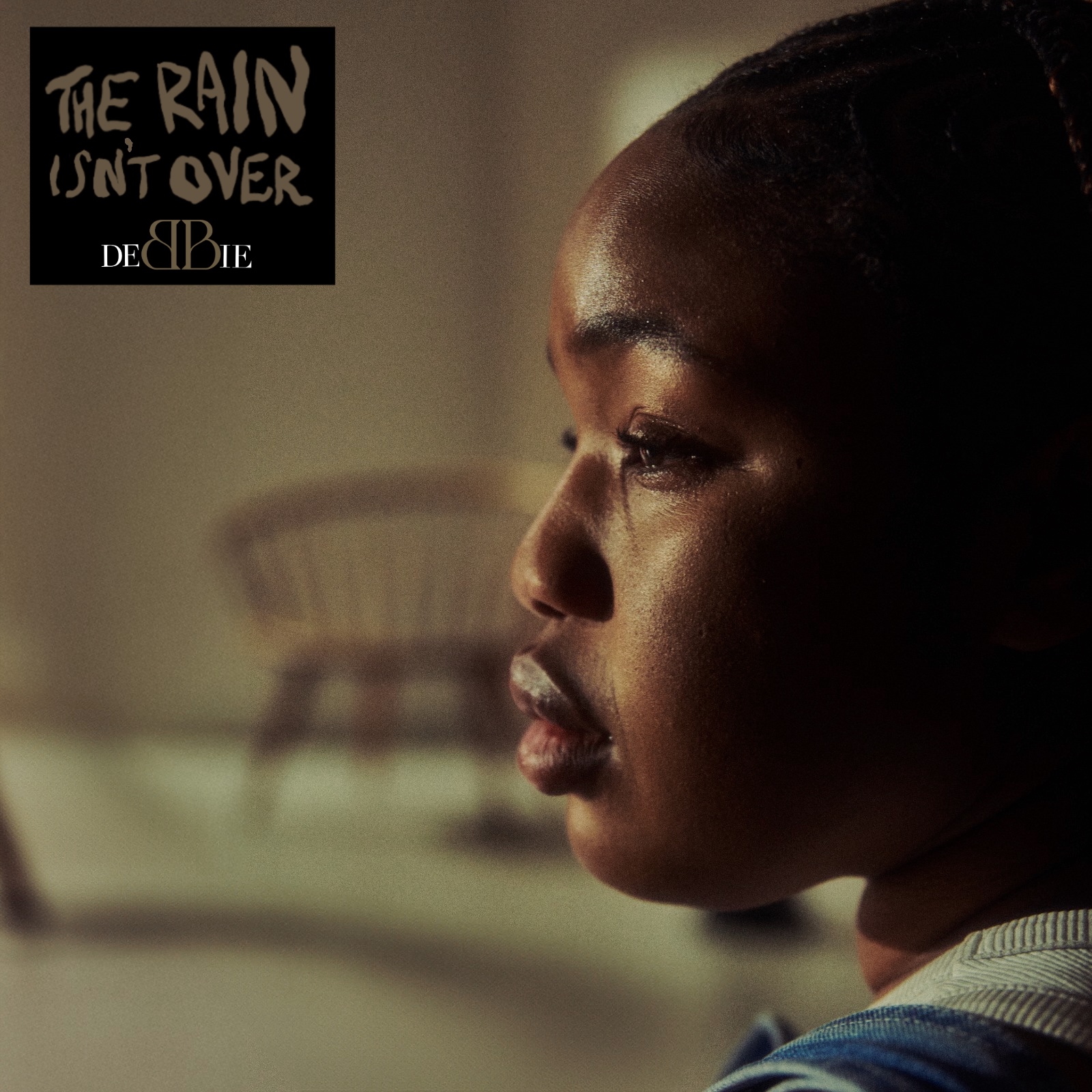
What did that teach her? “I learnt to trust the gift and the music I have,” she says simply. “No need to overcomplicate it – just create and share.”
It’s a paradox: a song created in isolation, just after her mother’s death, ended up helping other people heal. Debbie doesn’t intellectualise it. “I think most things in life are built in solitude before being shared with others,” she says. Maybe that’s just the cycle. Maybe that’s how art has always worked. You sit alone with the ache, and somehow it becomes everybody’s.
Though she’s worked with heavyweights like Stormzy and Nines, this chapter feels more reflective. Collaboration gives clear goals; solo work requires her to define her own. “On my own, I have to create the goal and define the standards,” she explains. It’s harder, yes, but also freer; there’s no one else’s story to follow, only her own.
The phrase leading this new era started as a project but grew into a way of seeing life. As Debbie puts it, “This too shall pass, it’s just a minor tear,” a mantra that reminds her that everything – anxiety, stress, doubt – is temporary. The point, she says, is to keep showing up, trust the process, and protect what matters most.
Debbie is clear about what she’s letting go of: the need for external approval, dependence on others for stability, and constant overthinking. What she’s holding onto is simpler but stronger. As she explains, “I want to protect my creative intuition, my service to my community, and my faith.”
And maybe that’s the real story. Not just a single, not just a creative comeback, but a taking back of her own voice. In a city full of overlooked talent, Debbie proves you don’t have to scream out loud to be heard; sometimes you just need to speak the truth confidently. With The Rain Isn’t Over, she illustrates that healing doesn’t have to be dramatic. It’s hard, but it’s possible, and in that effort, there’s hope that lasts.
Written and interviewed by Maggie Gogler
Featured image courtesy of NWSPK
View of the Arts is an online publication dedicated to film, music, and the arts, with a strong focus on the Asian entertainment industry. As we continue to grow, we aim to deepen our coverage of Asian music while remaining committed to exploring and celebrating creativity across the global arts landscape.


