
Before cinema’s advent in the Philippines, theatrical traditions thrived through indigenous rituals and Spanish-imported zarzuelas and vaudeville. These laid the cultural groundwork for the cinematic evolution to follow. The country’s first public film screening occurred in 1897 under Spanish auspices, marking a watershed moment for Philippine entertainment. By the turn of the century, cinema rapidly became a vital cultural medium, with the Lumiere Cinematograph’s introduction and Antonio Ramos’ pioneering productions like Panorama de Manila.
Filipino ingenuity emerged with the making of local films, including Rose of the Philippines (1909) and José Nepomuceno’s Punyal na Ginto (1933), the first fully sound film. The Golden Age of Philippine cinema (1950s–60s) elevated its global stature, with films like Genghis Khan earning critical acclaim. The transition to colour films represented a major milestone in the industry’s technical progress, albeit under the weight of government censorship and taxation.
In recent decades, Philippine cinema has entered a renaissance, driven by independent filmmakers and global recognition at prestigious festivals. Directors such as Lav Diaz (Norte, The End of History, The Halt) and Brillante Mendoza (Ma’ Rosa) have created impactful films with personal and socially aware stories and presented their works at Cannes, Berlin, and Venice.
Mainstream cinema, meanwhile, continues to thrive with blockbuster romances, comedies, and action films. Studios like Star Cinema and Viva Films dominate the box office while streaming platforms such as Netflix and Prime Video have expanded Filipino content globally. Not long ago, hits like Hello, Love, Goodbye, and Four Sisters Before the Wedding depicted contemporary themes while catering to younger audiences.
Philippine cinema is also embracing digital transformation, with filmmakers experimenting with genres like horror (Eerie), sci-fi (Maria), and animation (Hayop Kal). Streaming services have offered an avenue for creative exploration, especially during the pandemic when traditional theaters faced closures. Without a doubt, Philippine cinema remains a resilient force. By blending history, artistry, and global collaboration, it continues to tell stories that celebrate and challenge the complexities of Filipino life.
I’ve always felt that the world of acting chose me – every character I’ve portrayed, every film or TV project I’ve worked on.
Philippine cinema also displays incredible talent, from veteran actresses like Gloria Sevilla, Susan Roces, and Sharon Cuneta to the younger generation, including Nadine Lustre, Shaina Magdayao, Julia Montes, Jane De Leon, and Angel Locsin. With such a wealth of talent, the future of Filipino cinema looks incredibly promising.
Not long ago, we were privileged to sit down with Shaina Magdayao and discuss her acting career in great detail.
Having begun her career at a young age, Shaina quickly became one of the most sought-after actresses in Philippine cinema and television. Her acting career is filled with many roles that present her ability to adapt to different genres and characters. Her appearances in youth-oriented shows characterised Shaina’s early days in the industry, but it was her transition to more mature and complex roles that truly showed her acting skills.
Shaina’s career began with her participation in a variety of successful television dramas. She has starred in beloved series such as Ikaw Ang Lahat Sa Akin, Rounin, Kambal Sa Uma, Lobo, Kung Ako’y Iiwan Mo, and Asintado. Each role has allowed her to explore different facets of her acting abilities, firmly establishing her as a household name in the Philippine entertainment scene.
In addition to her television work, Shaina has made significant contributions to the film industry. Her performances in movies like Four Sisters and a Wedding and On The Job: The Missing 8 have been particularly interesting. The latter film proved that she could tackle complex characters, earning her widespread recognition.
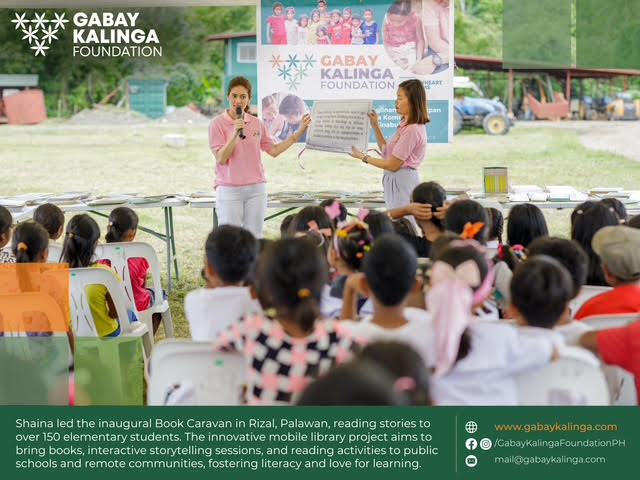
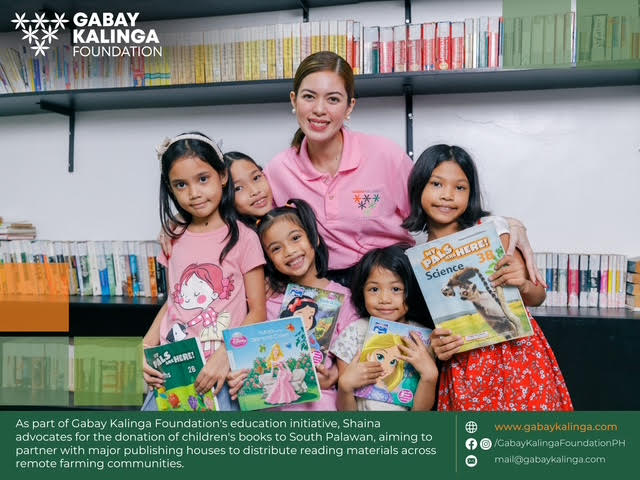
Outside of her acting career, Shaina is an avid traveler with a great appreciation for global cultures. She runs a separate Instagram account where she shares her experiences with international cuisine, wine, and culture, giving her fans a peek into her adventures around the world. Shaina is also actively involved in philanthropy. She is now part of a foundation called GABAY KALINGA, which focuses on uplifting the lives of the Indigenous Peoples of the Palaw’an tribe and the coconut farmers in the South of Palawan around Mount Mantalingahan. The foundation’s primary focus is on education and health, aligning with Shaina’s mission to use her voice and influence for good.
Currently, Shaina has two unfinished films and hopes for more invitations from international festivals. While she keeps her future projects under wraps, her love for her craft and her humanitarian efforts continue to make her a respected and admired figure in the industry.
I’ve always felt that the world of acting chose me – every character I’ve portrayed, every film or TV project I’ve worked on.

View of the Arts: You’ve been recognised as one of the finest Filipino actresses of your generation, transitioning beautifully from a child star to a critically acclaimed performer. How has your approach to acting evolved over the years?
Shaina Magdayao: First of all, I would like to thank you for appreciating the work I have been doing! Growing up in show business, especially from such a young age, has undoubtedly shaped my understanding of the world in ways I never expected. With my older sister being a singer/actress, I grew up on film sets since I was a baby (did my first commercial at 10 months old and my first title role at 6 years old), which made this chaotic yet fulfilling world feel like “home”. Being a sensitive kid though, becoming a dramatic child star felt natural. I often say I “cry for a living” since my projects leaned towards drama.
At 35, my approach to acting has evolved into something much deeper and more intentional – almost spiritual. I’ve developed a profound respect for the craft, and each project I take on feels purposeful. Saying “yes” now is not just about work, but about contributing meaningfully to the industry in my own little way. There’s clarity and intention behind every choice, and I find fulfillment in showing up, giving my all, and being part of something greater than myself. The journey has shifted from simply performing for my own satisfaction to creating and connecting in ways that truly resonate with me, through my job.
VOA: From television dramas to films competing at international festivals, your portfolio spans a wide range of genres. How do you choose your projects, and what draws you to a particular role?
SM: I’ve always felt that the world of acting chose me – every character I’ve portrayed, every film or TV project I’ve worked on. Of course, there were times in my youth, during seasons of burnout and personal struggles, when I questioned the purpose of it all. Moments of doubt made me wonder if this path was truly meant for me. However, with a renewed passion for the craft, I’ve come to peace with the fact that this is my destiny and choose to recognize how blessed I am. I’ve also developed a deeper respect not only for the art itself but for the people behind it – the filmmakers, the crew, and everyone who brings these stories to life. Now, more than ever, I am filled with gratitude. All I need to do is say ‘yes.’ As long as there’s a filmmaker who believes in me and in what I can bring to the table, I will continue to say yes, embracing each opportunity with purpose and gratitude.
VOA: In Lolo and the Kid, your latest Netflix project, what aspects of the character or story challenged you as an actress, and how did you prepare for the role?
SM: Every project comes with its own set of challenges, but this particular role-playing a cameo as a compassionate young wife and mother – was more of a pleasure than a challenge. The lead actor, one of the most respected in the industry, was someone I had worked with before, so it felt like a breeze. One thing that keeps me in this industry though, is the magic of collaboration. There’s something incredibly special about coming together with people you’ve worked with in the past on and off camera, people you respect and enjoy being around. It’s not just about the role, it’s about creating something special with a group of people who share that same passion. I find that sense of connection both motivating and inspiring!!!
VOA: You’ve worked extensively in both television and film. What do you see as the key differences between acting for TV and the big screen, and do you have a preference?
SM: Growing up, the disparity between film and TV was more distinct. Even acting wise since the Philippines patterned their TV shows after Mexicanovelas/Mexican soap operas. But today, that line is becoming blurrier than ever. With social media and streaming platforms, TV series can now be watched over and over. Platforms like Netflix have set the bar high with their top-tier shows and big budgets, further closing the gap between the two mediums. I’ve fortunately experienced both, so it’s hard to choose which one I prefer [laughs]. I’ve been acting for TV since I was a kid but there’s also still something uniquely magical about films, right? I mean watching a film on the big screen with a group of strangers, all experiencing the same emotional ride together. It’s a shared experience that taps into something universal and that resonates with us as people.
VOA: Filipino cinema has been gaining increasing recognition on the global stage. What do you think has driven this rise, and how do you see it shaping the future of the industry?
SM: Having had the privilege of attending international festivals and learning so much from the global scene, especially under the guidance of my mentor and maestro, Lav Diaz, I’ve always believed that Filipinos have the potential to shine in their own unique way. We just need the right exposure and opportunities to showcase our talents. Thankfully, the doors of global cinema are now opening, with the world beginning to take notice of Filipino stories, actors, and projects. I was fortunate to have had the opportunity to guest star on the LA-produced TV series Almost Paradise for its second season which aired in 2020. The show used the Philippines as its location while providing jobs and opportunities to many Filipino talent and crew members.
Working with a filmmaker like Lav Diaz is a transformative experience as a person and as an artist.
VOA: You’ve been part of hit TV shows like Nathaniel and The Better Half that echoed with a lot of viewers. What’s the secret to making a character connect with the audience?
SM: It still is a great challenge for me honestly, but I believe this job requires vulnerability and sincerity to portray a role truthfully. Being an actress calls me to be both an observer and an empath. Shows like Nathaniel and The Better Half were bought by a few countries in Africa and Malaysia, and they continue to touch the lives of many. These stories resonate because they tackle universal themes – the struggles of love, family, womanhood, loss, and, above all, hope. It’s something we can all relate to, regardless of where we come from. I’m truly lucky to have a job that allows me to be able to explore, learn, and understand life and humanity more.
VOA: You’ve represented Filipino cinema at international film festivals with movies like Season of the Devil and The Halt. How does it feel to present your work on a global stage?
SM: Working with a filmmaker like Lav Diaz is a transformative experience as a person and as an artist (I didn’t know much about the global world before I knew him) – he broadens your perspective as an artist by educating you while also allowing the space to collaborate. I always say that I don’t just work for him, but “with him”. I also think of myself as one of his instruments to be able to tell his stories better. Honestly, representing the country and presenting our films globally is something I never really thought possible, so it’s rewarding especially when foreigners appreciate and understand your work. Most of all, it is truly humbling and inspires me to want to learn more to be able to hopefully contribute more in my little way.
VOA: Looking back on your career, are there specific roles or moments that you consider important in shaping your journey as an actress?
SM: Looking back, I realised how fortunate I was to attend one of if not the best drama schools – a true “university” of TV and film sets. Every project, every character I’ve portrayed, and every director who trained, corrected, and taught me, has played a huge part in shaping who I am as a person and actress. Equally, the actors, crew, staff, and people from all walks of life I’ve encountered along the way have all been sources of inspiration, and sometimes heartbreak too [laughs], since this business can be cruel at times I see these experiences as lessons that have helped shape me. Each experience has contributed to the woman—and artist—I’ve become today.
VOA: With so many awards to your name, do you feel a sense of pressure to continuously raise the bar, or does it fuel your passion for storytelling?
SM: For me, it was and never will be just about recognition. Of course, it is flattering but this is a job that requires a team for it to work. It’s about sharing our stories with the world and conversing with our viewers. When I worked with EpicMedia last year, our four-short-film omnibus, which premiered at the 2024 Cannes Directors’ Fortnight, was shot entirely in the Philippines. The project brought together four Filipino filmmakers and four Southeast Asian filmmakers, and seeing it on the global stage was profoundly meaningful. It was inspiring, yes, but mostly humbling. Instead of feeling pressured, I found myself embracing the opportunity to learn more. Working with filmmakers locally and now, globally, has been refueling my passion for the craft.
VOA: Who or what inspires you most when preparing for emotionally demanding roles?
SM: The core of the character is what truly captivates me so the script and the character’s arc are important. I’ve always been fascinated by psychology and would have pursued it had I taken a different path. But in acting, it’s the character’s perspective, personality, strengths, and often their weaknesses or flaws, that intrigue me most. I’ve learned not to judge my character, but to love it enough to understand it to be able to sincerely live and breathe it—to fully immerse myself in their world. Understanding the character from the inside out is what makes each role so interesting to me.
VOA: Your passion for travel is evident on your separate Instagram account, where you share moments of food, wine, and culture. How does traveling and exploring new places influence your perspective as an artist?
SM: I’ve always been a curious traveler, constantly observing the world around me. I’m fascinated by different people, cities, cultures, and of course, food. Growing up, my work was centered in the Philippines, and so I’d reward myself with travel during my annual birthday leave! Fortunately, in recent years, my work has given me the chance to travel more widely, taking me to different countries and allowing me to learn from diverse co-workers and filmmakers. Each new place or each new encounter gives me a fresh perspective. Now, with the international festivals I attend, I’ve gained the privilege of absorbing everything “global cinema” and also the richness of different storytelling styles, mediums, and approaches.
I’ve always been a curious traveler, constantly observing the world around me. I’m fascinated by different people, cities, cultures, and of course, food.

VOA: If you were to create a project inspired by your travels, what kind of story or theme would you want to explore?
SM: Maybe I can share my personal story and journey? How traveling was, at first, an escape. But after my first “solo travel/soul searching” I realised that travel doesn’t just mean escape BUT it was actually a key moment of transformation and self-discovery because of what I learned from encountering new cultures and countries … and spending time with myself. The project could reflect the idea that travel isn’t just about seeing the world, but about discovering parts of yourself along the way [smiles].
VOA: When you’re not working on a film set or traveling, how do you unwind and recharge?
SM: I love to travel and explore whenever I get the chance, especially during long breaks. On my days off, the Philippines offers beautiful beaches that I often visit but I also value quiet moments at home because my world can be chaotic (in a crazy, beautiful, and passionate way). As an introvert, I cherish spending time on my roof deck surrounded by my small forest, finding peace in the stillness. Lately, I’ve come to appreciate silence, mindfulness, and the healing that comes with slowing down and being fully present.
VOA: If you could sit down for a meal with any filmmaker or actor, past or present, who would it be, and why?
SM: It would definitely be with the three incredible actresses I love and look up to: Kate Winslet, Cate Blanchett, and Meryl Streep. I admire them not only for their extraordinary talent but also for the grace and integrity they bring to everything they do. They represent the perfect blend of versatility and class, but what I find even more beautiful is how they honour their personal lives as women and mothers, their gracefully aging beautiful faces and bodies, and the work they commit to. I always watch their interviews which only makes me love them more. They approach their projects and the people they work with with such humility, and that, to me, is what truly sets them apart.
VOA: We have just entered 2025, what can your fans expect from you? Any new projects in the pipeline?
SM: Hopefully more invitations from International festivals. I have two unfinished films at the moment and will leave it to the filmmakers to speak about them when the time comes. I am also now part of a foundation called GABAY KALINGA which works to uplift the lives of Indigenous Peoples of the Palaw’an tribe and the coconut farmers in the South of Palawan around Mount Mantalingahan. The primary focus is education and health. Using my voice and influence for good has always been my goal.
One of last year’s surprises was when I had the honour of being invited to join the main selection jury for the New York Asian Film Festival, and later in the year, I was asked to be part of the QCinema International short film jury. It’s ironic, really – at one point, I seriously considered leaving the industry, yet here I am, not just watching and appreciating films, but also studying them in my role as a juror. [Laughs] It’s especially ironic when I think back to my years as an actress when I was always on the receiving end of criticism. Now, I’m the one critiquing films. But I’ve come to realise that my experiences – both the challenges and triumphs – have prepared me for this new role. I’ve developed a deep understanding of the hard work, blood, and sweat that goes into making a film. So, from being an actress to a juror, I guess this is the universe’s way of telling me I still have work to do.
As a TV and film actress though, Wherever I am still needed, whether in the Philippines or abroad, I’m saying YES to the possibilities! In 2025, I’m embracing the opportunity to continue to be part of global cinema as a proud Filipina and all the growth and connections that come with it.
Written and interviewed by Maggie Gogler
Images courtesy of Star Magic
View of the Arts is an online publication dedicated to films, music, and arts, with a strong focus on the Asian entertainment industry. With rich content already available to our readers, we aim to expand our reach and grow alongside our audience by delving deeper into emerging platforms such as K-pop and Asian music more broadly. At the same time, we remain committed to exploring the vibrant and ever-evolving global landscape of film, music, and the arts, celebrating the immense talent and creativity that define these industries worldwide.

 VIEW OF THE ARTS