
What began in the spring of 1998 as a bold and somewhat puzzling experiment has grown into one of Europe’s most important showcases of Asian cinema. When the Centro Espressioni Cinematografiche (CEC) in Udine shifted its focus from Italian retrospectives to a programme dedicated to Hong Kong films, few could have predicted the outcome. Yet that leap of faith proved transformative. Within a year, the initiative expanded, rebranded, and evolved into the Far East Film Festival (FEFF), laying the foundation for a decades-long cultural connection between Italy and Asia.
Now in its 28th edition, the festival continues that journey with a new ambition. This year’s programme features 76 films from 12 countries, including 52 in competition and 24 out of competition. The line-up is rich with premieres: eight world debuts, 18 international premieres, 22 European premieres, and 20 Italian premieres, offering a sweeping overview of contemporary Asian cinema. While popular filmmaking remains at its centre, the selection also embraces auteur works and tributes to the past, reflecting the diversity and evolution of storytelling across the region.
Over the years, FEFF has been shaped by passion, persistence, and an enduring curiosity about Asia’s many identities. What once felt like a David-and-Goliath challenge, connecting a small Italian city with vast Asian metropolises, has become a continuous and fruitful dialogue. From the outset, the festival recognised that the “Far East” is not a distant, monolithic entity, but a mosaic of cultures, histories, and perspectives. That idea lies at the heart of this year’s edition.
The visual identity for FEFF 28, created by award-winning American illustrator Andy Rementer with art direction by Margherita Urbani, captures this spirit. Through a vibrant array of faces, the artwork symbolises the plurality of voices and experiences that define both the festival and the films it presents. It is a celebration of togetherness in an increasingly fragmented world, where cinema serves as a shared space for connection.
Two major figures of Asian cinema will be honoured with the Golden Mulberry for Lifetime Achievement. Chinese star Fan Bingbing, a long-time presence at the festival since the early 2000s, returns to Udine alongside Japanese actor Koji Yakusho, internationally acclaimed for his performance in Wim Wenders’ Perfect Days, which earned him the Best Actor award at Cannes. Yakusho will also be the focus of a special retrospective titled Perfect Roles, featuring some of the most significant films of his career, including The Eel, 13 Assassins, and Tampopo. The tribute is organised in collaboration with The Japan Foundation and will extend beyond Udine to Rome.
Running from April 24 to May 2, the festival will once again transform Udine into a vibrant hub of Asian culture. Screenings will take place from morning until evening at the Teatro Nuovo “Giovanni da Udine” and the Visionario cinema, accompanied by a packed programme of talks, industry events, educational initiatives, and cultural activities. More than 100 events will animate the city’s “Asian Zone,” while parallel sections such as Focus Asia, Bambù, and FEFF Campus will cater to industry professionals, journalists, and students alike.
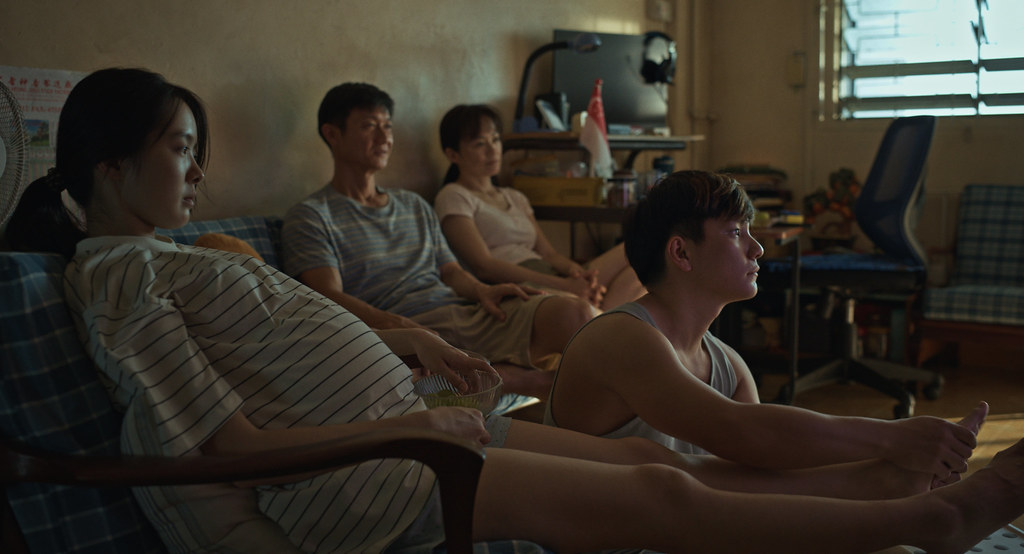
The festival opens with We Are All Strangers by Singaporean director Anthony Chen, a powerful family drama set in the ever-evolving city-state of Singapore. The film explores personal relationships against a backdrop where futuristic architecture coexists with deep-rooted traditions. Actress Yeo Yann Yann will be present in Udine to introduce the screening. In a rare occurrence, Singapore is represented by three films in the same edition, joined by Ah Girl by Geck Priscilla Ang and The Old Man and His Car by Michael Kam. The closing film, to be announced on April 8, will be preceded by the Vietnamese title Blood Moon Rite 8, a remake inspired by the cult favourite One Cut of the Dead.
Vietnam emerges as one of the most surprising highlights of the 2026 programme. In recent years, the country’s film industry has undergone rapid expansion, with the number of cinemas increasing dramatically and box office revenues soaring. Four Vietnamese films in the line-up reflect this momentum, ranging from historical drama to action and genre cinema, signalling the arrival of a new major player on the global stage.
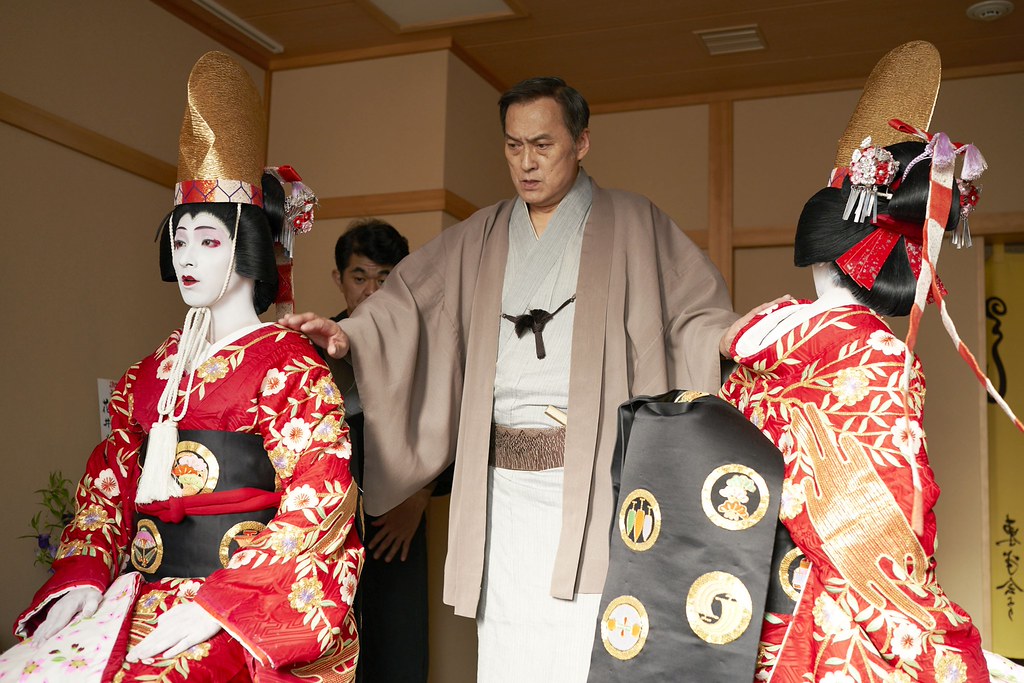
Among the most anticipated titles is Kokuho – The Kabuki Master, directed by Lee Sang-il and adapted from the acclaimed novel by Yoshida Shuichi. The film, a visually striking and emotionally charged epic spanning 50 years, explores themes of art, ambition, friendship, and love. Following its festival screening, it will be released in Italian cinemas on April 30. Lee Sang-il will attend the festival, where his earlier work Hula Girls will also be revisited two decades after its debut in Udine.
Japan features prominently in the programme, with the return of actress and personality Megumi, who will host a “Japan Night” and present the world premiere of the drama Fujiko. South Korea, after a challenging year for its film industry, makes a strong comeback with The King’s Warden, a historical blockbuster that has already attracted over 15 million viewers, and The Seoul Guardians, a documentary exploring the declaration of martial law in December 2024.
Hong Kong cinema, long a cornerstone of the festival, continues to evolve. While commercial productions remain popular, there is a growing shift toward more intimate, independent storytelling that reflects the social changes shaping the former British colony. This blending of genre and arthouse sensibilities is evident across both emerging filmmakers and established directors.
Another addition to this year’s programme is Vertical Stories, a section dedicated to micro-dramas designed for smartphone viewing. These short, vertically formatted narratives represent a rapidly growing form of audiovisual storytelling, changing how content is produced, distributed, and consumed. Curated by long-time FEFF consultant Roger Garcia, the section will show the creative and industrial implications of this trend.
As always, audiences will play a central role in determining the festival’s winners, voting for the Golden, Silver, and Crystal Mulberries. Additional awards, including the White Mulberry for best debut and the prize for best screenplay, will be decided by specialised juries composed of international industry figures.
Extending its reach beyond physical venues, the festival will also offer a curated selection of 14 films online, in collaboration with MYmovies, allowing viewers to engage with the programme remotely.
Far East Film Festival has remained true to its founding vision: to explore, celebrate, and connect the many voices of Asian cinema. In its 28th edition, that mission feels more vital than ever, as Udine once again becomes a meeting point for stories that span continents and cultures.
Image courtesy of FEFF
Information provided by the FEFF
View of the Arts is an online publication dedicated to film, music, and the arts, with a strong focus on the Asian entertainment industry. As we continue to grow, we aim to deepen our coverage of Asian music while remaining committed to exploring and celebrating creativity across the global arts landscape.

 VIEW OF THE ARTS