
JUNHEE, a member of the beloved K-pop group A.C.E, has worked incredibly hard to reach where he is today. Although his solo career is still in its early stages, he has already shown that he has no intention of pausing. One thing that has always impressed me is that, whether with A.C.E or as a solo artist, he has never released music without purpose. With his latest LOVE METHOD, a nine-track EP, JUNHEE explores love from every possible angle, from the excitement of new feelings to regret, healing, heartbreak and hope.
Opening with the warm 5 STARS, JUNHEE shows that the best moments in life are often the simplest ones, especially when they’re shared with someone you love. That feeling doesn’t last for long, though. The title track, LA LA LA LUNE, takes the album in a completely different direction, exploring the regret of only realising someone’s true value once they’re no longer there. The moon and the fog become symbols of memories that continue to follow us, no matter how hard we try to leave the past behind. It’s a beautiful reminder that sometimes the people we miss the most are the ones we didn’t fully appreciate until it was too late.
What I enjoyed most about the EP is how each song has its own personality. GET OUT, featuring WOW, comes with a lot of attitude; Lemonade wants you to dance regardless of the lyrics, and OMW, with Kim Min Jae, is simply beautiful from start to finish. Then the album slows down with Wonder Why, a song about being there for someone when they need you most.
With Medicine, JUNHEE turns the spotlight onto the people who have stood beside him from the very beginning. Dedicated to his fans, C.C. is his own way of saying thank you for believing in him, especially in moments when he struggled to believe in himself.
The EP closes with At Least, I Tried and Forever Young, two songs that are hard to forget. While the former reflects on accepting the end of a relationship despite giving it everything, the latter offers words of encouragement to both his younger self and anyone still trying to find their place in life.
Musically, LOVE METHOD is equally ambitious and deserves a five-star rating. JUNHEE worked alongside a great team of producers and songwriters whose credits include collaborations with artists such as David Guetta, Kylie Minogue, LE SSERAFIM, aespa, ZEROBASEONE and ONEW.
To celebrate the release, View of the Arts recently sat down with JUNHEE for an in-depth interview. Together, we spoke about the making of the EP, the stories behind each song, what love means to him today and collaborating with producers from across the global music industry.
I really wanted to make it clear that love does not equal happiness. I think love includes everything, including pain, separation and hurt. And I believe it’s up to each person whether they choose to see those things as misfortune or as happiness.
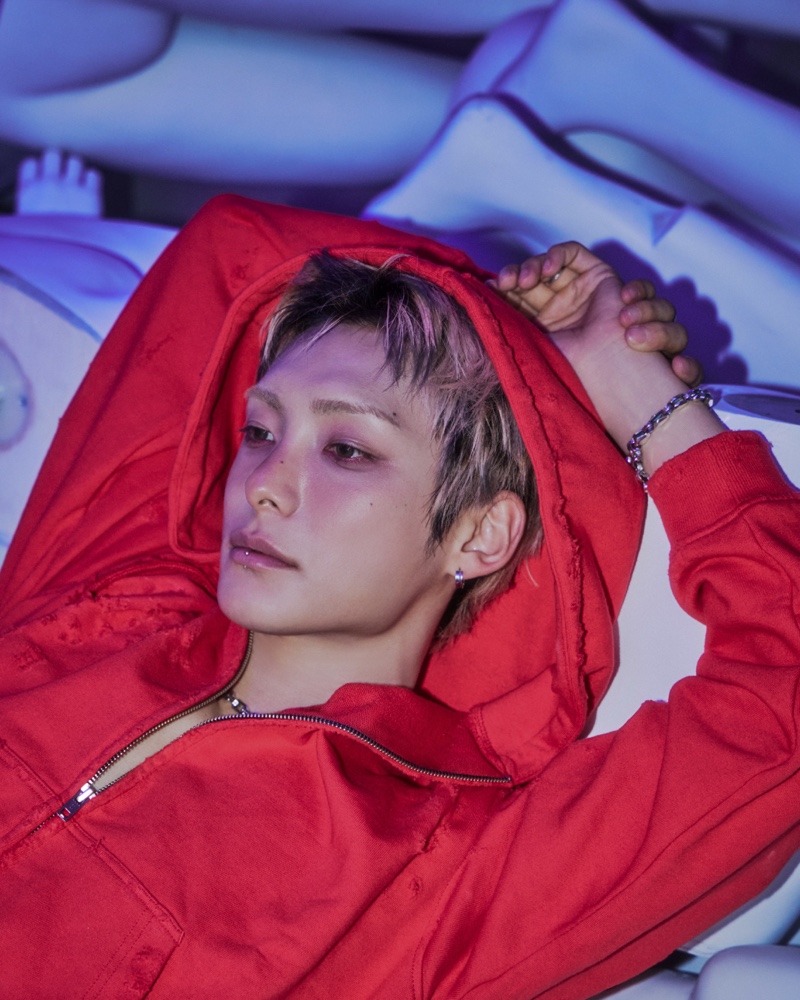
View of the Arts: You describe LOVE METHOD as a story about the many ways you express love. So I have to ask… what is “JUNHEE’s love method”? Has your definition of love changed over the years?
JUNHEE: The ‘love method’ as I understand and feel now is accepting someone as they are, being patient and waiting for them, and giving back to them what I’ve received. I often find myself thinking that in our busy modern lives, we sometimes forget these things. And at some point, I realised that what matters more than what we have or don’t have, or whether we live well or not, is the value of how we choose to live alongside other people and what kind of heart we have towards them.
VOA: One thing that really hit me while listening to the EP was that it doesn’t only celebrate love. It also talks about regret, distance, healing and letting go. Was it important for you to show that love isn’t always a happy emotion?
J: Exactly. I really wanted to make it clear that love does not equal happiness. I think love includes everything, including pain, separation and hurt. And I believe it’s up to each person whether they choose to see those things as misfortune or as happiness. When everything is over and you look back at yourself, you can eventually understand all of it. And if that’s the case, I think what I wanted to say was that I had loved it all, embracing even those moments and the journey I went through.
VOA: You worked with producers who have collaborated with artists from the global pop scene and K-pop. How did those different musical backgrounds influence LOVE METHOD, and were there moments when you had to fight for your own creative vision?
J: This part was really interesting to me throughout the creative process as well. Everyone had different genres they were good at, different sounds they were good at creating, and different songwriting and production styles, so I actually liked that the songs ended up coming from such a variety of perspectives and styles. And more than anything, what I consistently talked about with the producers and wanted to maintain until the very end was that I wanted everything to start from our perspective and feelings about what we believe love is.
VOA: Listening to the album is like reading chapters from the same book. Did you already know the story you wanted to tell before writing the songs, or did the narrative reveal itself as the album came together?
J: First, I decided on the main theme I wanted to emphasise most in this album, and then started making the album around it. I think I created the songs by exploring it through different perspectives and situations, with love as the overarching theme. I believe all of these stories are my own, but at the same time, they can also become everyone’s stories.
VOA: So let’s start from 5 STARS. The title is clever because “five stars” usually makes us think of luxury or perfection, yet your song suggests that ordinary moments become extraordinary simply because of who we share them with. Has there been a “five-star moment” in your own life that looked completely ordinary to everyone else?
J: Honestly, there are so many moments like that every day. It’s almost as if, when I take the time to really look, I realise there are so many moments I’ve been missing. Personally, while making this album, there were so many ups and downs with the small team of staff and producers I worked with, and there were many times when things got so difficult that I wanted to give up. But we really wanted to finish this album and put it out into the world. And after the release, I looked back on the process and at everyone else, and I really appreciated how precious the people I worked alongside are, especially after everything we went through together. That feeling of appreciation, and the sense of pride from accomplishing one goal together, have become some of the best moments for me, even if they were just fleeting moments.
Whether it’s a song about a breakup or a song about the excitement of being in love, I hope people can relate to them and that the album can become a small part of their everyday healing.

VOA: The transition from 5 STARS into LA LA LA LUNE is wonderful. The atmosphere changes completely. Why did you choose this song to represent the album as its title track?
J: The first thing was simply that I really loved the sound of the song itself. When I first heard it, the song structure was also something I hadn’t really tried before, and I felt like the sound matched the summer season really well. More than anything, when I thought about the stage performance as well as having it as the title track, I felt like this was the song that was the most accessible and the best fit.
VOA: LA LA LA LUNE uses the moon and the fog as recurring images. What do those symbols represent to you, and why did they feel like the right way to tell this story?
J: The moon is basically a symbol of the woman I am trying to forget. I wanted to express the feeling that I don’t want to see her, but somehow I still end up seeing her, just like how the moon rises every day. No matter how much I try to hide, she keeps lingering in front of my eyes, like this huge moon up in the sky. And the fog is a symbol of how I want to cover up and hide my own feelings through the fog, as I keep thinking about her and slowly breaking down and struggling because of it.
VOA: GET OUT feels almost like a reset button on the album. How did your collaboration with WOW come about, and what did he bring to the song that you couldn’t have achieved on your own?
J: First of all, I thought WOW was the person who could create that kind of vocal tone and atmosphere for the rap part better than anyone. At the same time, I felt like he was an artist who could really pull off the performance on stage as well, so I thought he was the perfect fit.
VOA: Wonder Why may be one of the quietest songs on the EP, yet it has one of its strongest messages: that nobody should suffer alone. What drew you to this song, and what does its message mean to you personally?
J: Wonder Why is one of my favorite songs on this album. That’s because it carries the message that runs through the entire album. The biggest thing I wanted to say through this song was, “I’ll be by your side unconditionally and purely. There’s no reason. It’s simply because I love you.” These days, people tend to think that if someone treats you well or says something kind to you for no reason, there must be some other reason behind it. And at the same time, sometimes you can feel this invisible wall between people because of that. I’m not talking about unconditional, one-sided love. It’s more like, “I’ll be here, so whenever you need me, just call me. I’ll believe in you, and I’ll wait for you.” I’m not any different from you, either, so let’s be that kind of person for each other. That’s one of the reasons this song is so special to me.
VOA: You dedicate Medicine to your fans, calling them your source of healing. If your fans are your medicine, what do you hope this album becomes for them?
J: I hope this album can be something that helps people heal emotionally. Most of the songs have a lot of positive sounds and messages in them. Whether it’s a song about a breakup or a song about the excitement of being in love, I hope people can relate to them and that the album can become a small part of their everyday healing.
I hope people get to recognise what JUNHEE, as a Korean artist, is capable of. And I hope they can see that there really is something distinctly different and special about Korean performance.
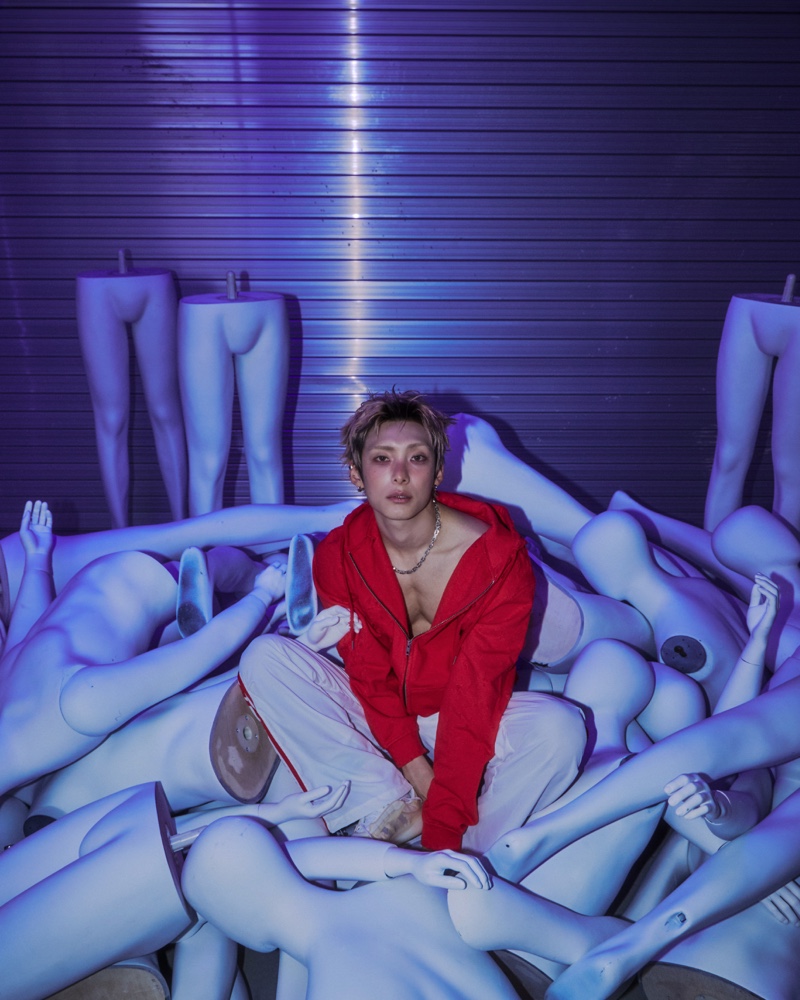
VOA: Forever Young was the song that stayed with me the most after I finished listening to the EP. If your younger self could hear it today, what do you think he would say to you?
J: It’s okay. Try everything you want to do until you have no regrets. And even if the things that are meant to happen take a little longer, there are no mistakes when it comes to timing, so you don’t have to be impatient. I’d tell myself, “I’ll be waiting for you in the future. Take your time and walk towards me slowly.”
VOA: You’ve recently been selected as one of the candidates to represent South Korea at the first Eurovision Asia 2026 with DEEP DIVE. Looking back at your journey – from A.C.E to your solo career and now this opportunity – what part of yourself do you hope audiences across Asia discover through your music that perhaps they haven’t seen before?
J: First of all, I hope people get to recognise what JUNHEE, as a Korean artist, is capable of. And I hope they can see that there really is something distinctly different and special about Korean performance. More than anything, DEEP DIVE was created entirely for the show. So I’d really appreciate it if people could understand that and just enjoy and love the show for what it is.
VOA: Watching your journey over the years, it’s been wonderful to see not only your growth as a musician, but also that you’ve never lost sight of who you are. After everything you’ve achieved, what continues to inspire you to make music, and what has helped you stay grounded throughout your career?
J: As a singer and musician, I have so many thoughts running through my head every day. But one of the biggest reasons I keep thinking that I want to continue making music is because I believe that in this life, I was born with a musical talent. I don’t mean that I was simply born talented; I think that by nurturing that talent over the years, I’ve developed my own abilities and strengths that are different from other people’s. And through those abilities, including the things I inherited from my parents, I want to create something and leave it behind before I die. Something that has my name on it and right now, that means music.
I’m still really enjoying that process; music makes me happy. In less than three minutes, it can make me feel emotions I’ve never felt before, and it can make me feel like I’ve experienced places I’ve never even been to. At least for me, that’s what music is right now. So I really want to share that beautiful thing with as many people as I can. I think all of those things have come together to make me who I am today, and I believe that the version of me that is most truly myself is probably the version that people want to see.
Written and interviewed by Maggie Gogler
Featured image courtesy of H&P Entertainment and PAN Entertainment
View of the Arts is an online publication dedicated to film, music, and the arts, with a strong focus on the Asian entertainment industry. As we continue to grow, we aim to deepen our coverage of Asian music while remaining committed to exploring and celebrating creativity across the global arts landscape.


