
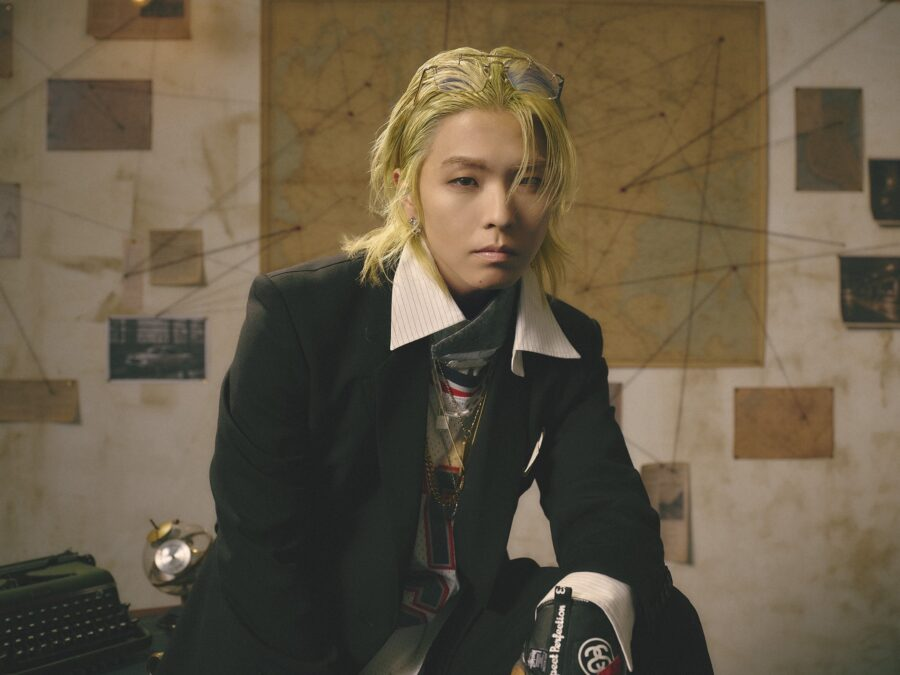
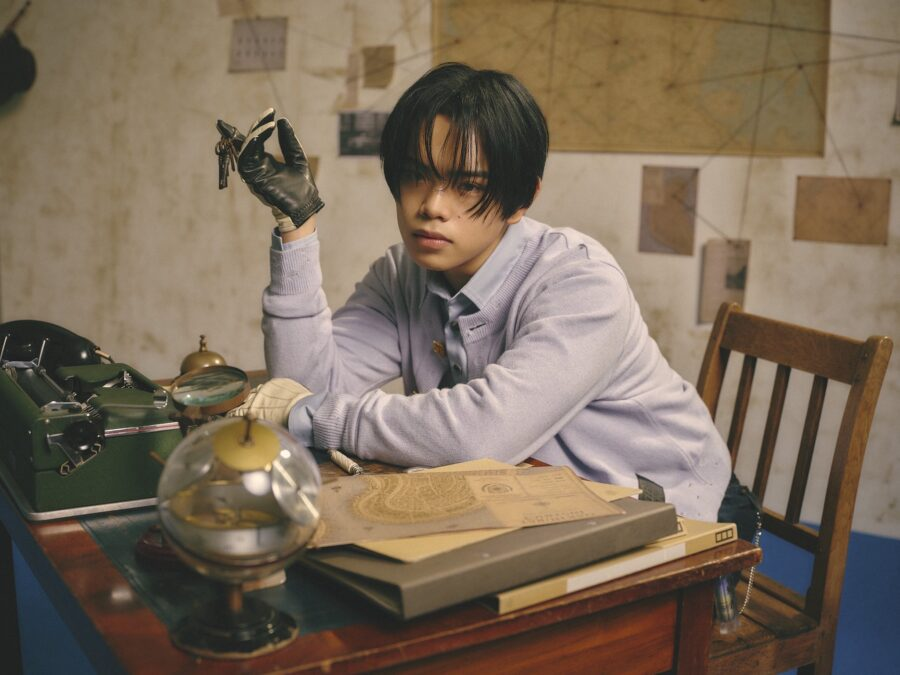
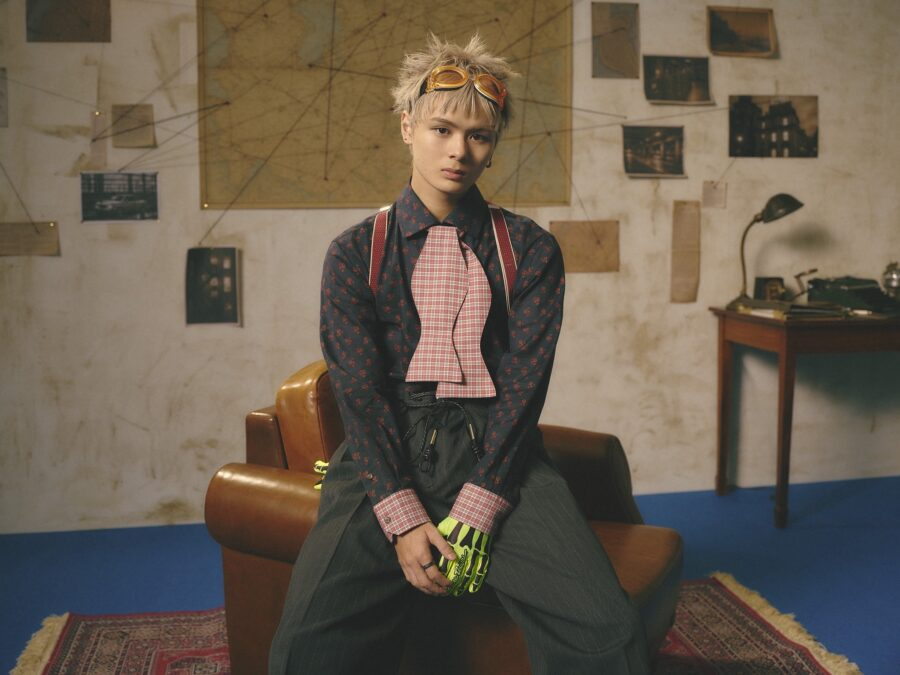
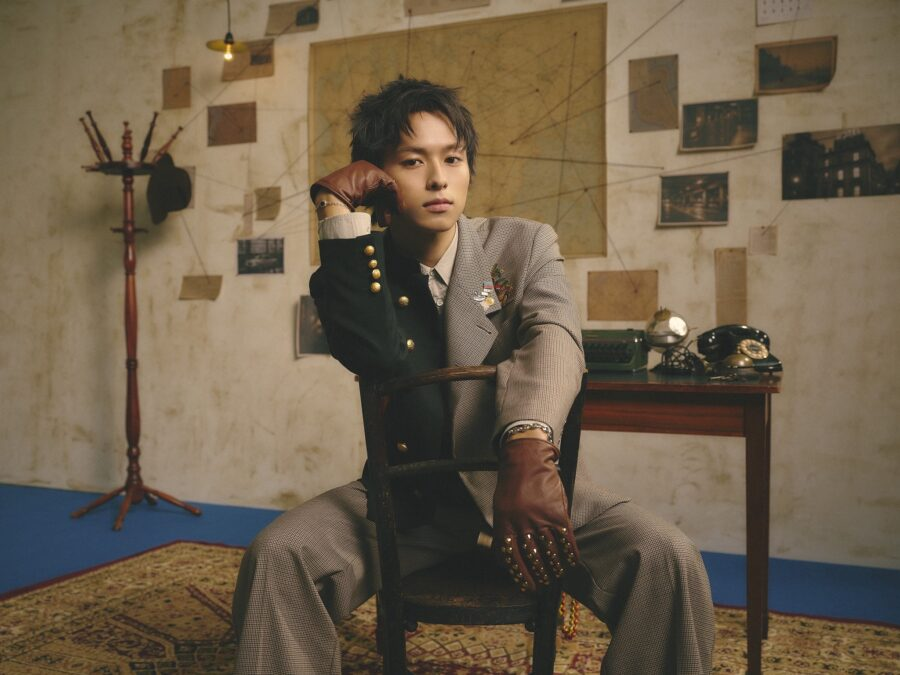
With seven different personalities, a passion for music and plenty of ambition, Japanese group KID PHENOMENON has a lot to offer. Bringing together hip-hop, J-pop and impressive choreography, the group has developed a sound and performance style that reflects each member’s individuality, while showing just how well they work together. And their musical concept, TOKYO NEO POP, is so good that you can’t help but look forward to what they will release next.
Their latest single, “I’m still breathing”, brings something rather different from the confidence and energy that we may associate with the group. The song explores difficult moments, self-doubt and the courage it takes to carry on when life becomes overwhelming, something the members themselves spoke about during our interview.
The song was also chosen as an ending theme for the anime Mission: Yozakura Family, and its message fits well with the story’s focus on family, friendship and supporting one another. Musically, it is powerful, but I like how the members aren’t afraid to show a more vulnerable side of themselves. They speak openly about their fears, insecurities and difficult experiences, acknowledging that even the strongest people have moments when they struggle.
KID PHENOMENON has already had the chance to perform outside Japan, including in Vietnam in 2025 and at SXSW in Austin, Texas, in March 2026. Hearing the members talk about these experiences, particularly how surprised they were to see people singing along to their Japanese songs and enjoying their performances, was really heartwarming. The seven members certainly have big ambitions, but they also understand that there is still plenty to learn, whether it comes to singing, dancing or simply becoming more confident on stage.
We recently had the pleasure of chatting with KID PHENOMENON for View of the Arts about their new single, the experiences behind its emotional message and the challenges of bringing such personal feelings into their music. We also discussed their connection to Mission: Yozakura Family, their interpretations of two much-loved anime songs, their experiences performing overseas and what the future might hold for the group.
Each of us respects their senses and styles, and that’s how we work together to create something that feels like KID PHENOMENON. I think what makes KID PHENOMENON special is that, with seven different perspectives, we can create across all kinds of genres – Kensuke
View of the Arts: Your new single, “I’m still breathing”, speaks about facing difficult moments and finding the strength to carry on. It’s a more vulnerable side of KID PHENOMENON than listeners might expect. Was it difficult to express those emotions so openly, especially when you’re used to showing confidence and energy through your music?
TSUBASA: When I was given the opportunity to work on this song, I started to make time to reflect on my past and inner self. Through that time, I realised that true strength is about embracing your negative sides as part of who you are. I also believe that the things we’d rather not face are exactly what we have to confront if we want to keep moving forward, and that’s what leads to firm confidence. We’ve experienced these things both in our journey as a group and in the audition that led to our group’s formation, so it didn’t take us long to find a way to express this song.
SOMA: I tend to worry about how others see me and I’m not good at showing my weaker side to people. That’s why I sometimes find it hard to express those vulnerable feelings honestly; however, through the experience of performing this song, I learned that true strength is about embracing your weak side and continuing to move forward instead of hiding it. That’s exactly why I focused on expressing the emotions that only I could convey right now, rather than forcing myself to look strong.
Each of us has a different performance style and musical direction, so this song [“I’m still breathing”] is the perfect opportunity to bring all of that out – Tsubasa
VOA: The song was chosen as an ending theme for “Mission: Yozakura Family”, a story in which family and protecting the people you love are important. Looking at your own journey as seven members who have grown together, which part of the anime’s story is closest to your experiences as a group?
KOHAKU: Taiyo, the main character, never backs down from any opponent, no matter how formidable they are, in order to protect Mutsumi and the Yozakura Family. He keeps taking on challenges, and every time he is defeated, he grows even stronger. Similarly, we’re aiming for success on the world stage and are determined to achieve even the things people might call reckless, all to keep growing and to give back to our fans, SPINEL KIDS. Of course, there are many remarkable artists around the world, and we must sometimes face those who seem far beyond our reach. Above all, however, we need to trust our members, grow stronger each time we are overwhelmed, and rise again as many times as it takes. That is why we feel we have something in common with Mission: Yozakura Family and Taiyo.
SOMA: Each of our members has a different personality and way of thinking, but when one of us is struggling, we support each other and move forward toward the same goal. I think that is what we have in common with this series. We have been able to overcome things that none of us could have overcome alone, because there are seven of us; that is why I related to the importance of having companions by your side
RUI: The way the characters cherish their family is the same way I feel about my members. If one of us were missing, we could not achieve our goals, so I strongly related to their passion for being one as a whole.
Our dance performances are usually built around all seven of us. But we value how each one of us understands the song rather than fitting everyone into one set form. Even so, we’re somehow in sync; our movements and ways of expressing may differ, but it feels like KID PHENOMENON resonates as one – Kohaku
VOA: “I’m still breathing” combines rock influences with hip-hop, rap and emotional vocals. How did you approach these different musical elements while recording, and was there a section that pushed you beyond what you were comfortable doing before?
TSUBASA: Each of us has a different performance style and musical direction, so this song is the perfect opportunity to bring all of that out. Thanks to the vocal direction being tailored to each member, we could honestly express what each of us had in mind, so that the overall quality of the song rose dramatically. For me, I was struggling to sing the bridge part, because the song shifts from expressing a cry out from the heart to a passion burning quietly inside. I went through a lot of trial and error to figure out how to deliver a more restrained performance.
KOTA: In this song, we stayed true to the energy of rock while naturally blending in elements of hip-hop and rap, and it comes together as a track that truly feels like KID PHENOMENON. For the vocals in particular, I tried to sing with the emotions I was feeling in the moment, rather than just singing the notes. I focused on singing in a way that conveyed my emotions just as they were, using a slightly rough delivery, my breathing, and the dynamics of my voice. This song required us to express our feelings directly, so I think that was a new challenge for me. Putting all sides of ourselves into one song, regardless of genre, was also new for me.
I used to keep comparing myself to others and only look for what I was lacking and I often felt pressured to grow up fast. But looking back now, I think of all the times when things didn’t go well and all the times I was struggling, and they have shaped who I am today. So I would like to tell myself to believe in my future self and treasure who I am right now – Soma
VOA: The music video places you in two very different environments, with natural landscapes contrasting against colder, almost empty spaces. What do these contrasting settings represent to you, and how did you use your performances and expressions to communicate the emotions behind the song?
KOHAKU: I think the scenes reflect the emotions inside us. Natural landscapes represent the future and hope, while cold, empty spaces represent loneliness and inner conflict, and we stand on the line between these places. Nobody can stay positive all the time; we all carry anxiety and regret, and sometimes lose sight of what’s right for us. These feelings may be opposites, but both are part of who we really are, and I think the video shows us accepting that and moving forward. I don’t think anyone is ever truly perfect. That’s why I hope viewers took away the message that it’s okay to stay unfinished, to fail and stumble again and again, and to grow stronger through it all.
For the performance, instead of overthinking or crafting my expressions, I internalized the song and performed exactly as I felt. The overall mood is melancholic, but there are also moments where I look strong and smiling, because I wanted viewers to feel humanness.
KOTA: The natural landscapes make me feel a sense of freedom, hope, and vitality, while the empty spaces feel like loneliness, inner conflict, and the time spent facing myself. This connects to the song’s title, “I’m still breathing.” No matter how painful the situation, I’m still here, and I’m still alive. I believe the fact of just being here is meaningful. In the performance, I focused on the emotions that come up naturally from deep inside. By showing not only strength but also weakness and anxiety, I hope the song’s message comes across in a more real way!
RUI: “I’m still breathing” was written especially for Mission: Yozakura Family, so it’s deeply connected to the characters’ feelings and the world of the story. I felt that the MV changes the atmosphere of each space to express the many emotions in the song and the changes happening in the characters’ emotions. In the natural landscapes, I felt a sense of freedom and strength, while I felt loneliness and inner conflict in the empty spaces. Expressing these two sides was actually not that difficult. Once I fully understood the meaning of the lyrics and the world of the song, the energy that came out of me naturally led to a good performance and genuine expressions. So I made sure to stay completely immersed in it throughout the shoot.
I would like to tell myself, “Believe in what you want to express, and keep working hard.” We truly love music, singing, and dancing. Since before our debut, we have faced a lot of challenges and hardships, but we have been able to keep going without giving up thanks to our love of music – Shunnosuke
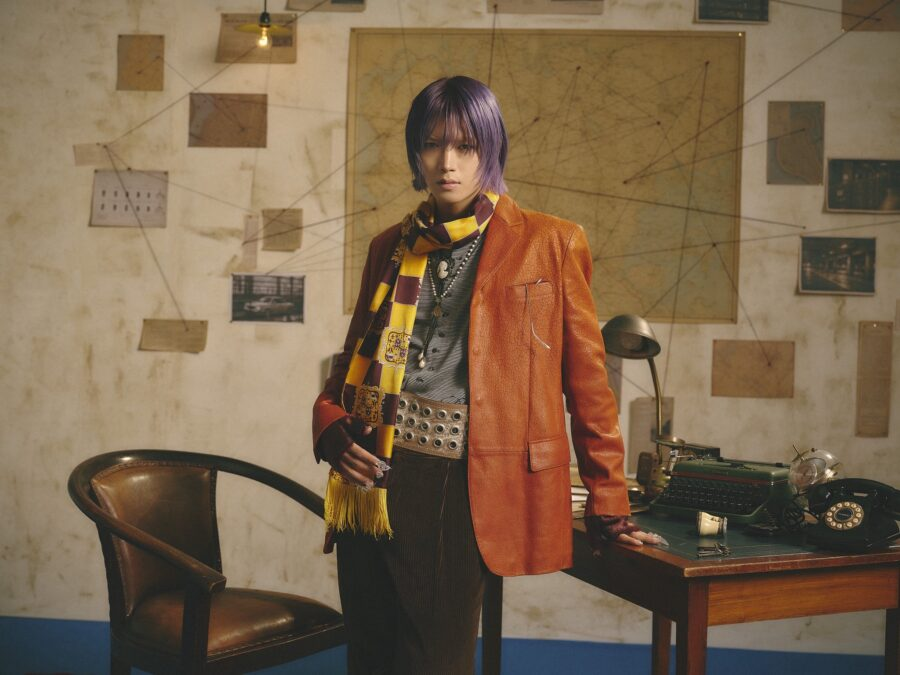
VOA: The single includes your own versions of SPYAIR’s “Imagination” and KANA-BOON’s “Silhouette”, two songs that many anime fans already know and love. When performing music that means so much to other people, how do you respect the original while making sure listeners can recognise KID PHENOMENON’s own musical identity?
TSUBASA: Both songs already have a lot of fans, so I felt a lot of pressure covering them. Rather than changing how people see the songs, we wanted to bring out a new side that could only come from us being part of them. So when we were recording, we listened to the originals over and over. We put everything we’ve experienced so far into our performance, and I think we were able to make these songs our own originals.
KOTA: Both songs we covered this time are loved by so many people, and I think they’re deeply tied to everyone’s memories and youth. That’s why we focused on expressing them in our own way, while cherishing the charm and message of the originals. Not just copying the originals, we wanted people to feel a vibe that only KID PHENOMENON can bring. We have so much respect for the originals, and we hope people listen and think, “Oh, so this is how KID PHENOMENON does it!”
VOA: The title “I’m still breathing” is a simple but powerful statement about not giving up. Since your debut, you’ve experienced both achievements and difficult moments. If you could dedicate this song to the younger versions of yourselves, what would you want to tell them today?
SOMA: I would like to tell myself, “It’s okay, there’s no need to rush.” I used to keep comparing myself to others and only look for what I was lacking and I often felt pressured to grow up fast. But looking back now, I think of all the times when things didn’t go well and all the times I was struggling, and they have shaped who I am today. So I would like to tell myself to believe in my future self and treasure who I am right now.
SHUNNOSUKE: I would like to tell myself, “Believe in what you want to express, and keep working hard.” We truly love music, singing, and dancing. Since before our debut, we have faced a lot of challenges and hardships, but we have been able to keep going without giving up thanks to our love of music. Sharing what we love with our fans is our role, so I want us to always cherish that.
In this song, we stayed true to the energy of rock while naturally blending in elements of hip-hop and rap, and it comes together as a track that truly feels like KID PHENOMENON. For the vocals in particular, I tried to sing with the emotions I was feeling in the moment, rather than just singing the notes – Kota
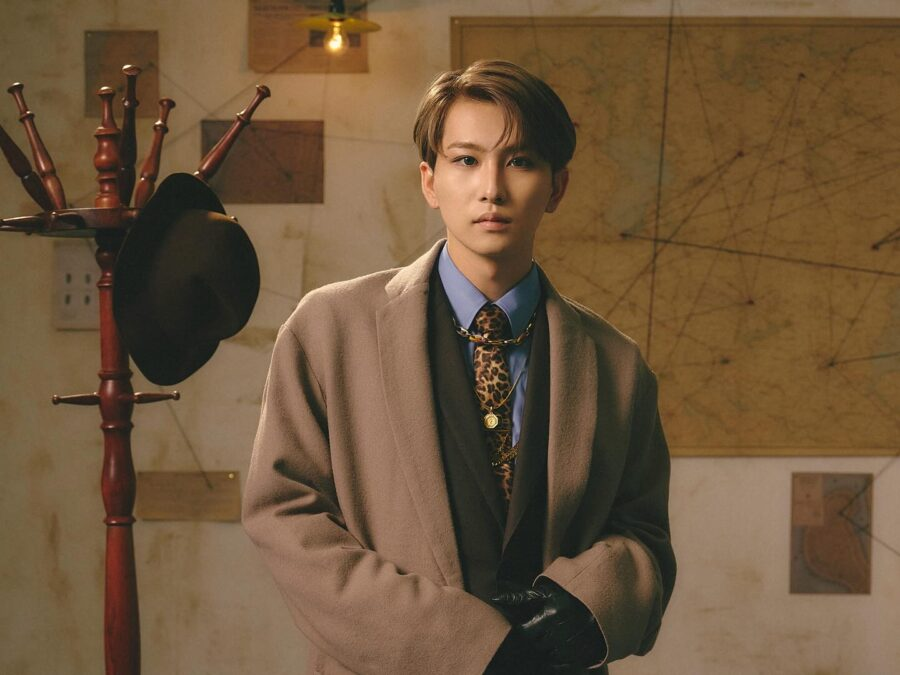
VOA: Your music brings together different influences, including hip-hop and Japanese pop, while your TOKYO NEO POP concept encourages individuality. With seven different personalities and musical tastes, how do you decide which ideas best represent KID PHENOMENON?
KENSUKE: Each of us respects their senses and styles, and that’s how we work together to create something that feels like KID PHENOMENON. I think what makes KID PHENOMENON special is that, with seven different perspectives, we can create across all kinds of genres. When we start working on something, each of us comes at it from a different angle. Then the seven of us talk it through, decide on a direction together, and build from there.
SHUNNOSUKE: We don’t limit ourselves to one style. We just go all in on what our seven members want to do. Instead of making something to fit a fixed idea of “KID PHENOMENON,” we focus on the seven of us and express that. And I think that’s what makes it “KID PHENOMENON.”
VOA: Dancing is such an important part of your performances, but strong choreography can sometimes make it harder for an audience to notice the smaller emotions in a song. How do you balance technical accuracy with personal expression, and do you ever change movements because they don’t feel right for the music?
KOHAKU: Our dance performances are usually built around all seven of us. But we value how each one of us understands the song rather than fitting everyone into one set form. Even so, we’re somehow in sync; our movements and ways of expressing may differ, but it feels like KID PHENOMENON resonates as one, and I think that helps bring out the meaning of the song even more. So we don’t really change the choreography itself, but within a shared theme, there are lots of differences in how each of us expresses it.
RUI: I’ve always believed that accuracy and quality should be prioritised to reach the audience in the best way through my dancing. But there was a time when I realized that I was so focused on technique that I wasn’t putting 100% of my emotions into it. Through this experience, I started to rethink the balance of my performance. Since then, I’ve been trying to perform with 60% emotion and 40% technique. It lets me get into the song while still doing my best, so I think it’s the best balance for me. Sometimes a move doesn’t feel right for the song, but whenever it happens, we talk it through as members, make adjustments, and prepare to deliver our best performance.
“I’m still breathing” was written especially for Mission: Yozakura Family, so it’s deeply connected to the characters’ feelings and the world of the story. I felt that the MV changes the atmosphere of each space to express the many emotions in the song and the changes happening in the characters’ emotions – Rui
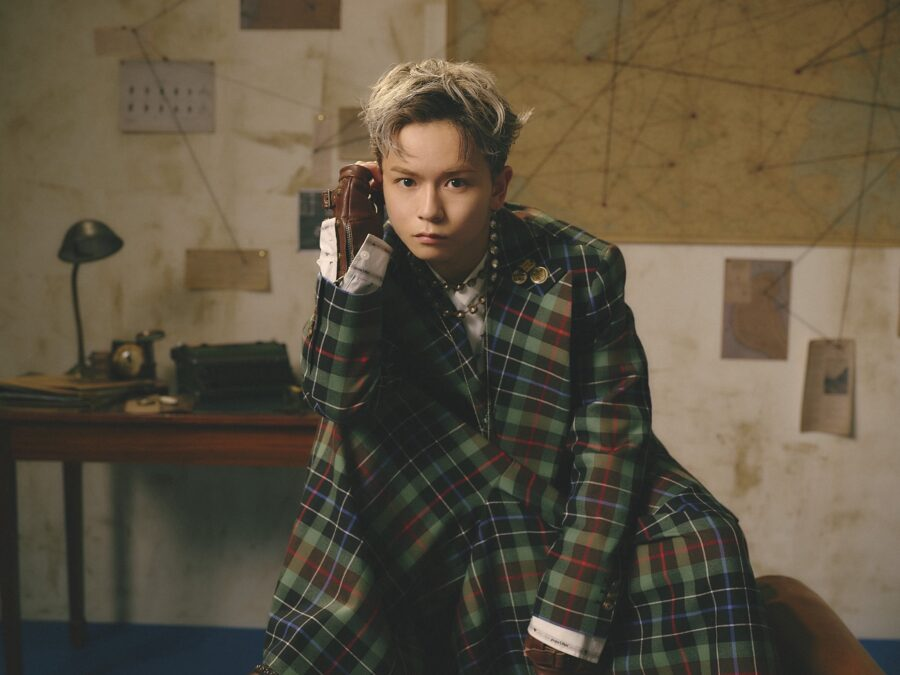
VOA: You performed in Vietnam in 2025 and later appeared at SXSW in Austin, Texas, in March 2026. Both experiences introduced you to audiences outside Japan. What surprised you most about performing for international audiences, and did those experiences change the way you think about your music and dancing?
KENSUKE: What surprised me the most was seeing audiences in other countries singing along to our songs, even though they are written in Japanese. I was also amazed to see people who were watching us for the first time feel our sound and groove and dance along with us. It made me realize that music and dance really have no language barriers. They come alive when each person simply enjoys them, and that’s what connects people.
SHUNNOSUKE: I was surprised by how free the audience was! I got the impression that everyone in the audience enjoyed our music and performance however they wanted. Some people were focused on watching our performance, some were dancing just as hard as we were, and some were singing along. Everyone had their own way of enjoying it, and we enjoyed watching them too.
VOA: So, what’s next for KID PHENOMENON? With 2026 coming to an end, what can fans look forward to from you in the final two months of the year?
KENSUKE: At the end of this year, we have “NEO EXILE SPECIAL LIVE 2026,” a show featuring four groups of our generation, including KID PHENOMENON. And from next year on, we are planning to release songs that will let you enjoy our new style, “TOKYO NEO POP,” even more, so I hope you’re looking forward to them!
Written and interviewed by Maggie Gogler
Featured image © LDH Japan
View of the Arts is an online publication dedicated to film, music, and the arts, with a strong focus on the Asian entertainment industry. As we continue to grow, we aim to deepen our coverage of Asian music while remaining committed to exploring and celebrating creativity across the global arts landscape.


