
Big Ocean, the world’s first K-pop group made up of hard-of-hearing members, is truly one of a kind. Formed through auditions by Parastar Entertainment, the trio uses a mix of smart technology, visual cues, and relentless practice to perfect their performances. Their debut single, GLOW, a cover of H.O.T’s classic, incorporates Korean sign language to make music more inclusive. Despite challenges in synchronisation and communication, they’ve gained widespread support, including praise from the WHO and ILO. Big Ocean continue to inspire others by promoting inclusivity, challenging stereotypes, and showing that anyone can achieve dreams.
READ MORE: BIG OCEAN ON THEIR DEBUT
With Underwater, their new release, Big Ocean reveal a more mature side compared to their debut. The album’s theme – a merman finding his way through two worlds – reflects the group’s own experience as hard-of-hearing artists challenging norms in K-pop. Each member brought personal insight to the project, from PJ’s haunting solo SINKING to Chanyeon’s contemplative FADE OUT. Exploring diverse genres and contributing to the songwriting and choreography, without a doubt, the trio used Underwater to express their growth as artists.
What makes Underwater compelling is how Big Ocean turns vulnerability into strength. From the bold confidence of ATTENTION to the soft hopefulness of END OF TIME, the album plays out like a narrative, one that moves from isolation to empowerment. With stunning visuals, thoughtful sign language integration, and a clear message of self-acceptance, Big Ocean are building a new model of expression and connection in K-pop.
Following their successful European tour, we sat down with Big Ocean for an exclusive interview to discuss the making of Underwater. The group reflected on the creative process behind the album and opened up about the meaningful connections they made with fans while touring. They also shared insights on growth and vulnerability that drove their latest release.
View of the Arts: First of all, I would like to say, I love your new release! Underwater has a much more mature and dramatic tone compared to your debut album, Follow . What inspired this artistic shift, and how did you approach expressing that transformation musically and visually? Musically, each song explores a different genre, and I really liked how the lines were distributed among you. What was that overall experience like for you?
PJ: Thank you so much. With Underwater, we wanted to show a different side of ourselves – something deeper, more instinctive. Our first mini-album, Follow had a youthful and energetic spirit, but as we grew together over the past year, we also discovered more complex emotions. That’s why we embraced the theme of the “merman” – a being that lives between two worlds, learning to find strength in the depths. Musically, we explored a range of genres, and the line distribution allowed each of us to express ourselves more.
VOA: The concept of the merman – as both a symbol of isolation and strength – is at the heart of this album. How did each of you personally connect with that theme during the creative process?
Jiseok: The merman really resonated with me. He’s a being who doesn’t fully belong to the world above, yet finds strength and beauty by embracing life in the sea. That reminded me of our own journey. At times before, it felt isolating, but through music, we learned to move with our own rhythm, just like a merman learns to swim with the current instead of fighting it.
Chanyeon: For me, the merman symbolised the moment when you stop pretending and start trusting your instincts. That really shaped how I approached FADE OUT, which I helped write. It’s about cutting away the noise and hearing your true voice, even if it’s quiet. I used to be shy about expressing myself, but this album gave me space to be honest.
PJ: I felt very connected to the merman’s longing. There’s a line between wanting to belong and learning to be okay where you are. SINKING, my solo track, is all about that emotional struggle -drifting apart even when you’re trying to hold on. But like the merman, I realised that even when you feel like you’re drowning, there’s a kind of beauty in being vulnerable. And sometimes, that’s where your real power begins.
As artists who are hard of hearing, we experience the world through different senses. For us, silence isn’t empty, it’s full of feeling. – Chanyeon
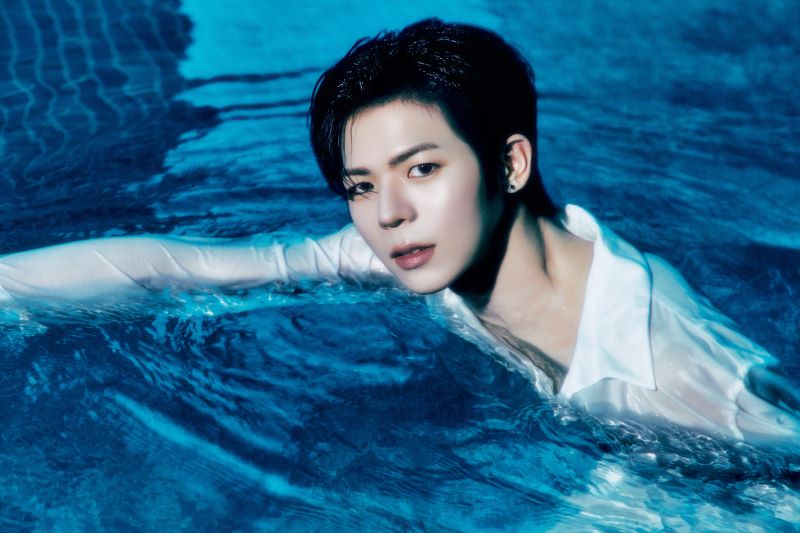
VOA: SINKING talks about the pain of growing apart from someone while trying to fit in. Was there a personal moment or feeling that inspired the direction of this song?
PJ: Yes, SINKING is my first solo song, and it’s very personal to me. It captures a quiet kind of heartbreak – not just from romantic love, but from any connection where you try so hard to be understood that you begin to lose yourself. I’ve felt that before. As someone who communicates differently, there were moments when I reached out and still felt distant. I wanted the song to reflect that feeling of drifting apart, even while trying to stay close. It’s a sad song, especially with the line “there is no happy ending,” but we placed it at the beginning of the album for a reason.
VOA: FADE OUT focuses on finding clarity through silence and self-reflection. As artists who are hard of hearing, how did that experience shape the sound and message of the song?
Chanyeon: FADE OUT felt very personal to all of us, but especially to me, because it was the first time I contributed to writing lyrics. The song is about that moment when everything around you goes quiet, and instead of feeling lost, you begin to hear your own thoughts more clearly. As artists who are hard of hearing, we experience the world through different senses. For us, silence isn’t empty – it’s full of feeling. That shaped how we approached the song both emotionally and rhythmically. The production leaves space between the sounds, almost like you’re underwater, and that allowed the emotions to breathe. Writing FADE OUT helped me let go of old versions of myself and find confidence in the quiet.
VOA: ATTENTION is full of confidence and emotion. What was the biggest challenge in showing this more instinctive and bold side of yourselves?
PJ: To be honest, it wasn’t easy at first. I’ve often been called the “cutie” of the group, so stepping into a more alluring and bold concept felt like a big shift. I had to work on my expressions and mindset – not just acting confident, but really believing in that side of myself. I watched a lot of performances that captured that energy and practiced in front of the mirror more than usual. In the end, it helped me grow – not just as an artist, but personally, too.
Chanyeon: I relate to that a lot. I’ve always been more on the reserved side, so ATTENTION pushed me out of my comfort zone. The idea of expressing pure instinct – through eyes, hands, and movement – meant something special to us because physical expression is central to how we communicate.
Jiseok: For me, the challenge was in the choreography. I helped shape the moves for ATTENTION, and I wanted each motion to feel precise but natural, like a wave you can’t resist. We changed the choreography many times during practice until it truly matched the energy of the song. Getting into that bold, instinctive mindset while staying perfectly in sync was a challenge, but one that taught us a lot.
We hope “Underwater” shows that even if you start in silence, your voice still matters. There were times when I didn’t know if this path was possible for someone like me. – PJ
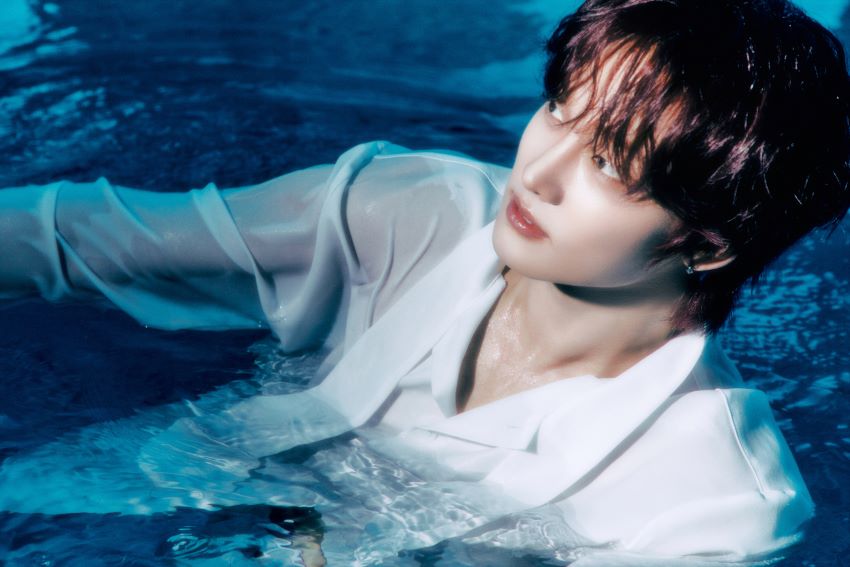
VOA: The final track, END OF TIME, contrasts the darker moments with a sense of hope and reunion. How important was it for you to include that emotional closure in the album’s narrative?
PJ: It was very important. When we created Underwater, we wanted it to feel like a story; not just a collection of songs. Starting with SINKING, which is about drifting apart and feeling helpless, we knew the album needed a resolution. That’s why END OF TIME comes last. It’s like saying: even after you feel lost or broken, healing is still possible. The lyrics talk about reuniting under the moonlight and promising to stay – that’s not just about love, but also about reconnecting with yourself or the people who stayed by your side. We wanted to leave listeners with a sense of peace and possibility.
VOA: There’s a clear thematic progression in Underwater – almost like a story arc from vulnerability to empowerment. How intentional was that storytelling approach in the tracklist?
PJ: It was very intentional. From the beginning, we wanted Underwater to feel like a journey, not just musically, but emotionally. The tracklist follows a path that starts with pain and confusion in SINKING, moves into realisation in FADE OUT, then instinct and boldness in ATTENTION, and finally ends in reunion and healing with END OF TIME. It’s like the arc of someone who dives deep into their emotions, faces what’s hidden, and comes out stronger. That structure reflects how we’ve grown as a team, too.
Chanyeon: We see our albums as more than just songs – they’re stories we want people to feel and maybe even find themselves in. Underwater is about facing darkness without fear and learning to breathe through it. I think a lot of listeners are going through their own “black oceans,” and we wanted to show that there can still be light at the end of it.
VOA: The album is in Korean and in English, which expands your reach globally. What was the reasoning behind that choice, and how did it affect the songwriting and vocal delivery?
PJ: We wanted this album to connect with as many people as possible. Since our performances already include Korean Sign Language, American Sign Language, and International Sign, we thought using English lyrics could help connect even more people around the world. It’s not just about language, it’s about accessibility.
Jiseok: Singing in English also gave us a new vocal challenge. The phrasing and rhythm are different, so we practiced a lot to make sure our delivery still carried emotion, even if it wasn’t in our first language.
VOA: The visuals for this album are stunning. How much were you involved in creating the styling and overall look of the project?
Chanyeon: We were very involved in shaping the visual direction of Underwater. From the beginning, we had conversations with our team about what kind of emotions we wanted the visuals to express. The concept of the merman helped guide everything, from the colours and textures to the underwater-inspired lighting and motion. We wanted the visuals to feel mysterious but also vulnerable, like a dream that’s slowly revealing something deeper. It wasn’t just about looking cool; it was about showing transformation.
Jiseok: We also gave input on the outfits and poses during the shoot. Since we perform with sign language, we asked for styles that allowed free movement and highlighted our hands. It was important to us that the visuals not only matched the theme but also supported the way we communicate. Every detail mattered, and we’re thankful our team trusted our ideas.
I want people to know that your differences can be your strength. We faced a lot of challenges, and also the fear of not being accepted. – Jiseok

VOA: This album feels like a powerful step forward – like you’re rising to the surface with strength and confidence. What message do you hope this sends to others, especially people who are hard of hearing and dreaming of entering the music world?
PJ: We hope Underwater shows that even if you start in silence, your voice still matters. There were times when I didn’t know if this path was possible for someone like me. But music isn’t just about hearing, it’s about feeling, expressing, and connecting. If you’re dreaming of entering the music world, don’t let anyone tell you it’s out of reach. The road might be different, but it’s still yours to walk.
Jiseok: I want people to know that your differences can be your strength. We faced a lot of challenges, and also the fear of not being accepted. But we learned to communicate in our own way. This album is proof that you don’t have to change who you are to belong. There is space for you, just as you are.
READ MORE: BIG OCEAN IN LONDON
VOA: Touring across Europe must have given you so many chances to connect with fans face-to-face. As artists who are hard of hearing, how did you experience those interactions, and what made those moments special for you?
Jiseok: What touched me most was how thoughtful and intentional our fans were. Many of them took the time to learn sign language – just to say hello, to cheer us on, or to tell us they were proud. Some held signs in multiple languages, others used gestures or simply smiled with so much warmth that words weren’t even needed. As Deaf artists, we sometimes carry quiet worries. “Will we miss something important? Will they understand us?” But during the tour, those worries faded. Instead of feeling apart, we felt connected. Our fans didn’t just watch our performances. They met us in our world, with open hearts and open hands. That kind of understanding is rare, and I’ll carry those moments with me for the rest of my life.
VOA: Every city has its own vibe – from the energy of the crowd to the atmosphere of the venue. Was there a city or show on the tour that you enjoyed the most? What made it special for you?
Chanyeon: Paris was especially memorable for me because of one very touching reunion. During our New York schedule last year, we heard about a 73-year-old fan who had misunderstood the fan meeting time and arrived the day after the scheduled date. She missed us, but we sent her a message afterward saying we hoped to see her again someday. Months later, during our Paris show, she appeared with a sign asking, “Do you remember me?” Of course, we did. We had been thinking about her since New York. Seeing her again – and watching her enjoy our performance with so much energy and love – was a beautiful reminder of how music can create connections that last across time and borders. That day made a deep impression on me.
PJ: For me, Lausanne in Switzerland will always be special. That’s where we celebrated our 1st debut anniversary at Polymanga. I performed SINKING as a solo, and I saw fans crying. I whispered, “Don’t cry, I’m right here,” and I meant it with all my heart. It was a quiet but powerful moment that made me feel deeply connected to everyone in the room.
Jiseok: Every city had its own energy, but I think what made them all special was how open the fans were. Some came with signs in different languages, some signed to us directly, and some just smiled and waved with so much sincerity. No matter the city, we felt welcomed, not just as performers, but as people. That’s something I’ll always carry with me.
Written and interviewed by Maggie Gogler
Featured image courtesy of Parastar Entertainment
View of the Arts is an online publication dedicated to films, music, and arts, with a strong focus on the Asian entertainment industry. With rich content already available to our readers, we aim to expand our reach and grow alongside our audience by delving deeper into emerging platforms such as K-pop and Asian music more broadly. At the same time, we remain committed to exploring the vibrant and ever-evolving global landscape of film, music, and the arts, celebrating the immense talent and creativity that define these industries worldwide.

 VIEW OF THE ARTS
This is a beautiful article ❤ Thank you