
As Shine continues to win hearts around the world, Son and Euro brought that excitement to Europe for the JIB DREAM FANMEET in Rome. For fans, it was a special opportunity to meet the actors behind Krailert and Naran, whose story became one of the most talked-about and beloved parts of the series, at least for me.
Krailert and Naran come from very different worlds, yet their connection takes shape against a backdrop of political tension and personal sacrifice. What really stays with viewers is how fully Son and Euro step into these roles and make them feel alive. Son shows Krailert as someone constantly torn between duty and what he truly wants for himself, while Euro plays Naran with a strong inner strength, but also a softness that comes through in unexpected moments. There is a natural honesty in the way they play off each other, which makes their connection feel real. As a viewer, you become emotionally invested in every turn it takes, from its warmth to its heartbreak.
As they arrived in Rome, Son and Euro were not only representing Shine but also celebrating the fans who had supported the series from the very beginning. The JIB DREAM FANMEET proved to be a one-of-a-kind occasion, bringing actors and fans together in each other’s company and a common love for a drama that has touched so many people in Europe.
We also sat down with both actors for an in-depth interview, where they spoke in great detail about their characters, Krailert and Naran, and the emotional and political layers behind their performances.
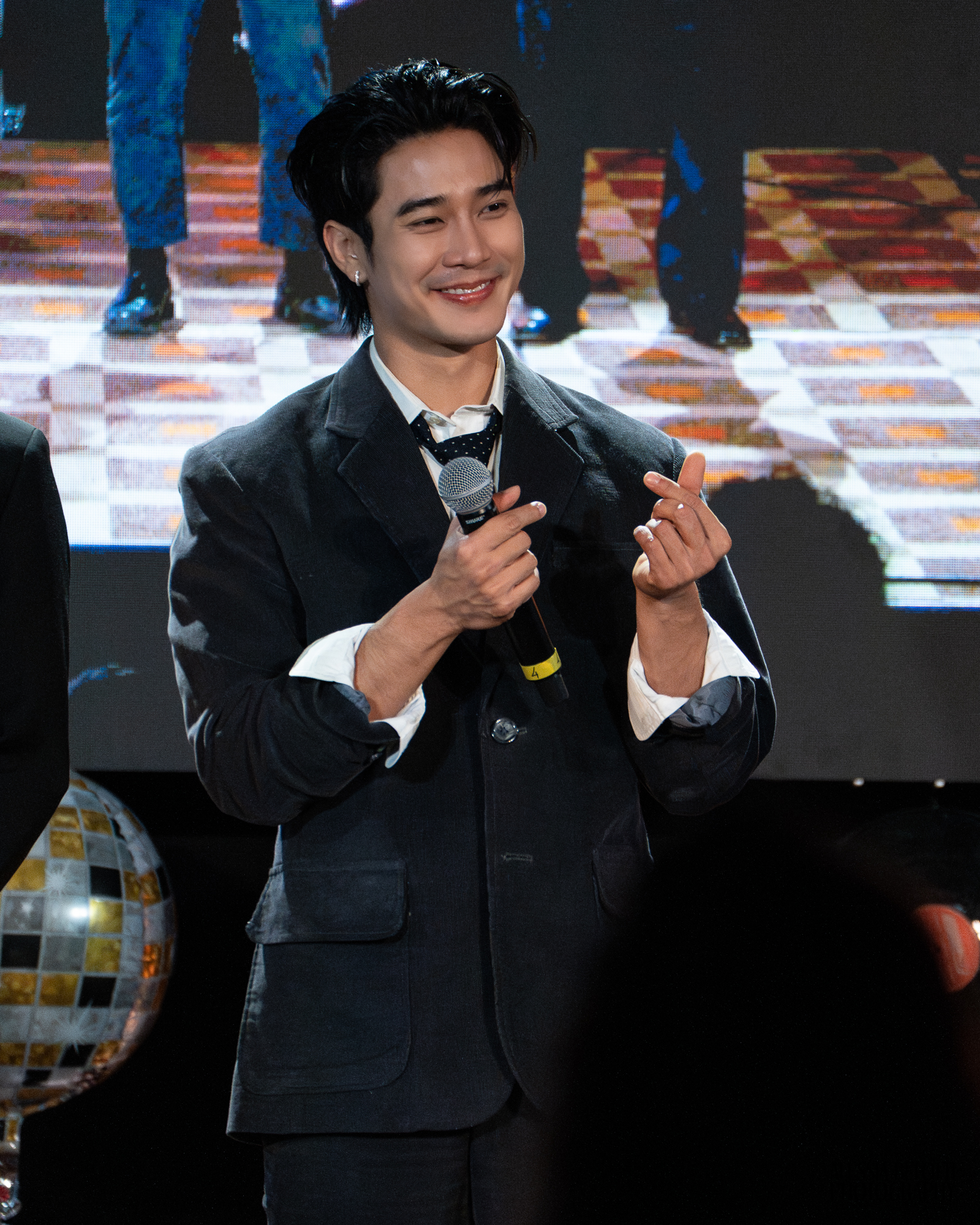
View of the Arts: Krailert starts as someone strict and loyal to authority. As the story goes on, he begins to question what he believes in. How did you act out or understand that shift from a disciplined “enforcer” to someone who starts thinking for himself?
Son: I first explored the strictness, figuring out where the mindset of a soldier and someone who works under command places their trust, what they believe, how they grew up, and how they were trained. Then, I explored the art of choosing to love oneself, doing what one likes, and finding aesthetics in it. I used these two axes during the filming of Shine. During the first few episodes, we used the axis of extreme strictness, and in the following episodes, we gradually inserted more aesthetics, until the point where the aesthetics had more power than the strictness. That is the paradox that caused Krailert’s problems.
VOA: Naran is a principled journalist facing corruption, military power, and ethical dilemmas. How did you capture the tension between his personal convictions and his romantic storyline with Krailert?
Euro: Naran is someone who holds steadfastly to his convictions. Even when confronting pressure or injustice, he perseveres in doing what he believes is right. I view the relationship between Naran and Krailert as more than a simple romance; it is a sanctuary where they can be their true selves. I aimed to portray that beneath his resilient exterior lies a profound sense of inner conflict and tenderness.
VOA: Your character intersects heavily with political and ethical dilemmas. How did you prepare for scenes that require subtle tension rather than overt action?
Son: First, I used acting tools poetically derived from psychological gestures to cover and fix my external posture. From there, I created a background, a story, and a situation that I faced, leaving it turbulent inside my head, as if my head and my heart weren’t going in the same direction. The rest was up to the director and the audience.
VOA: Forbidden love is central to your arc. How did you convey complex emotions through subtle expressions and body language, especially in politically charged scenes?
Euro: I relied heavily on eye contact and strategic pauses. Often, Naran’s emotions remain unspoken, particularly in scenes laden with political tension or conflict where he is forced to suppress his feelings. Consequently, I focused on conveying his internal state through facial expressions and body language, ensuring the audience could grasp his underlying thoughts.
VOA: Krailert’s dynamic with Naran drives the angsty political romance. How did you approach portraying the subtext and emotional weight of their forbidden relationship?
Son: I had to maintain my ideology and firmness as a core pillar. When it came to scenes where our ideologies didn’t align, magic happened spontaneously.
VOA: Music is a narrative tool in Shine, indicating emotional shifts and foreshadowing relationships. How did you incorporate its influence into your performance?
Euro: I believe the musical score in Shine is instrumental in immersing the audience in the characters’ emotional landscapes. In certain scenes, the mere introduction of a track completely alters the atmosphere. During production, the music provided immediate cues on whether a scene demanded stillness, gentleness, or intensity, ensuring my performance remained cohesive with the narrative’s emotional trajectory.
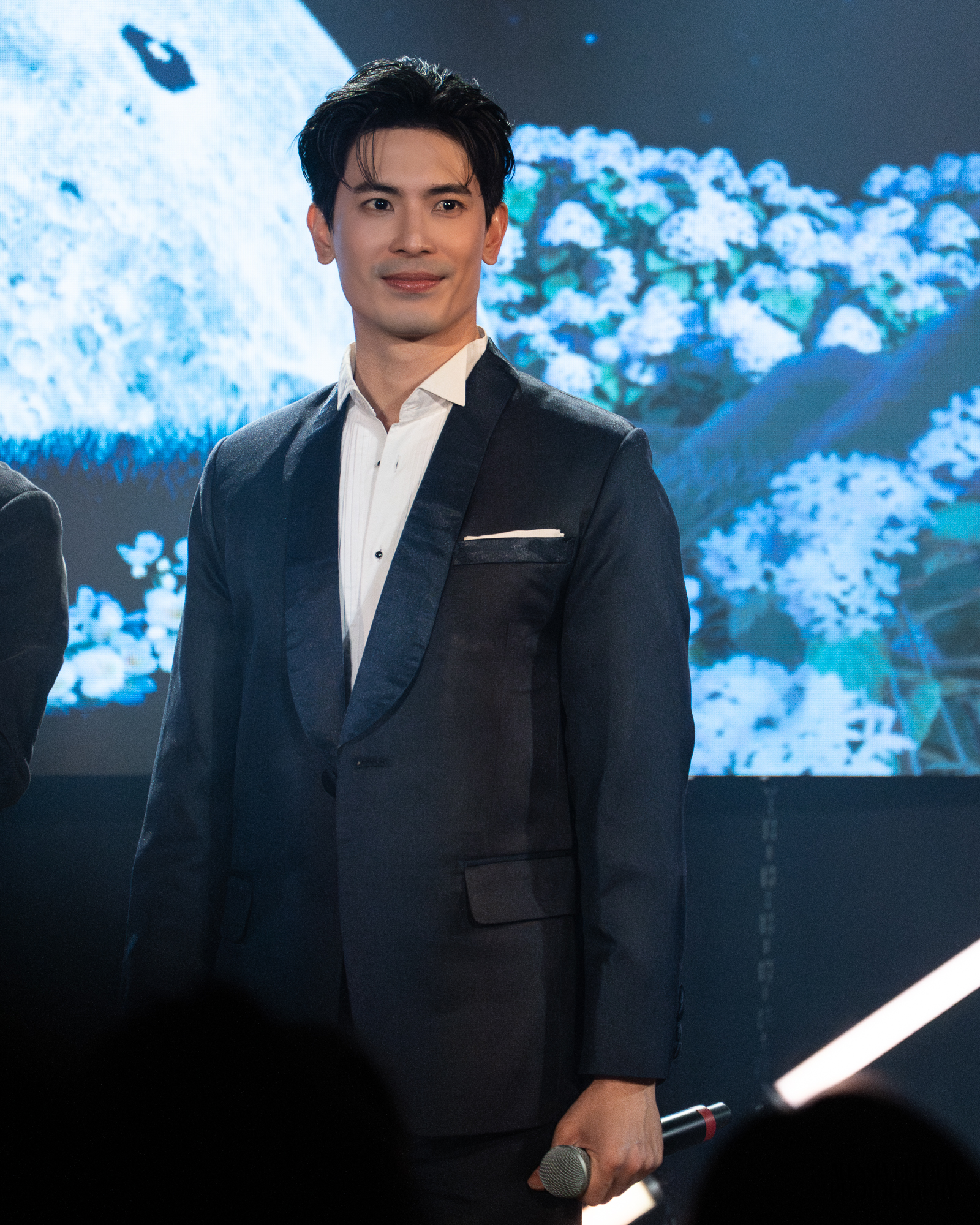
VOA: Shine puts together comedy, romance, and politics. How did you adapt your performance to maintain authenticity in the dramatic and lighter moments?
Son: Because my character can only relax in private locations, dividing the parts wasn’t difficult.
VOA: Naran’s character challenges authority and societal norms. Did playing him change your perspective on activism or social responsibility in any way?
Euro: Portraying Naran significantly expanded my understanding of societal issues. The character continuously challenges authority and the status quo. It reinforced my belief that, in reality, everyone has the right to vocalise and defend their convictions, which fundamentally requires mutual respect for differing opinions.
VOA: The political unrest of 1969–71 in Thailand plays a role in your character’s choices. Did you research the historical context, and how did that influence your portrayal?
Son: I studied Thai history by listening to podcasts and interviews with people who were involved in the events of that era, mostly from the students’ side. However, I also had to study the military’s side to understand what the army leaders of that time wanted, how they thought, and how they dealt with those who disagreed.
VOA: Your character arc is quite different from the main romantic comedy and adds more depth to the story’s political side. How did you balance these heavier themes while still keeping your performance relatable for audiences?
Euro: I believe Shine effectively balances dramatic intensity with romance, which facilitates audience engagement. Through my acting, I sought to project the multifaceted nature of the character, enabling viewers to emotionally invest in his journey.
VOA: Shine’s Rome fan meet presented your storyline to an international audience. What did you hope fans took away from Krailert’s journey?
Son: Personally, I wanted the character of Krailert to be an example of taking responsibility for one’s own choices. Even though his ending wasn’t happy, that was because of what he chose from the beginning. Therefore, I wanted everyone to think carefully before choosing any path in life because there would be consequences. Ideally, it is better to choose to live your life following your own positive emotions from the start. I didn’t want people to make choices out of greed, fear, or because someone else told them to “choose correctly before it was too late.”
VOA: For the Rome fan meet on May 24th, this was your first European interaction with Shine fans. How did you plan to communicate Naran’s story and the political-ethical themes of the show to fans who may be less familiar with Thai history?
Euro: I was absolutely delighted to meet our European fans for the first time. Although international audiences may not have been intimately familiar with Thailand’s specific sociopolitical history, universal themes such as love, societal pressure, and the fight for one’s beliefs connected globally. I invited everyone to approach Shine with an open mind, viewing it from a fundamental human perspective as they discovered the characters and the narrative.
Written and interviewed by Maggie Gogler
Featured image © 2026 Alessia Belotti for View of the Arts
A huge thank you to BeOnCloud and the Jus In Bello team for helping arrange the interview, and to Son and Euro for taking the time to answer our questions.
View of the Arts is an online publication dedicated to film, music, and the arts, with a strong focus on the Asian entertainment industry. As we continue to grow, we aim to deepen our coverage of Asian music while remaining committed to exploring and celebrating creativity across the global arts landscape.


