
The presence of female Tibetan creatives and voices in cinema is beginning to outpace that of their male counterparts. Most notably, in the film festival space, with curators seeking to present a perspective on Tibetan filmmaking that has, until the past few years, been left silent.
Since the founding of the Tibet Film Festival in 2008 in Zurich, the festival has gradually expanded to Dharamsala (India), Berlin (Germany) and London (UK). This year, the festival is also expanding to New York. By these metrics alone, it is clear there is a growing thirst for Tibetan stories at a global scale and for timely representation. In the past year, Tibetan features have also appeared at larger, more mainstream festivals such as the Far East Film Festival and International Film Festival Rotterdam.
During the Tibet Film Festival season at the Kagyu Samze Dzong London centre, we sat down to speak with Kunsang Kelden, co-founder and producer of the London Tibet Film Festival, and Pema Shitsetsang, a prominent Swiss-Tibetan actress starring in acclaimed Tibetan films Royal Café (2016) and My Sweet Pala (2025). Both pioneering creatives discuss their experiences working across the Tibetan diaspora and how these female voices are challenging the status quo.
Central to Kunsang and Pema’s work is a commitment to ensuring Tibetan stories occupy their rightful place in the global cinematic space, with female voices at the forefront of this exciting movement.
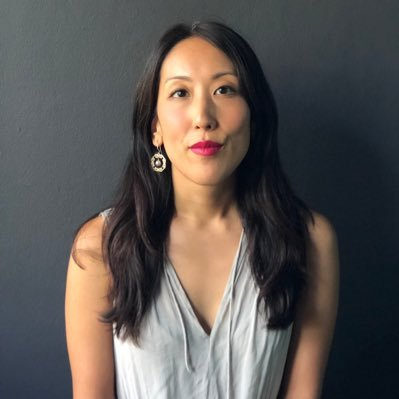
View of the Arts: We’re seeing an emergence of a kind of Tibetan “new wave”. Tibetan films are being screened to wider audiences at various international film festivals, bringing Tibetan cinema closer to the mainstream than ever before. From your perspective, what do you think is behind this new upsurge in Tibetan cinema?
Kunsang: We’re in touch with many filmmakers from the global diaspora, and the fact that we have a place for them, we have a setup, means they can jump right in. Sometimes we also help them find distribution, or connect them with other festivals through our partnerships, like we did with the Migration Film Festival here in London.
The Tibet Film Festival (Zurich) has also provided funding for Tibetan filmmakers over the years, whenever possible. Whether it’s through financial support or connections through our network, it means that now, as a growing industry, we can offer support to people who may not be as experienced in those areas.
VOA: Female filmmakers and creatives are really taking centre stage in the Tibetan film industry right now, as we can see in this current season at the KSDL. What do you think this shift in perspective brings to these stories and the wider industry?
Kunsang: It’s not just about perspective. The presence of these women is not only changing the content of films but also shaping the way people engage with Tibetan cinema. Their films are telling interesting stories about diaspora, about immigration, and these perspectives from women in particular illustrate a very specific experience that I think nobody really has “got right” [laughs] yet.
The women I’ve come to know over the years are truly badass and amazing filmmakers, and those are the ones that I make an extra effort to support. Their perspective is unique. It tends to be more nuanced and have much more emotional depth. Whether these women filmmakers are from Tibet or the diaspora, they see each other’s work from afar and are very supportive of each other. They also happen to be the most grateful, appreciative filmmakers to work with, and they love to collaborate, which is an important part of how we work.
As for how they are perceived (as women filmmakers), I don’t even think about it; I just know their work needs to be seen. As filmmakers, we need to take ownership of our own narratives, and that is the most important thing, especially today. That’s why we make the effort.
VOA: As a female Swiss-Tibetan actress, have you experienced any advantages or disadvantages when approaching new projects compared to your male counterparts?
Pema: I mean, it’s not like people look at me in the film industry and can immediately pinpoint, “Oh, she’s Tibetan.” If we talk about Koreans, Japanese, or Thai people, there are different kinds of narratives and different connotations. It depends on which part of the world you live in. In Switzerland, there are also different narratives. It’s a different culture, and thank God it’s changing.
But in the past, many times, I had to deal with limitations due to my ethnicity. But people in the industry wouldn’t acknowledge or understand the racism tied to it. And it’s not just a matter of “oh, being an actor is difficult”, which is true. I never used to book any advertisements, but recently I booked a huge one. And it’s with a wonderful woman director who also makes films. I get to be a really cool and important character in it. I know that my casting agents see me as a human being, not just my gender or ethnicity. But they know the directors or the producers. This is not the case for many other creatives who still face limitations because they do not know the “right” people to get them in, which is wrong, of course.
What I really love about women directors is the depth and seriousness of their detail-oriented storytelling, as well as their respect for all the characters. Because it’s not only about my character; it’s about all those moments with all those characters in there, even if it’s just a short moment on screen. For example, with Royal Café (2016), Tenzin Dazel, our director, took so much time to meet the talent, most of them non-actors, and some of them were really very talented, even though it is not their profession. Tenzin took care of so many things. It was also difficult for me, but I chose that path; other paths have other obstacles.
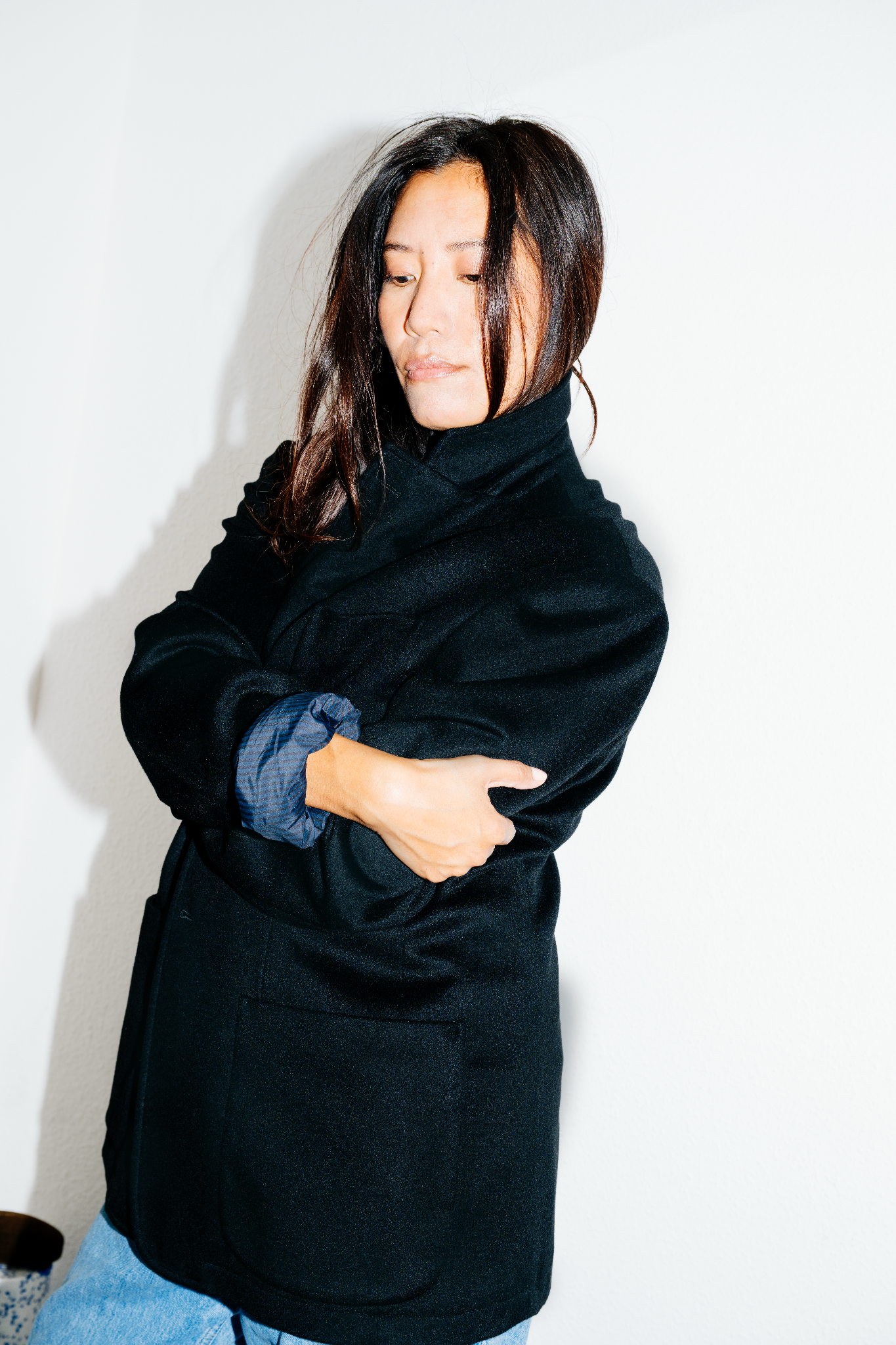
VOA: As a woman working within the global film industry and film festival industry, have there been any challenges or opportunities that you have encountered in your position?
Kunsang: I think it mostly comes down to money, really. Historically, women of colour tend to be the most economically and socially disenfranchised, on the lower end of the scale. And there are so many obstacles that women already have to deal with – physically, mentally, emotionally. Whether it’s in your professional life or your personal life, there are so many things that you’re already combating or trying to deal with, in addition to navigating your career and navigating the whole process of applying for funding, trying to connect with new cinemas or new platforms, or whatever it is.
So we have learned so much as things have progressed. But for people who don’t have that familiarity with how festivals work, how the industry works, working with distributors, you know, reaching out to cinemas when nobody knows your name, that is difficult.
For us right now, I think things have really changed, and we’re in a pretty good position because we’ve worked for it, we’ve fought for it, and people have really started to take notice. So that’s nice.
VOA: Since founding the London Tibet Film Festival, how has the Tibetan cinematic landscape changed in terms of its female representation on and off-screen?
Kunsang: Well, I think it has improved. I mean, I have seen so many films by Tibetan directors and filmmakers from Tibet and the diaspora. I’m from New York, and over the past 20 years or so, New York has been a place where you would have a chance to see a lot of films, and it is a bit more of a cultural hub. We have a big Tibetan community there. Watching [Tenzin] Dazel’s films was so refreshing because they were actually films that I liked and thought were interesting. I didn’t even realise at the time how sick I was of watching films made by Tibetan guys, but I was. I don’t have to show their films now.
We create space for women, showing their talent and their stories; Tibetan women filmmakers now feel more comfortable. They know me and Dechen Pemba (co-founder of LTFF), and they know that we’ll support them in whatever way we can with new projects. Now I think it’s just that female filmmakers have more time, access to education and training, and are more experienced now with applying for funding and submitting to festivals. I think that that’s also a really big part of it.
VOA: What would be your words of encouragement or wisdom to young Tibetan girls in the global diaspora who want to become actresses in today’s cinema landscape?
Pema: If I imagine it was my child-like the other day, my child said, “You know, Amma, I want to be a painter. I want to be an artist. Is that fine?” I was like, sure, if you want to do that, you can be anything you like. The next day, he wanted to be a watchmaker. But I was also thinking to myself that this whole thing of becoming an actor and being a creative is so precious. It also involves a lot of small, very badly paid jobs. Often it doesn’t pay the bills. And then there’s racism and sexism, which means you might not even get your foot in the door. You could get rejected; you could get a “no” because of that. The part that is difficult to digest is when you don’t get your foot in, even though you have the talent.
So, if I were talking to a young Tibetan girl, I would say: totally go for it. It’s so worth it. I’m in my 40s, and I feel so content because I take care of my love for the craft. I love the work, the actual process. Do not give up on it. It’s so important to be consistent, even when there is no success. So you need to be patient and be in it for the long run. But the main thing is to take care of your love for it (and your mental health).
Both of these incredibly inspiring and important women, in the Tibetan film context, in the Tibetan cause, and as artists in their own right, can be seen at the Tibet Film Festival curated season happening currently at the Kagyu Samze Dzong London Centre, running until the 11th June 2026.
Click here to book seats and to find out more.
Written and interviewed by Annabelle Duggan, who was part of the FEFF Campus initiative for emerging film industry talent.
Featured image courtesy of the KSDL centre
View of the Arts is an online publication dedicated to film, music, and the arts, with a strong focus on the Asian entertainment industry. As we continue to grow, we aim to deepen our coverage of Asian music while remaining committed to exploring and celebrating creativity across the global arts landscape.


