
The road to K-pop stardom is rarely straightforward, but Sam Sungmin Kang has taken a very different path to get here. Born in South Korea and having lived across the United States, China and Africa, the artist known as ALL’N brings a broad range of experiences to his music. A classically trained violinist, former survival show contestant, entrepreneur and now the founder of his own company, SKS Entertainment, he has spent years building a career in his own way.
In April of this year, ALL’N officially made his solo debut with We Up, a track that caught attention straight away for its mix of classical and contemporary sound. Opening with the sound of the violin before moving into a modern K-pop production, the song shows his musical background and his desire to bring something different to the genre. It is a confident first step from an artist who is clearly interested in doing things differently.
Outside of music, ALL’N is also running his own label, guiding his creative direction and building a career that follows his own vision rather than a set formula. In today’s global and competitive K-pop scene, that kind of independence is not often seen.
View of the Arts recently spoke with ALL’N about We Up, his journey into K-pop, the influence of classical music on his sound, life as an artist and a CEO and his plans for the future. ALL’N also reflects on the experiences that have made him and explains why staying true to his identity remains central to everything he does.
As an artist, I believe music is ultimately built from experience. The more you live, the more you have to express. I feel very fortunate to have experienced so many different environments, because all of those memories, sounds, and emotions have become part of who I am.
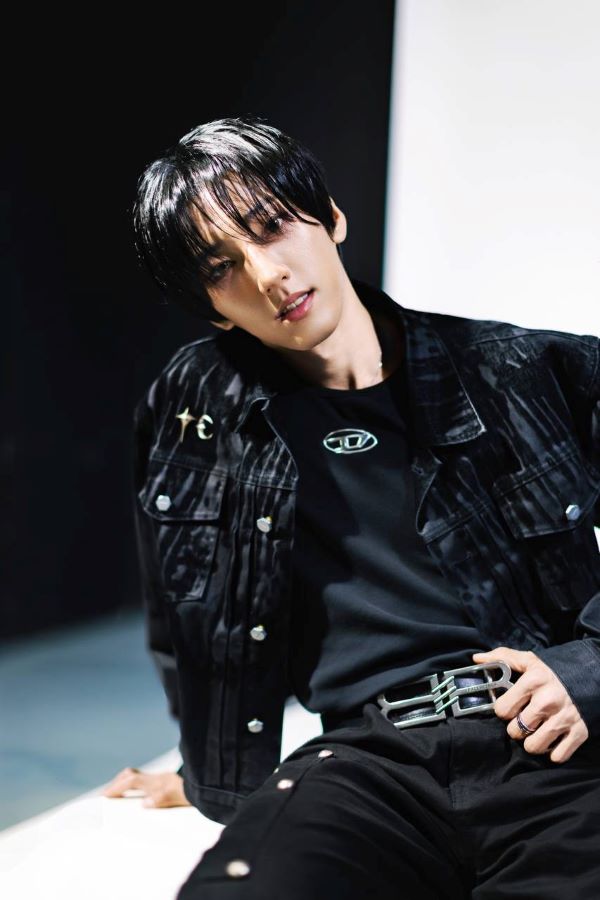
VOA: Well done on your solo debut, We Up. How does it feel to finally release music under your own name after such a long journey through different countries, industries, and experiences?
ALL’N: It feels like a full-circle moment for me. After everything I have experienced across different countries, industries, and stages of life, coming back to the K-pop industry and making my solo debut under my own label feels very special. This time felt different because I had full creative control, not only over the music but also over the vision, the message, and the way I wanted to present myself as an artist. That made the process feel much more personal.
At the same time, this debut also taught me something important. In the beginning, I used to think of debuting as the destination. But once I reached that moment, I realised the journey simply continues. There is no final destination where everything suddenly becomes complete. Each milestone becomes the beginning of the next chapter. Because of that, I try not to take any of this for granted. To wake up every day and be able to work on music, performance, and the dream I have carried for so long is truly a blessing. There is nothing else I would rather be doing.
VOA: You were born in South Korea but have also lived in the United States, China, and Africa. How have those different places influenced who you are today, as a person and as an artist?
ALL’N: Living in different countries and continents has shaped me in a way that I do not think I could have learned from books, videos, or even studying culture from a distance. You only really understand the soul of a place by being there, speaking with people, hearing their stories, and experiencing how they live. Every place has its own rhythm. The music people listen to, the way they move, the energy of the entertainment scene, the way people communicate, and even the way people approach life are all different. Being exposed to those differences gave me a much wider perspective on people and culture.
As an artist, I believe music is ultimately built from experience. The more you live, the more you have to express. I feel very fortunate to have experienced so many different environments, because all of those memories, sounds, and emotions have become part of who I am. I think listeners will be able to hear more of those influences in my future music.
VOA: Looking back, when did music first become something you wanted to pursue professionally rather than simply enjoy?
ALL’N: When I was attending NYU, I reached a real crossroads in my life. I had to decide whether I wanted to follow a more traditional path, like finance or a stable career, or take the risk of pursuing music seriously.
Coming from a traditional Korean family, there was naturally a lot of pressure to choose a more conventional path. Like many Korean parents, my parents wanted me to study hard and pursue something secure, such as becoming a doctor, lawyer, or working in a respected professional field. But ironically, my father was also the person who always told me to live a life with no regrets. That stayed with me. I knew that if I never at least tried to pursue my dream, I would always wonder what could have happened. That was the moment I took my first real leap of faith. I made the decision to leave NYU, where I was on a full scholarship, and pursue K-pop. It was not an easy decision, but it was the first time I truly chose the life I wanted for myself.
VOA: You started playing the violin at the age of nine. What first drew you to the instrument, and what role does it still play in your life today?
ALL’N: The violin is my foundation. In many ways, it taught me everything I know about discipline, patience and belief. The violin is one of those instruments where you do not sound good right away. In fact, most people sound terrible in the beginning. It can take years before you are able to create a beautiful sound. I think that is why many people give up early, because the gap between where you are and where you want to be feels almost impossible. But that process taught me something that became central to my life: if you keep practicing, if you keep repeating and if you keep believing, you can slowly move closer to the level you once thought was unreachable.
That mindset has stayed with me in everything I do. Whether it was building a company, training in the gym, learning to sing and dance, producing music, or preparing to become a K-pop artist, I have always returned to the same lesson the violin taught me. Progress is not instant. You have to repeat the fundamentals over and over until they become part of you. Even now, the violin is not just an instrument I play; it is a part of my identity.
Living in different countries and continents has shaped me in a way that I do not think I could have learned from books, videos, or even studying culture from a distance. You only really understand the soul of a place by being there, speaking with people, hearing their stories, and experiencing how they live.
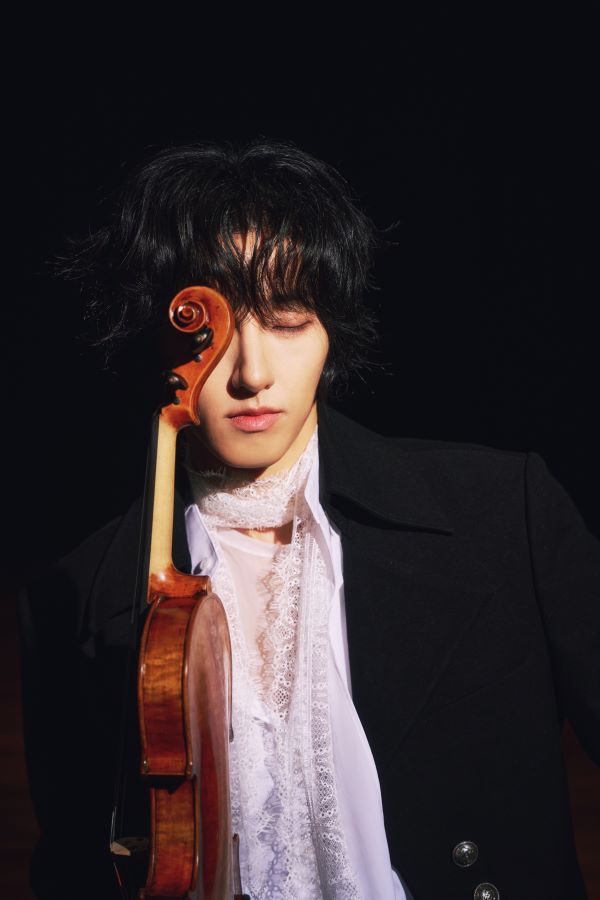
VOA: Classical training requires a great deal of discipline. Are there lessons from learning the violin that still influence the way you approach songwriting, performing, or even running a company?
ALL’N: Classical training has definitely influenced me, but not always in the most direct or obvious way.
On the performance side, it had a huge impact. I was fortunate to serve as concertmaster and soloist in many of the orchestras I performed with, so I had to become comfortable on stage from a young age. Being in front of large audiences, leading other musicians, listening to the people around me, and staying focused under pressure all became natural to me very early.
In that sense, performing K-pop actually has some similarities to playing in an orchestra. You are not alone on stage. You have dancers around you, cameras moving, lights, timing, formations and many different people working together to create one performance. In my case, because I am also bringing the violin into K-pop performance, there are even more moving parts. It is almost like a fusion between classical performance and K-pop stagecraft.
When it comes to songwriting, however, my path was a bit different. Classical training gave me discipline and musical sensitivity, but I did not really learn composition through orchestra. I began learning production during my NYU days, and songwriting started more naturally from singing with my guitar, repeating chords and trying to express things that had personal meaning to me.
Over time, I studied artists I admired, analysed what moved me, and slowly took pieces of different influences and made them my own. That process helped me become the artist I am today.
As for running a company, I think the biggest lesson from classical music is harmony. In an orchestra, everyone has a role, and even if one person is leading, the performance only works when everyone listens to each other. That mindset has helped me understand how important teamwork, timing, and trust are, whether on stage or inside a company.
VOA: Before your solo debut, many fans first discovered you through Highting and Youth With You. What did those early experiences teach you about the entertainment industry?
ALL’N: Youth With You was an important experience for me, but because it was a show in China, not everyone who follows me today was able to discover me through it. A lot of Chinese entertainment content was harder for international audiences to access at that time, especially for viewers outside of Asia. Right now, many of my fans are from English-speaking countries, the United States, Latin America, and Southeast Asia. Because of that, I feel like this solo debut has allowed many people to discover me for the first time, and I am extremely grateful for that.
Still, my experience in China prepared me in a very important way. Being part of a major idol survival show taught me how competitive the industry is, how much pressure comes with camera work and performance, and how important it is to stay mentally strong. It also gave me a clearer understanding of what it takes to survive in the entertainment world.
When I eventually made my K-pop debut on shows like Music Bank and M Countdown, I felt more prepared because I had already experienced a high-pressure television environment before. Those earlier experiences helped me stay focused and understand that every stage, every camera angle, and every detail matters.
VOA: You are not only an artist but also the CEO of your own company, SKS Entertainment. What motivated you to take control of your own career rather than follow a more traditional idol path?
ALL’N: After going through the idol journey before, especially during my time in China, I eventually entered a completely different world. During the COVID period, my best friend and his older sister started a company, and I joined as the first employee and founding officer.
Over the next four years, that startup raised over $40 million and sold more than one million phones. Being part of that journey taught me how to build something from zero. I was involved in many different areas, including operations, partnerships, marketing, product, and, at times, even the financial and legal sides of the business.
That experience changed the way I thought about my own career. I had already seen the entertainment industry from the artist side, and now I had also seen what it takes to build and operate a company. Eventually, I realised that if I combined both experiences, I could take more control over my future.
Starting SKS Entertainment allowed me to take control of my time, my creative direction, and the vision I wanted to build as both an artist and a founder. It was not the easiest path, but for me, it was the path that made the most sense. I did not want to wait for someone else to give me permission to become the artist I believed I could be.
For “We Up“, I knew from the beginning that I wanted the song to feel like elevation. I wanted it to sound like we were rising, not just individually, but together. I had the beat playing on a loop, and eventually the phrase “We Up” naturally became the theme.
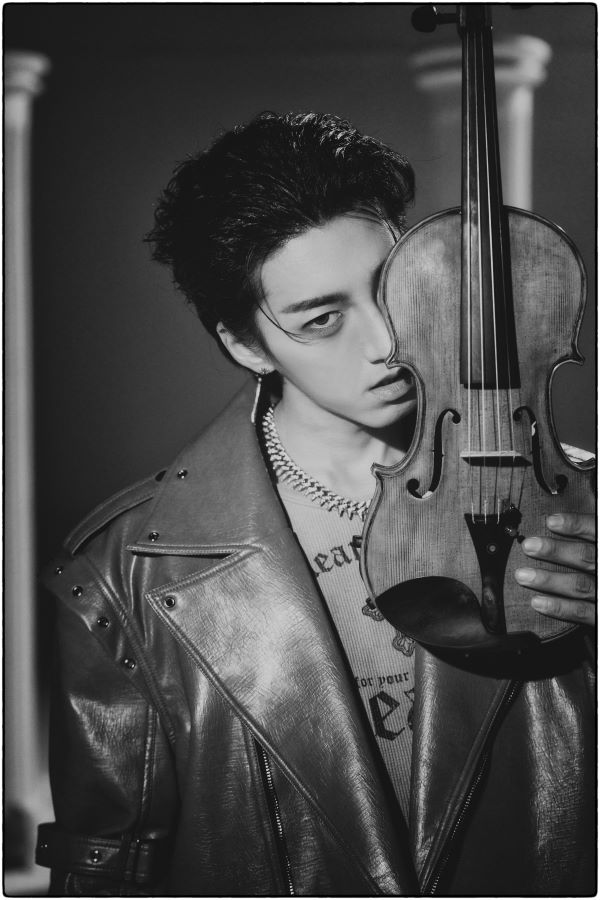
VOA: Running a company while building a music career sounds challenging. What does a typical day look like for you, and how do you balance both responsibilities?
ALL’N: It is definitely very challenging. Time has become my most valuable asset.
I try to keep a very strict structure, but there are a few things I do not compromise on. I make sure to train, practice, and continue producing music because those are the foundations of who I am as an artist. Around that, I also have to handle the company side, which can include operations, finance, legal matters, content, marketing, PR and communication with different teams and partners.
A typical day is usually spread across many different responsibilities. Some parts of the day are creative, such as music, performance practice, or content. Other parts are very operational, such as meetings, planning, reviewing budgets, handling documents, or making decisions for SKS Entertainment. To manage it, I try not to overwhelm myself by thinking about everything at once. I keep a daily checklist, break things into smaller pieces, and set clear goals for what needs to be finished by certain dates. Then I try to knock out as much as I can, one step at a time.
It is not always easy, but I think this is also part of being “all in.” If I want to build something meaningful as an artist and as a company, I have to be willing to carry both responsibilities.
VOA: Your debut single We Up immediately impressed me because of how naturally the violin is woven into the song. The track opens with a classical feel before moving into a modern K-pop sound, and then the violin returns later in the song. How did that arrangement come together?
ALL’N: Interestingly, the violin solo intro was actually one of the last things I added.
When I produce, I usually start with the chords first. From there, I begin building the track layer by layer, adding drums, kicks, snares and different textures until the energy starts to take shape. Sometimes I hum melodies over the beat, and sometimes I take out my violin and freestyle different ideas until I find something that feels right.
For We Up, I knew from the beginning that I wanted the song to feel like elevation. I wanted it to sound like we were rising, not just individually, but together. I had the beat playing on a loop, and eventually the phrase “We Up” naturally became the theme.
The violin came in as I started developing the identity of the song. I used to freestyle on violin a lot just for fun, so I approached it in a very instinctive way. I knew I wanted the violin in the drop and post-chorus, where the energy really opens up. From there, I added it to other parts where it could support the emotion and movement of the track.
We Up took a long time to finish because it was my first official solo track and I knew it would set the tone for my colour as an artist. Moving forward, some songs may have more violin, some may have less, and some may use the violin in completely different ways. Sometimes it may sound clean and classical, sometimes it may be processed with effects to feel harsher, more distorted, or more experimental. I think that flexibility will become part of the beauty of my artist identity.
VOA: Many artists with a classical background choose to leave that side of themselves behind when making pop music. Why was it important for you to make the violin such a visible part of your debut?
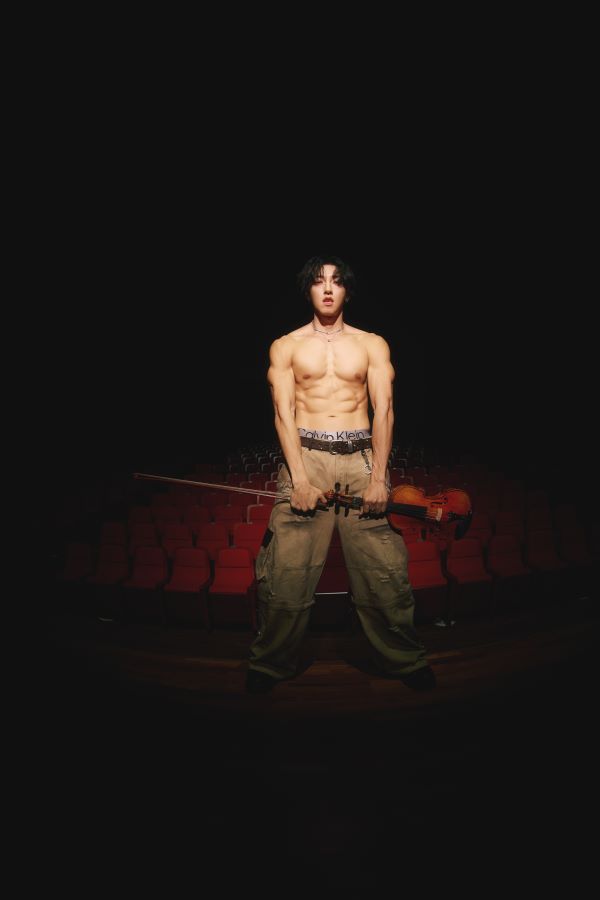
ALL’N: I think earlier in my life, I struggled a bit with the question of classical music versus pop music. There can be this feeling that if you want to become a pop artist, you need to leave the classical side behind. But over time, I realised that you should never throw away your roots. My roots are in classical music. The violin is a huge part of who I am, so to abandon that would almost feel like abandoning part of my identity. For me, it became very simple; I did not want to hide the violin. I wanted to bring it with me into this next chapter and find a way to make it exist naturally inside K-pop.
Luckily, it has also become something that helps people remember me more clearly, but more than that, it is honest about who I am.
VOA: We Up feels ambitious because it combines different influences without losing its identity. What was the main message or feeling you wanted listeners to take away from the song?
ALL’N: I did not want We Up to feel like I was simply saying, “I’m up.” The message was always “we are up.” For me, this debut is not just about my own rise; it is about bringing people with me. If I am going up, then the people who believed in me early, supported me, and connected with the message are going up with me, too.
That is also what my fanbase, N’CORE, represents to me. They are the people who felt the message of the song and decided to join me on this journey from the beginning. We Up is ambitious, but the heart of it is very simple: this is not a solo climb. It is something I want to build together with the people who believe in the vision.
The violin is a huge part of who I am, so to abandon that would almost feel like abandoning part of my identity. For me, it became very simple; I did not want to hide the violin. I wanted to bring it with me into this next chapter and find a way to make it exist naturally inside K-pop.
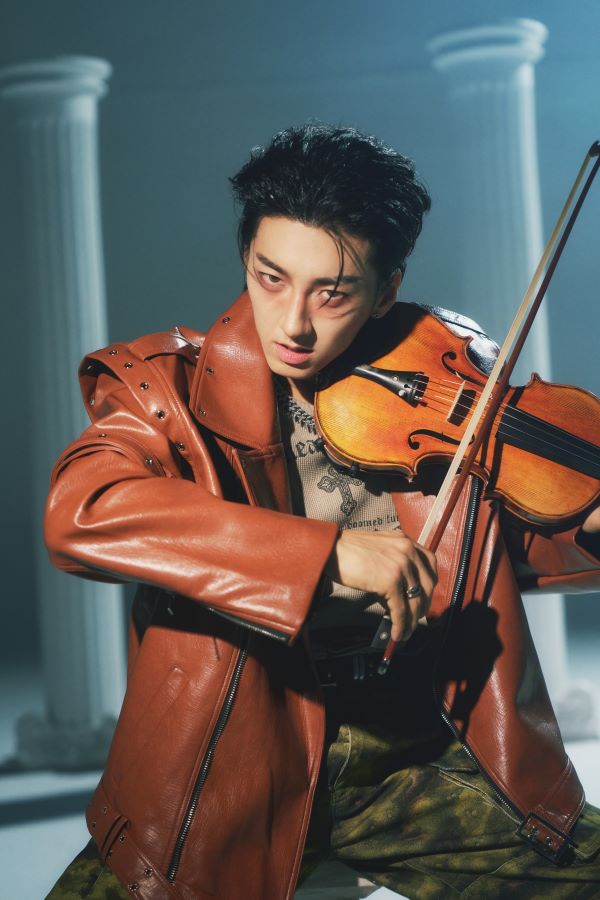
VOA: The music video is visually strong and feels carefully thought out. How involved were you in developing the concept, and what conversations did you have with the creative team during the process?
ALL’N: I was very involved in the creative direction. I had a clear idea of how I wanted to present myself visually, from the overall image to the styling, hair, makeup and performance energy.
At the same time, none of it would have been possible without the incredible K-pop team I was able to work with. My role was to set the vision and communicate the direction, but it took a full team to bring that vision to life. From the choreographer to the music video director, film crew, recording team, mixing and mastering engineer, stylist, hair and makeup team, and everyone involved, each person played an important role.
That is something I really respect about K-pop. Even when the artist has a strong vision, the final result is still a team effort. I had the ideas, but the team helped translate those ideas into something polished, cinematic and real.
VOA: As someone who writes, produces, performs and manages much of your own work, do you ever find it difficult to switch between the creative side and the business side?
ALL’N: It is extremely difficult, and honestly, that may be one of the hardest parts of what I do. Switching back and forth between the creative side and the business side daily takes a lot of energy.
When I am creating, I need to think emotionally and instinctively. I need to be open, imaginative, and connected to the music. But when I am running the company, I have to think structurally. I have to make decisions about budgets, timelines, contracts, operations, and long-term strategy. Those are very different mental states. But I also believe that people often place limits on themselves based on what is considered normal. The normal advice is usually to stay in your lane. For me, I have never really lived that way. If I make it normal to switch between these responsibilities, then that simply becomes my standard.
I also naturally gravitate toward challenges. When people say something is too difficult or impossible, it gives me more fuel. I know this path is not easy, but I think that is part of what makes it meaningful. I want to keep raising the limit of what I can do as an individual, as an artist and as a founder.
VOA: You have already revealed that new music is on the way, including Dream Higher. Without giving too much away, how does this next chapter compare to We Up?
ALL’N: I think We Up was a tone-setting song. It was my way of introducing several sides of myself at once: the violin, my vocals, rap, K-pop choreography and the way I can weave the violin into a modern K-pop track in a way that still feels impactful.
Dream Higher is more personal. It goes deeper into my journey and the kind of message I want to share as an artist.
Every artist has a different emotional lane. Some artists make romantic music, some make music that makes you feel powerful or rebellious and some artists help you process heartbreak. For me, I want my music to feel inspirational and motivational. I want people to feel like they can keep going, especially in a world where there are so many reasons to give up. That is what Dream Higher represents. It is not just the next song after We Up; it is the beginning of a bigger theme in my music: to create songs that can give people strength, belief and hope.
VOA: You have mentioned that your stage name, ALL’N, represents being “all in.” What does that idea mean to you personally at this stage of your career?
ALL’N: When people hear “all in,” they may think it simply means putting in a lot of time. But for me, it is much deeper than that. I have poured a major part of my life savings into building SKS Entertainment, funding the music and creating the projects around this debut. This was not something handed to me by my parents, and it was not something I received overnight. It came from years of grinding, working, saving and preparing for the moment where I could finally build this properly. I have also sacrificed a lot personally. I have not had much time to see friends casually or live a normal lifestyle because there are only so many hours in a day. At the same time, I know I cannot sacrifice sleep or health completely, because if I burn out, I cannot continue the mission.
To many people, this path may sound extreme, and honestly, I do not think it is a path everyone should take. But for the vision I have in my mind, I entered this knowing the level of sacrifice it would require. So ALL’N is not just a name; it is my identity, but it is also a reminder to myself. On difficult days, it reminds me that I chose this path fully. I put everything into this, and because of that, I have to keep going.
I want my music to feel inspirational and motivational. I want people to feel like they can keep going, especially in a world where there are so many reasons to give up.
VOA: You’ve met and spoken with artists such as Jay Park, and you’ve said you’d love to perform with Henry one day. Are there any lessons you’ve taken from artists who have successfully balanced musicianship and entrepreneurship?
ALL’N: I have a lot of respect for artists like Jay Park and Henry. They have both reached a level of influence where, when people talk about K-pop, hip-hop, musicianship, or performance in their respective lanes, their names naturally come up. What inspires me is not only their talent but also their longevity. They have been in this industry for a long time, and that is not easy. One thing I have noticed with artists is that mental fatigue is very real. The entertainment industry can be incredibly demanding, and staying strong mentally over many years is one of the hardest parts.
Of course, I am sure they have both gone through challenges behind the scenes, but from the outside, what I see is resilience. They continue to move forward, evolve, and overcome the challenges that come their way. For me, there is nothing but respect. I still see myself as someone at the beginning of this journey, so I try to learn from the people who paved the way earlier than me.
VOA: K-pop is becoming more global, but trends move fast. How do you think you will stay true to your own identity in such an industry?
ALL’N: I think I can stay true to my identity because that is one of the main reasons I chose to become both the artist and the CEO. Being independent through SKS Entertainment allows me to protect the vision and creative direction behind ALL’N. Of course, K-pop is a very competitive and capital-intensive industry, and as a company grows, there will always be business decisions that need to be made. But creatively, I know what I stand for.
I have been through too much in my life to sacrifice my identity just for fame, money, or short-term attention. Trends will always move fast, and I respect the importance of understanding the market, but I do not want to chase trends at the cost of losing who I am.
For me, the goal is to keep evolving while staying rooted. My background, my violin, my global experiences, my story, and my reason for doing this are things I want to carry with me no matter how much the industry changes.
VOA: You’re only at the beginning of your solo career, but what would you like people to understand about ALL’N that they might not realise from seeing the performances alone?
ALL’N: I think people who follow my social media can see that I try to be very transparent about what is going on in my head and heart. But what people may not always see is the full amount of work happening behind the scenes.
There is the artist side, of course: training, practicing, producing, recording, filming and preparing performances. But there is also the CEO side, which includes difficult negotiations, planning, budgeting, operations, team building, and constantly making decisions that affect the future of SKS Entertainment. It definitely takes a toll sometimes, but I am doing my best to stay strong and surround myself with the right reminders, the right people, and the right purpose.
What I hope people understand is that ALL’N is not just a performance identity. It represents the full journey: the sacrifices, the pressure, the ambition, the discipline and the belief that all of this hard work can eventually become something meaningful. I hope people will be able to feel more of that in my next projects, especially in Dream Higher.
VOA: Finally, if we were having this conversation again five years from now, what would you hope to have achieved both as an artist and as the founder of SKS Entertainment?
ALL’N: Five years from now, I hope SKS Entertainment is recognised as one of the meaningful entertainment labels in Korea. I hope it becomes a company known not only for music and performance, but for developing artists with real stories, unique identities and special talents within K-pop.
As an artist, I hope ALL’N has grown into something much bigger than where I am today. I want to keep releasing music that inspires people, performing on bigger stages and building a real connection with fans around the world.
As a founder, I hope I am able to create opportunities for other talented artists one day, not just for myself. Right now, I am the first artist under my own label because I want to prove the model first. But in the future, I would love for SKS Entertainment to become a home for artists who have something truly different to offer.
Most importantly, I hope I am healthy, the people I love are healthy, and my fans, N’CORE, are still cheering me on and excited for what comes next. If I still have that, then I think I will be very grateful.
Written and interviewed by Maggie Gogler
Featured image © SKS Entertainment
View of the Arts is an online publication dedicated to film, music, and the arts, with a strong focus on the Asian entertainment industry. As we continue to grow, we aim to deepen our coverage of Asian music while remaining committed to exploring and celebrating creativity across the global arts landscape.


What a great interview. Really good questions and Sam is truly going to be an inspiration to many. His outlook and talent are incredible and this guy will go far. N’CORE are behind him with every step